


 設置イメージを確認
 送る
送る シェア
シェア
 詳細情報
詳細情報 ガイドを表示

 画像をダウンロード
 似ている作品
 X線調査
X線調査 スライドショー
 統計情報
統計情報Spring Landscape


 続きを読む
続きを読む
手描き油彩複製画
当社のアーティストが、お客様のご希望のサイズと額縁に合わせて、キャンバスに手描きで制作する油彩画です。 ( プリント版に切り替え デジタル画像販売へ切り替え)




P118B ¥10

P118H ¥10

P118W ¥10

P438Z ¥10

P508JH ¥12

P508YH ¥12

P805H ¥10

P805Z ¥10

P919BZ ¥10

P919G ¥10

P919XJ ¥10

P959ZH ¥10

P968JZ ¥12

W106C ¥8

W218G ¥10

W218JH ¥8

W218Y ¥10

W307PJ ¥10

W316G ¥10

W316PJ ¥8

W316Y ¥10

W398PJ ¥8

W4111J ¥10

W500HY ¥15

W500JH ¥15

W692G ¥12

W849H ¥8

W940BG ¥15

W953PJ ¥8




作品のオリジナル比率に合わせた、当店の規定サイズからお選びください。

フレームや壁のスペースに合わせて、ご希望の幅と高さを入力してください。本作品は手描きのため、異なる比率のサイズをご希望の場合、絵画の周囲を少し広げて描くか、あるいは端を少しカットして調整することが可能です。お客様のご要望に合わせます。制作を開始する前に、仕上がりを確認するためのデジタルモックアップをお送りいたします。このページに表示されている画像は完成品の実物ではなく、あくまでモックアップによるイメージです。
ご注文後、AllPaintingsStore.com チームより詳細な指示をお送りするとともに、仕上がりイメージ(モックアップ)をご提供いたします。


 ガラスオプションは、110cm未満のサイズでのみご利用いただけます。

Spring Landscape
再現技法
複製画サイズ一覧
-


合計金額
¥ 40578
A Symphony in Light: Unveiling Claude Monet’s “Spring Landscape”
Claude Monet's "Spring Landscape," painted in 1894, isn’t merely a depiction of a field; it’s an immersive experience—a fleeting moment captured and eternally preserved on canvas. This oil-on-canvas masterpiece, now available for exquisite reproduction through AllPaintingsStore.com, embodies the very essence of Monet's revolutionary approach to painting: to record not just what he *saw*, but what he *felt* about a scene, particularly the ephemeral qualities of light and atmosphere. The painting immediately draws the viewer into a serene world, dominated by the gentle curves of rolling fields and punctuated by the vibrant bursts of yellow wildflowers – a visual declaration of spring’s arrival. Three prominent trees stand as silent sentinels in the foreground, their branches reaching upwards towards a hazy sky, while a second tree recedes into the distance, creating an illusion of depth that is characteristic of Monet's masterful use of perspective. It’s a scene brimming with tranquility, yet subtly charged with the energy of renewal.The Impressionist Palette: Light as the Primary Subject
Monet’s genius lay in his dedication to capturing the transient effects of light and color—a philosophy that firmly established him as a founder of Impressionism. “Spring Landscape” is a testament to this principle. He abandons traditional techniques of precise detail and dark shadows, instead employing loose, broken brushstrokes – short, vibrant dabs of paint applied directly to the canvas. This technique isn’t haphazard; it's meticulously calculated to mimic the way light refracts through the air, creating shimmering highlights and subtle gradations of color. Notice how the sunlight seems to dance across the field, illuminating individual blades of grass and casting delicate shadows beneath the trees. The colors themselves are not blended smoothly but juxtaposed—yellows next to greens, blues against browns—allowing the viewer’s eye to mix them optically, creating a richer, more dynamic visual experience. This deliberate avoidance of blending is what gives the painting its remarkable sense of movement and vitality.Historical Context: A Revolution in Seeing
To fully appreciate “Spring Landscape,” it's crucial to understand the artistic landscape of the late 19th century. Monet’s work emerged during a period of profound change in Western art, challenging the established conventions of academic painting. The Renaissance emphasis on linear perspective and realistic representation was being questioned by artists who sought to capture the subjective experience of perception. Claude Monet, along with fellow Impressionists like Renoir and Pissarro, rejected the studio-bound approach favored by their predecessors, instead embracing *plein air* painting – working outdoors directly from nature. This shift in methodology reflected a broader cultural movement—a growing interest in science, psychology, and the natural world. The historical context of this period is vital to understanding Monet’s radical departure from traditional artistic norms.Symbolism and Emotional Resonance: A Celebration of Nature
Beyond its technical brilliance, “Spring Landscape” resonates with a profound sense of emotional depth. The vibrant yellow flowers are not simply decorative elements; they symbolize the rebirth and renewal associated with springtime—a potent metaphor for hope, growth, and new beginnings. The trees themselves can be interpreted as symbols of strength and resilience, anchoring the scene while simultaneously allowing the eye to wander into the distance. Monet’s choice of subject matter – a simple landscape teeming with life – speaks to his deep appreciation for the beauty of the natural world. The painting evokes feelings of peace, serenity, and a quiet connection to something larger than oneself. It's an invitation to pause, breathe deeply, and simply *be* present in the moment—a sentiment that continues to resonate powerfully with viewers today.For a truly immersive experience, explore high-quality reproductions of “Spring Landscape” at AllPaintingsStore.com and discover how this iconic work can transform your space.
よくあるご質問
クロード・モネ作「Spring Landscape」のスライドショーはありますか?
「Spring Landscape」のスライドショーは、作品のスライドショーページでご覧いただけます。
クロード・モネ作「Spring Landscape」に関する統計情報はどこで確認できますか?
「Spring Landscape」には、専用の統計情報ページがあります。このページでは、その作品およびアーティストの他の作品の月間訪問者数を、国別・言語別の内訳とともにグラフで表示しています。
その色彩から、クロード・モネ作「Spring Landscape」 はどの部屋に飾るのがおすすめですか?
ニュートラルカラーの色彩を纏ったクロード・モネ作「Spring Landscape」は、リビングルームに飾るのがおすすめです。その色使いこそが、この提案の理由のひとつです。
関連作品


アーティストについて
光に浸された生涯:クロード・モネの世界
印象派という言葉と同義語とも言えるオスカー=クロード・モネ。彼は単なる風景画家ではありませんでした。一瞬のきらめきを記録する年代記作家であり、光と色彩の詩人だったのです。1840年11月14日、パリに生まれた彼の人生は、5歳の時に家族がノルマンディー地方のル・アーヴルへ移り住んだことで、予想外の転換期を迎えます。当初、父親によって商業的なキャリアを歩むことが予定されていましたが、若きモネの内なる芸術的才能はすぐに開向し、まずは地元の市場で売られる炭の風刺画として現れました。これは彼の技術と起業家精神の両方を証明するものでした。しかし、彼の運命を決定づけたのは、エウジェーヌ・ブーダンとの出会いでした。ブーダンはモネに絵を描く技法だけでなく、自然の中で直接描くen plein air(外光派)という革命的な概念を植え付けました。この実践こそが、彼の芸術的探求のすべてを定義づけることになったのです。
モネの正式な訓練はパリで始まり、アカデミー・スイス、そして後にシャルル・グレールの指導のもとで行われました。ここで彼はオーギュスト・ルノワールといった同時代の芸術家たちと固い友情を築きました。その絆は、共通の芸術的苦悩と、伝統的なアカデミー絵画の制約から解放されたいという切実な願いによって結ばれたものでした。初期の作品は技術的な熟練さを示してはいたものの、後に彼のスタイルを特徴づけることになる独特の「声」にはまだ欠けていました。その後、普仏戦争という激動の時代が訪れます。モネはロンドンへと避難を余儀なくされましたが、そこでJ.M.W.ターナーをはじめとするイギリスの風景画の巨匠たちの作品に没頭することになります。彼は彼らの描く大気の効果や、革新的な色彩の使用法を深く吸収していったのです。
美学革命の誕生
フランスに戻ったモネは、沸き起こりつつあった芸術的反乱の中心人物となりました。保守的なサロンの基準に不満を抱いていた彼は、志を同じくする芸術家たちと協力し、独立展覧会を開催します。1874年の展覧会は、モネ個人にとっても、美術界全体にとっても決定的な転換点となりました。この際、ル・アーヴルの港の夜明けを霞んだ描写で捉えた「印象、日の出」が展示されました。この作品から、当初は蔑称として「印象派」という名称が生まれました。しかし、その名は定着し、対象を正確に再現することよりも、その場における主観的な「印象」を捉えようとする運動の誇り高い称号へと進化していったのです。
モネのシグネチャー・スタイルはこの時期に花開きました。大胆で目に見える筆致、隣接して配置された鮮やかで、しばしば混ざり合わない色彩(「筆触分割」として知られる技法)、そして移ろいゆく光の儚い性質を捉えようとする揺るぎない集中力。彼はplein airの実践を執拗なまでに追求し、刻々と変化する自然の条件によって情景が変わってしまう前に、自身の即時的な知覚を記録しようと素早く筆を動かしました。この献身は、単に「見たもの」を描写することだけが目的ではなく、それに対して自分が「どう感じたか」を表現するためのものでした。これは芸術的慣習からの、極めて急進的な脱却だったのです。
ジヴェルニー:光と反射の楽園
1883年、モネはパリの北西に位置するジヴェルニーに定住しました。そこで築かれた家と庭は、彼の聖域であると同時に、最大のインスピレーションの源となりました。彼はその敷地を、エキゾチックな花々やシダ、そして最も有名な、日本橋が架かる睡蓮の池を備えた精緻な楽園へと作り変えました。これは単なる装飾的な庭園ではありませんでした。水面、木の葉、そして反射に光がもたらす影響を、制御された条件下で研究するための「生きた実験室」だったのです。
人生の最後の数十年は、ほぼすべてがジヴェルニーの睡蓮の池を描くことに捧げられました。彼は記念碑的な「睡蓮」シリーズに着手し、池の表面を絶え間なく変化する色彩と光のタペストリーとして描き出した巨大なキャンバスを生み出しました。これらは単なる花の絵ではありませんでした。鑑賞者を静謐な美しさと瞑想的な静寂の世界へと包み込むための、没入型の体験だったのです。これらの作品のスケールは息をのむほどであり、伝統的な絵画の境界を押し広げ、後の抽象表現主義を予感させるものでした。
遺産:美術史への永続的な影響
クロード・モネが美術史に与えた影響は計り知れません。彼は単なる印象派の創始者にとどまらず、芸術家たちが周囲の世界をどのように認識し、表現するかというあり方を根本から変えてしまいました。主観的な経験への重視、plein air(外光派)技法の受容、そして革新的な手法は、抽象や非具象的な形態を探求する近代美術への道を切り拓いたのです。
モネは存命中にかなりの商業的成功を収めました。これは当時の前衛芸術家としては極めて稀なことでした。彼の作品は今なお世界中の人々を魅了し、畏敬の念を抱かせ続けており、西洋美術における最も重要な人物の一人としての地位を揺るぎないものにしています。1926年12月5日に世を去った彼が残した遺産は、世代を超えて芸術家や愛好家たちの心に響き続けています。彼の傑作の重要なコレクションは、パリのオルセー美術館やマルモッタン・モネ美術館といった権威ある機関に収蔵されており、そのヴィジョンは今もなお世界を照らし続けています。
主要な芸術技法
- 外光派(Plein Air)の技法:彼の発展の中核であり、光と大気を直接観察することを可能にしました。 <
- 筆触分割(Broken Color):純粋な色彩の小さな筆跡を隣り合わせに置くことで、視覚的な混色を生み出す技法です。
- 連作(Series Painting):同じ主題を異なる光や天候の下で描くこと。時間と光がもたらす変容の力を証明しました。
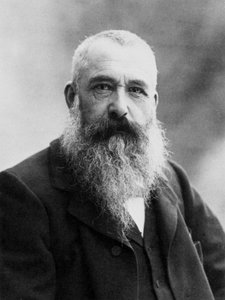
クロード・モネ
1840 - 1926 , フランス
アーティスト情報
- フルネーム: クロード・モネ
- 主な作品:
- 印象、日の出
- 睡蓮
- 干し草
- ルーアン大聖堂
- 出生地: パリ、フランス
- 国籍: フランス人
- 影響を与えたアーティストまたは運動: ['近代美術']
- 影響を受けたアーティスト:
- ユージェン・ブーダン
- J.M.W.ターナー
- 死亡年月日: 1926年12月5日
- 生年月日: 1840年11月14日
- 芸術運動またはスタイル: 印象派
関連記事

Monet's Serial Vision: How Light and Time Revolutionized Modern Art
Explore the revolutionary impact of Claude Monet's serial vision. Discover how his mastery of light, color, and time transformed Impressionism from a rebellion against tradition into the foundation of modern art history.


