

1894. 油彩 キャンバス.

§ 1Catalogue data


§ 2Abstract
コレクション詳細
Experience Claude Monet's 'Spring Landscape' (1894)! A vibrant Impressionist masterpiece capturing springtime’s beauty with light, color & nature’s tranquility. Explore its artistic significance and historical context.
 続きを読む
続きを読む
アーティストプロフィール
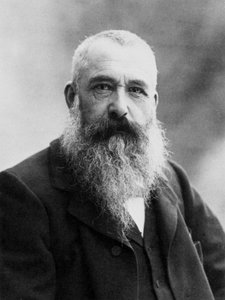
印象派の巨匠クロード・モネの世界を探索しましょう。「睡蓮」や「積みわら」といった象徴的な風景画を通じて、移ろいゆく光と色彩を見事に捉えた彼の作品は、今なお人々を魅了し続けています。
§ 3Commentary
A Symphony in Light: Unveiling Claude Monet’s “Spring Landscape”
Claude Monet's "Spring Landscape," painted in 1894, isn’t merely a depiction of a field; it’s an immersive experience—a fleeting moment captured and eternally preserved on canvas. This oil-on-canvas masterpiece, now available for exquisite reproduction through AllPaintingsStore.com, embodies the very essence of Monet's revolutionary approach to painting: to record not just what he *saw*, but what he *felt* about a scene, particularly the ephemeral qualities of light and atmosphere. The painting immediately draws the viewer into a serene world, dominated by the gentle curves of rolling fields and punctuated by the vibrant bursts of yellow wildflowers – a visual declaration of spring’s arrival. Three prominent trees stand as silent sentinels in the foreground, their branches reaching upwards towards a hazy sky, while a second tree recedes into the distance, creating an illusion of depth that is characteristic of Monet's masterful use of perspective. It’s a scene brimming with tranquility, yet subtly charged with the energy of renewal.The Impressionist Palette: Light as the Primary Subject
Monet’s genius lay in his dedication to capturing the transient effects of light and color—a philosophy that firmly established him as a founder of Impressionism. “Spring Landscape” is a testament to this principle. He abandons traditional techniques of precise detail and dark shadows, instead employing loose, broken brushstrokes – short, vibrant dabs of paint applied directly to the canvas. This technique isn’t haphazard; it's meticulously calculated to mimic the way light refracts through the air, creating shimmering highlights and subtle gradations of color. Notice how the sunlight seems to dance across the field, illuminating individual blades of grass and casting delicate shadows beneath the trees. The colors themselves are not blended smoothly but juxtaposed—yellows next to greens, blues against browns—allowing the viewer’s eye to mix them optically, creating a richer, more dynamic visual experience. This deliberate avoidance of blending is what gives the painting its remarkable sense of movement and vitality.Historical Context: A Revolution in Seeing
To fully appreciate “Spring Landscape,” it's crucial to understand the artistic landscape of the late 19th century. Monet’s work emerged during a period of profound change in Western art, challenging the established conventions of academic painting. The Renaissance emphasis on linear perspective and realistic representation was being questioned by artists who sought to capture the subjective experience of perception. Claude Monet, along with fellow Impressionists like Renoir and Pissarro, rejected the studio-bound approach favored by their predecessors, instead embracing *plein air* painting – working outdoors directly from nature. This shift in methodology reflected a broader cultural movement—a growing interest in science, psychology, and the natural world. The historical context of this period is vital to understanding Monet’s radical departure from traditional artistic norms.Symbolism and Emotional Resonance: A Celebration of Nature
Beyond its technical brilliance, “Spring Landscape” resonates with a profound sense of emotional depth. The vibrant yellow flowers are not simply decorative elements; they symbolize the rebirth and renewal associated with springtime—a potent metaphor for hope, growth, and new beginnings. The trees themselves can be interpreted as symbols of strength and resilience, anchoring the scene while simultaneously allowing the eye to wander into the distance. Monet’s choice of subject matter – a simple landscape teeming with life – speaks to his deep appreciation for the beauty of the natural world. The painting evokes feelings of peace, serenity, and a quiet connection to something larger than oneself. It's an invitation to pause, breathe deeply, and simply *be* present in the moment—a sentiment that continues to resonate powerfully with viewers today.For a truly immersive experience, explore high-quality reproductions of “Spring Landscape” at AllPaintingsStore.com and discover how this iconic work can transform your space.
よくあるご質問
「Spring Landscape」の色味は、鮮やかですか、それとも落ち着いていますか?
クロード・モネ作「Spring Landscape」の色調は、程よく柔らかな彩度の彩度と鮮やかの強さを備えています。
「Spring Landscape」に著作権はかかっていますか?
クロード・モネ作「Spring Landscape」 の著作権について:本作品はパブリックドメイン(著作権消滅)です。これにより、画像の複製が自由に行えるかどうかが決まります。
クロード・モネ作「Spring Landscape」の制作時期と様式は何ですか?
「Spring Landscape」は、Impressionismの作品として1894年に制作されました。制作年と様式は、美術史におけるこの作品の位置付けを明確にするものです。


 プリント版に切り替え


 いずれかの辺が105 cm(約41インチ)を超えるアートワークまたは複製画の場合、フレームは分解されたキットの状態でお届けいたします。この方法は、輸送中の破損を防ぎ、安全に配送するために採用しております。


