

The Dinner
Oil On Canvas.

§ 1Catalogue data


§ 2Abstract
 続きを読む
続きを読む
アーティストプロフィール
印象派の巨匠クロード・モネの世界を探索しましょう。「睡蓮」や「積みわら」といった象徴的な風景画を通じて、移ろいゆく光と色彩を見事に捉えた彼の作品は、今なお人々を魅了し続けています。
§ 3Commentary
The Dinner
Claude Monet’s “The Dinner,” painted in 1868-69, stands as a cornerstone of Impressionist art and embodies the movement's fascination with capturing fleeting moments of everyday life bathed in natural light. More than just a depiction of a domestic scene, it’s an exploration of atmosphere and emotion—a testament to Monet’s groundbreaking approach to painting and his enduring influence on subsequent generations of artists. This masterpiece resides within the Stiftung Sammlung E. G. Bührle collection in Zurich, offering visitors a chance to experience firsthand the brilliance of Impressionism.Background and Context
Monet embarked upon this ambitious project during a winter sojourn with Camille Doncieux and their newborn son in Étretat, Normandy—a location that would become synonymous with his artistic vision. Following the success of “The Magpie,” which similarly captured the serene beauty of winter landscapes, Monet sought to delve deeper into the psychological nuances of interior spaces illuminated by candlelight and firelight. The painting emerged from a period marked by significant artistic experimentation and a desire to move beyond traditional academic conventions—a pivotal moment in establishing Impressionism as a dominant force within the art world. Its creation coincided with the burgeoning interest in plein air painting, championed by artists like Eugène Boudin who instilled in Monet the conviction that true beauty resided in observing nature directly.Description and Composition
“The Dinner” presents a tableau of quiet intimacy—two women seated at a table alongside a man standing near the fireplace mantle. The subdued lighting is paramount to the artwork’s impact, skillfully diffused lamplight mingling with the warm glow emanating from the hearth. Monet meticulously rendered textures and tonal variations, utilizing loose brushstrokes that convey movement and immediacy—a hallmark of Impressionist technique. Notice how he captures the subtle reflections on surfaces like polished wood and glassware, demonstrating an acute awareness of optical phenomena. The figures themselves are presented in soft focus, contributing to the overall sense of serenity and conveying a feeling of contemplative repose.Style and Technique: Impressionism at Its Finest
Monet’s stylistic innovations were revolutionary for his time. He rejected the meticulous detail favored by academic painters, prioritizing instead the subjective perception of light and color—a core principle of Impressionism. The broken brushstrokes characteristic of “The Dinner” aren't merely decorative; they serve to fragment visual information, allowing Monet to convey not just what he sees but how it feels. This technique captures the ephemeral quality of light as it shifts throughout the evening, imbuing the painting with a palpable sense of atmosphere. Furthermore, Monet’s masterful use of color—particularly warm hues against cooler tones—creates a harmonious balance that enhances the emotional resonance of the scene. The meticulous layering of paint contributes to the depth and luminosity of the artwork, solidifying its place as an exemplar of Impressionist artistry.Symbolism and Emotional Impact
Beyond its formal qualities, “The Dinner” resonates with deeper symbolic meanings. It speaks to themes of domestic tranquility, familial connection, and the beauty found in simple moments—values that were central to Monet’s worldview. The fireplace symbolizes warmth, comfort, and companionship, reflecting the bonds between the figures depicted. The candlelight casts a gentle glow upon their faces, illuminating expressions of quiet contemplation and conveying an aura of peaceful contentment. Ultimately, “The Dinner” invites viewers to pause and appreciate the subtle grandeur of everyday life—a timeless reminder of Monet’s ability to transform ordinary subjects into extraordinary works of art.よくあるご質問
The Dinnerは、クロード・モネのキャリアにおけるどの時期の作品にあたりますか?
「The Dinner」は、クロード・モネのMature Periodを象徴する作品です。
「The Dinner」にはどのような雰囲気がありますか?
クロード・モネ作「The Dinner」の全体的なムードはElegantです。このムードは、作品が持つ全体的な雰囲気。
クロード・モネ作「The Dinner」 の複製画は、どこに飾るのが最適でしょうか?
クロード・モネ作「The Dinner」のLandscape形式は、Dining Roomに飾る際におすすめです。作品の形式と空間の調和が、複製画を配置する際の指針となります。
§ 4The artist
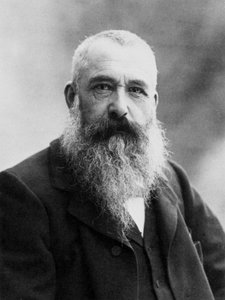
クロード・モネ
1840 - 1926, フランス
アーティスト情報
- フルネーム: クロード・モネ
- 主な作品:
- 印象、日の出
- 睡蓮
- 干し草
- ルーアン大聖堂
- 出生地: パリ、フランス
- 国籍: フランス人
- 影響を与えたアーティストまたは運動: ['近代美術']
- 影響を受けたアーティスト:
- ユージェン・ブーダン
- J.M.W.ターナー
- 死亡年月日: 1926年12月5日
- 生年月日: 1840年11月14日
- 芸術運動またはスタイル: 印象派
アーティストについて
光に浸された生涯:クロード・モネの世界
印象派という言葉と同義語とも言えるオスカー=クロード・モネ。彼は単なる風景画家ではありませんでした。一瞬のきらめきを記録する年代記作家であり、光と色彩の詩人だったのです。1840年11月14日、パリに生まれた彼の人生は、5歳の時に家族がノルマンディー地方のル・アーヴルへ移り住んだことで、予想外の転換期を迎えます。当初、父親によって商業的なキャリアを歩むことが予定されていましたが、若きモネの内なる芸術的才能はすぐに開向し、まずは地元の市場で売られる炭の風刺画として現れました。これは彼の技術と起業家精神の両方を証明するものでした。しかし、彼の運命を決定づけたのは、エウジェーヌ・ブーダンとの出会いでした。ブーダンはモネに絵を描く技法だけでなく、自然の中で直接描くen plein air(外光派)という革命的な概念を植え付けました。この実践こそが、彼の芸術的探求のすべてを定義づけることになったのです。
モネの正式な訓練はパリで始まり、アカデミー・スイス、そして後にシャルル・グレールの指導のもとで行われました。ここで彼はオーギュスト・ルノワールといった同時代の芸術家たちと固い友情を築きました。その絆は、共通の芸術的苦悩と、伝統的なアカデミー絵画の制約から解放されたいという切実な願いによって結ばれたものでした。初期の作品は技術的な熟練さを示してはいたものの、後に彼のスタイルを特徴づけることになる独特の「声」にはまだ欠けていました。その後、普仏戦争という激動の時代が訪れます。モネはロンドンへと避難を余儀なくされましたが、そこでJ.M.W.ターナーをはじめとするイギリスの風景画の巨匠たちの作品に没頭することになります。彼は彼らの描く大気の効果や、革新的な色彩の使用法を深く吸収していったのです。
美学革命の誕生
フランスに戻ったモネは、沸き起こりつつあった芸術的反乱の中心人物となりました。保守的なサロンの基準に不満を抱いていた彼は、志を同じくする芸術家たちと協力し、独立展覧会を開催します。1874年の展覧会は、モネ個人にとっても、美術界全体にとっても決定的な転換点となりました。この際、ル・アーヴルの港の夜明けを霞んだ描写で捉えた「印象、日の出」が展示されました。この作品から、当初は蔑称として「印象派」という名称が生まれました。しかし、その名は定着し、対象を正確に再現することよりも、その場における主観的な「印象」を捉えようとする運動の誇り高い称号へと進化していったのです。
モネのシグネチャー・スタイルはこの時期に花開きました。大胆で目に見える筆致、隣接して配置された鮮やかで、しばしば混ざり合わない色彩(「筆触分割」として知られる技法)、そして移ろいゆく光の儚い性質を捉えようとする揺るぎない集中力。彼はplein airの実践を執拗なまでに追求し、刻々と変化する自然の条件によって情景が変わってしまう前に、自身の即時的な知覚を記録しようと素早く筆を動かしました。この献身は、単に「見たもの」を描写することだけが目的ではなく、それに対して自分が「どう感じたか」を表現するためのものでした。これは芸術的慣習からの、極めて急進的な脱却だったのです。
ジヴェルニー:光と反射の楽園
1883年、モネはパリの北西に位置するジヴェルニーに定住しました。そこで築かれた家と庭は、彼の聖域であると同時に、最大のインスピレーションの源となりました。彼はその敷地を、エキゾチックな花々やシダ、そして最も有名な、日本橋が架かる睡蓮の池を備えた精緻な楽園へと作り変えました。これは単なる装飾的な庭園ではありませんでした。水面、木の葉、そして反射に光がもたらす影響を、制御された条件下で研究するための「生きた実験室」だったのです。
人生の最後の数十年は、ほぼすべてがジヴェルニーの睡蓮の池を描くことに捧げられました。彼は記念碑的な「睡蓮」シリーズに着手し、池の表面を絶え間なく変化する色彩と光のタペストリーとして描き出した巨大なキャンバスを生み出しました。これらは単なる花の絵ではありませんでした。鑑賞者を静謐な美しさと瞑想的な静寂の世界へと包み込むための、没入型の体験だったのです。これらの作品のスケールは息をのむほどであり、伝統的な絵画の境界を押し広げ、後の抽象表現主義を予感させるものでした。
遺産:美術史への永続的な影響
クロード・モネが美術史に与えた影響は計り知れません。彼は単なる印象派の創始者にとどまらず、芸術家たちが周囲の世界をどのように認識し、表現するかというあり方を根本から変えてしまいました。主観的な経験への重視、plein air(外光派)技法の受容、そして革新的な手法は、抽象や非具象的な形態を探求する近代美術への道を切り拓いたのです。
モネは存命中にかなりの商業的成功を収めました。これは当時の前衛芸術家としては極めて稀なことでした。彼の作品は今なお世界中の人々を魅了し、畏敬の念を抱かせ続けており、西洋美術における最も重要な人物の一人としての地位を揺るぎないものにしています。1926年12月5日に世を去った彼が残した遺産は、世代を超えて芸術家や愛好家たちの心に響き続けています。彼の傑作の重要なコレクションは、パリのオルセー美術館やマルモッタン・モネ美術館といった権威ある機関に収蔵されており、そのヴィジョンは今もなお世界を照らし続けています。
主要な芸術技法
- 外光派(Plein Air)の技法:彼の発展の中核であり、光と大気を直接観察することを可能にしました。 <
- 筆触分割(Broken Color):純粋な色彩の小さな筆跡を隣り合わせに置くことで、視覚的な混色を生み出す技法です。
- 連作(Series Painting):同じ主題を異なる光や天候の下で描くこと。時間と光がもたらす変容の力を証明しました。
§ 5Comparanda
関連作品


§ 6Questions
§ 7Further reading
関連記事

Monet's Serial Vision: How Light and Time Revolutionized Modern Art
Explore the revolutionary impact of Claude Monet's serial vision. Discover how his mastery of light, color, and time transformed Impressionism from a rebellion against tradition into the foundation of modern art history.
Cite this entry
AllPaintingsStore.com, “クロード・モネ, The Dinner”, https://allpaintingsstore.com/ja/art/claude-monet-the-dinner-5ZKBY2-en/ (accessed 1 10月 2026).
§ 8The reproduction
手描き油彩複製画
当社のアーティストが、お客様のご希望のサイズと額縁に合わせて、キャンバスに手描きで制作する油彩画です。 ( プリント版に切り替え デジタル画像販売へ切り替え)
It is specified on the order sheet in the margin; the present state of that sheet reads as follows.

The Dinner
再現技法
複製画サイズ一覧
-

厳選された熟練アーティスト
より細部までこだわった表現、洗練された技術、そして十分な制作時間
-

複製画用額装
-
-
いずれかの辺が105 cm(約41インチ)を超えるアートワークまたは複製画の場合、フレームは分解されたキットの状態でお届けいたします。この方法は、輸送中の破損を防ぎ、安全に配送するために採用しております。
組み立てには専門知識が必要です(DIY用製品ではありません)。
本キットは、経験豊富なプロの額装師が、木工用ボンド(別売)、キャンバス用プライヤー、およびボンドの乾燥時に桟を直角に保持するためのクランプを使用して、組み立ておよびキャンバスの張り作業を行う必要があります。不適切な組み立てやキャンバスの張りの不均一は、作品に永久的な損傷を与える恐れがあり、弊社の保証対象外となります。
 いずれかの辺が105 cm(約41インチ)を超えるアートワークまたは複製画の場合、フレームは分解されたキットの状態でお届けいたします。この方法は、輸送中の破損を防ぎ、安全に配送するために採用しております。
すべての無垢材のパーツが含まれており、組み立てに最適なサイズに正確にカットされています。
付属のネジを使用し、角の接合部には別途木工用ボンドをご用意ください(ボンドは付属しておりません)。ボンドは額装業者様にてご手配をお願いいたします。
プロ仕様の道具が必要ですが、キットには含まれていません:キャンバス用ストレッチングプライヤー(テンショナー)、および接着剤が乾燥するまで木枠を直角に固定するためのクランプ。
重要:
コーナーの接合部には木工用ボンドが必要です。また、ボンドが完全に乾くまでクランプでバーを固定しておく必要があり、組み立てたフレームにキャンバスを張るにはキャンバス用ストレッチングプライヤーが必要となります。これらの道具はキットに含まれておりません。このサイズをご注文される前に、経験豊富なプロの額装師(フライマー)の手配をお願いいたします。

銘板
-
-

保護用ワニス
光沢ワニス(色彩を鮮やかに引き立て、光や湿気から保護します)
-

作品をカスタマイズ
カスタマイズの例:顔をお客様の写真に差し替える、ペットを追加する(例:猫を犬に変更)、背景に隠しメッセージを入れる、背景の風景や要素を変更する。
-

お急ぎ便
世界中への配送()は、通常の5週間ではなく、3〜4週間でお届けいたします。(29 10月)。品質には一切の妥協を許しません。
-
お急ぎ便
世界中への配送()は、5週間ほどでお届けします。(5 11月)。
送料込
合計金額
¥ 40605
Included with every order
- 世界中へ無料エクスプレス配送
- 高品質なリネンキャンバス
- 配送時完全保険付
- 関税・輸入税の払い戻し保証
- 忠実な色彩再現の保証
- 100日間返品保証(製造上の欠陥がある場合のみ)
- 100% 全額返金保証
- まとめ買い割引のご案内


