

1903. キャンバスにアクリル絵具.

§ 1Catalogue data


§ 2Abstract
コレクション詳細
Admire Claude Monet’s ‘Waterloo Bridge,’ a serene Impressionist painting capturing London's atmosphere with bold brushstrokes and luminous sunlight. Explore light & color – a masterpiece of Impressionism.
 続きを読む
続きを読む
アーティストプロフィール
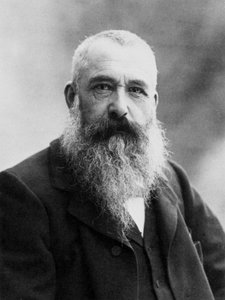
印象派の巨匠クロード・モネの世界を探索しましょう。「睡蓮」や「積みわら」といった象徴的な風景画を通じて、移ろいゆく光と色彩を見事に捉えた彼の作品は、今なお人々を魅了し続けています。
§ 3Commentary
Waterloo Bridge, Sunlight Effect: A Symphony of Light and Impression
Claude Monet’s “Waterloo Bridge,” painted in 1903, isn't merely a depiction of London; it’s an embodiment of the Impressionist ethos—a fervent pursuit of capturing the ephemeral beauty of nature through vibrant color and loose brushstrokes. This iconic artwork stands as testament to Monet’s revolutionary approach to painting, forever altering the course of art history.
The Essence of Impressionism
Monet's unwavering dedication to *plein air* painting—working outdoors directly from observation—was groundbreaking for its time. Unlike academic painters who meticulously rendered details with precise pigments, Monet prioritized conveying atmosphere and emotion above all else. He achieved this remarkable feat by applying paint in thick, visible strokes that blended optically as the viewer’s eye moved across the canvas. This technique brilliantly captures the fleeting effects of sunlight filtering through clouds over Waterloo Bridge.
A Window into London's Soul
The bridge itself serves as a focal point, rendered with understated elegance against a backdrop of hazy pink skies. Monet skillfully utilizes color—particularly shades of rose and lavender—to evoke a sense of tranquility and serenity. Scattered boats punctuate the scene, adding depth and dynamism without distracting from the overarching mood. Notice how Monet’s brushstrokes dance across the canvas, mirroring the movement of water and air.
Monet's Inspiration: Boudin and Beyond
Monet’s artistic journey began with Eugène Boudin, who instilled in him the transformative belief that art should mirror the natural world. Boudin encouraged Monet to abandon studio conventions and embrace the immediacy of outdoor painting—a practice that would become synonymous with Impressionism. This formative influence profoundly shaped Monet's artistic vision and fueled his lifelong fascination with capturing light’s transformative power.
Symbolic Resonance: Light as Emotion
"Waterloo Bridge," like many of Monet’s landscapes, transcends mere visual representation; it speaks to the human condition. The bridge symbolizes connection—linking London to its surroundings—while the sunlight embodies optimism and vitality. Monet's masterful manipulation of color isn’t simply decorative; it communicates profound emotional resonance, inviting viewers to contemplate beauty and fleeting moments.
- Artist: Claude Monet
- Year Painted: 1903
- Style: Impressionism
- Medium: Oil on Canvas
- Dimensions: Unknown
Discover the captivating beauty of “Waterloo Bridge” in a stunning high-quality reproduction at AllPaintingsStore.com and immerse yourself in the legacy of Impressionist art.
よくあるご質問
「Waterloo Bridge, Sunlight Effect」の作者は誰で、どの様式に属していますか?
「Waterloo Bridge, Sunlight Effect」の背景には、クロード・モネとImpressionism運動があります。
「Waterloo Bridge, Sunlight Effect」にはどのような技法が用いられ、いつ制作されたものですか?
「Waterloo Bridge, Sunlight Effect」は、1903年にキャンバスにアクリル絵具技法を用いて制作されました。素材と制作年は、原画がどのように、いつ制作されたかを示すものです。
クロード・モネ作「Waterloo Bridge, Sunlight Effect」は、どのような色彩の調和を見せていますか?
クロード・モネ作「Waterloo Bridge, Sunlight Effect」は、不協和な配色な色彩の調和を見せています。


 プリント版に切り替え


 いずれかの辺が105 cm(約41インチ)を超えるアートワークまたは複製画の場合、フレームは分解されたキットの状態でお届けいたします。この方法は、輸送中の破損を防ぎ、安全に配送するために採用しております。


