

1919. Oil.

§ 1カタログデータ


§ 2抽象
作品解説
Experience Claude Monet's iconic 'Weeping Willow' series (1918-19). This oil reproduction captures the artist’s Impressionistic style and poignant emotion, a tribute to those lost in WWI.
 詳細を表示
詳細を表示
アーティストの略歴
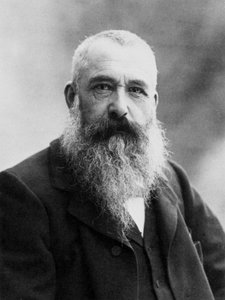
印象派の巨匠クロード・モネの世界を探索しましょう。「睡蓮」や「積みわら」といった象徴的な風景画を通じて、移ろいゆく光と色彩を見事に捉えた彼の作品は、今なお人々を魅了し続けています。
§ 3解説
The Melancholy Beauty of Monet’s Weeping Willow
Claude Monet's Weeping Willow, painted between 1918 and 1919, isn’t merely a depiction of a tree; it’s a poignant meditation on loss, memory, and the enduring power of nature. Created during the tumultuous years of World War I, this series of ten canvases represents more than just an artistic endeavor—it stands as a deeply personal tribute to those who perished in the conflict, reflecting Monet's own anxieties and grief amidst a world shattered by violence. The painting’s somber palette – dominated by muted blues, greens, and greys – immediately establishes a mood of quiet melancholy, mirroring the emotional weight carried within its subject matter.
Monet’s signature Impressionist style is exquisitely employed here. He abandons the bright, vibrant colors often associated with his earlier work, opting instead for subtle gradations of tone and delicate brushstrokes to capture the essence of the weeping willow's form. The tree isn’t rendered with photographic precision; rather, it exists as a fleeting impression, an evocation of its presence rather than a literal representation. Notice how Monet uses broken color—small, distinct strokes of paint layered upon one another—to create a sense of shimmering light and atmospheric depth. This technique is particularly evident in the way he portrays the willow’s branches, which seem to writhe and sway with an almost mournful grace.
The choice of the weeping willow itself carries significant symbolic weight. Throughout Western art history, the willow has been associated with sorrow, mourning, and remembrance. Its drooping branches evoke a sense of vulnerability and quiet despair, aligning perfectly with the context of the painting’s creation – a time of immense national suffering. Furthermore, Monet's personal life at this period was marked by profound loss; his son, Jean, served on the front lines during the war, adding another layer of emotional resonance to the work. The solitary tree, standing alone against a muted sky, becomes a powerful emblem of isolation and grief.
The Series and Monet’s Process
What distinguishes Weeping Willow from other landscapes in Monet's oeuvre is its inclusion within a deliberate series. Between 1918 and 1919, he produced ten variations of the same subject – a weeping willow located at his beloved garden in Giverny. This systematic approach reveals Monet’s meticulous observation and his desire to capture not just a single moment in time, but the subtle shifts in light, color, and atmosphere that define a particular scene over an extended period. He wasn't simply painting *a* weeping willow; he was exploring its multifaceted nature under different conditions.
The series demonstrates Monet’s evolving technique during this late phase of his career. He experimented with layering wet-in-wet paint, allowing colors to blend and bleed together on the canvas, creating a hazy, dreamlike quality. He also employed a technique known as “impasto,” applying thick layers of paint to create textural contrasts and heighten the sense of three-dimensionality. The variations within the series highlight these subtle shifts in his approach, offering a fascinating glimpse into the artist’s creative process.
A Reproduction for Your Home
Bringing Monet's Weeping Willow into your home through a high-quality reproduction is more than just adorning a wall; it’s an opportunity to connect with one of the most influential artists of the 19th century. AllPaintingsStore offers meticulously crafted oil paintings that faithfully capture the essence of Monet's masterpiece, utilizing only the finest materials and employing traditional hand-painting techniques. Each reproduction is created by skilled artisans who have a deep understanding of Monet’s style and his artistic vision.
Our reproductions retain the delicate brushwork, subtle color variations, and atmospheric depth that characterize the original painting. The rich texture of the canvas and the luminous quality of the pigments create an immersive experience, transporting you to Monet's serene garden in Giverny. With its timeless beauty and poignant symbolism, Weeping Willow is a testament to the power of art to evoke emotion and capture the fleeting moments of nature’s splendor. Explore our collection today and discover how you can bring this iconic work into your personal space.
Key Features of Our Reproductions:
- Handmade oil paintings on canvas
- High-quality materials and craftsmanship
- Attention to detail and accuracy
- Affordable prices without compromising quality
Discovering Monet’s Legacy
To further enrich your appreciation of Claude Monet and his artistic journey, we encourage you to visit the Musée Marmottan Monet in Paris, where you can witness the original paintings firsthand. Alternatively, explore our website for a broader selection of Monet’s works, including his celebrated Water Lilies series, and delve deeper into the world of Impressionist art.
Q&A
クロード・モネは何歳の時に「Weeping Willow」を制作しましたか?
クロード・モネは79歳の時に「Weeping Willow」を制作しました。作家は1840年に生まれ、本作の制作年は1919年です。
クロード・モネによる「Weeping Willow」は、どの程度知られていますか?
クロード・モネ作「Weeping Willow」 の人気度は Iconic です。この分類は、その作品がどの程度広く知られているかを表しています。
「Weeping Willow」は、拡張現実(AR)でのプレビューに対応していますか?
「Weeping Willow」は、拡張現実(AR)でのプレビューが可能です。対応デバイスで作品のARで見るページを表示すると、ご自身の空間に作品を配置してご確認いただけます。


 プリント版に切り替え


 いずれかの辺が105 cm(約41インチ)を超えるアートワークまたは複製画の場合、フレームは分解されたキットの状態でお届けいたします。この方法は、輸送中の破損を防ぎ、安全に配送するために採用しております。


