1885. 油彩絵具, 65.0 x 81.0 cm.

§ 1Catalogue data

- 65.0 x 81.0 cm


§ 2Abstract
コレクション詳細
"Willows in Springtime," by Claude Monet, embodies Impressionism's celebration of light and color, capturing the serene beauty of springtime Normandy with delicate brushstrokes and vibrant hues. Explore this masterpiece at AllPaintingsStore.com!
 続きを読む
続きを読む
アーティストプロフィール
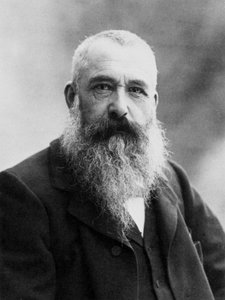
印象派の巨匠クロード・モネの世界を探索しましょう。「睡蓮」や「積みわら」といった象徴的な風景画を通じて、移ろいゆく光と色彩を見事に捉えた彼の作品は、今なお人々を魅了し続けています。
§ 3Commentary
Willows in Springtime: A Symphony of Light and Impression
Claude Monet, one of the most celebrated artists of the Impressionist movement, is renowned for his captivating depictions of nature. Among his notable works is "Willows in Springtime", a painting that embodies the essence of spring with its vibrant colors and serene atmosphere. This masterpiece, completed in 1885, transcends mere representation—it’s an immersive experience of light, texture, and emotion, capturing a fleeting moment of beauty within the tranquil landscape of Giverny.Composition and Details
Measuring 65 x 81 cm, “Willows in Springtime” showcases two large willow trees standing side by side, their branches stretching outwards to create a sense of depth and dimensionality. Monet’s masterful brushstrokes—loose, visible strokes of pigment applied wet-on-wet—are characteristic of Impressionism's core philosophy: prioritizing the sensation of seeing over meticulous realism. Smaller trees are scattered throughout the scene, adding detail and life to the composition, while a river flows gently in the background, contributing to the painting’s peaceful ambiance. The artist meticulously observed how sunlight filtered through the foliage, translating these observations onto canvas with astonishing accuracy.Artistic Significance
“Claude Monet: Willows in Springtime” is a quintessential example of Impressionist art, characterized by its emphasis on capturing light and color. Monet's deliberate choice to depict the same subject repeatedly—a technique known as *serie*—allowed him to explore variations in illumination throughout the day and across seasons. This approach wasn’t simply about documenting reality; it was about conveying an artist’s subjective perception of it, prioritizing feeling over factual precision. The painting exemplifies Impressionism's revolutionary rejection of academic conventions and its embrace of spontaneity and immediacy.Contextualizing the Artist
Claude Monet (1840–1926) was a prolific artist who explored various themes in his work, including landscapes, gardens, and water scenes. His fascination with light—particularly how it transforms color—fueled his artistic endeavors. Consider "Vase of Tulips", another notable work by Monet, which demonstrates his ability to capture the beauty of flowers in a still life setting—a testament to his versatility and unwavering dedication to portraying the natural world. His influence extends far beyond Impressionism, shaping subsequent artistic movements and inspiring generations of artists.Relevance to Art History
Monet’s works are not only aesthetically pleasing but also significant in the context of art history. His contributions to Impressionism paved the way for future movements like Post-Impressionism and Fauvism, fundamentally altering the course of Western painting. The Tokyo National Museum houses a collection of Japanese art and archaeology that reflects the cultural exchange and influence of various artistic styles—a fascinating parallel to Monet’s own exploration of diverse visual traditions. For those interested in delving deeper into Monet's legacy, "The Train in the Snow" offers a compelling insight into his ability to synthesize nature and industrial imagery—a bold departure from traditional artistic conventions.- Claude Monet: A French Impressionist painter known for his landscapes and depictions of light.
- The Tokyo National Museum (Japan): The oldest and largest museum in Japan, dedicated to preserving Japanese art and archaeology.
- "Willows in Springtime": A painting by Claude Monet that captures the serenity of spring with its vibrant colors and peaceful composition.
For a deeper understanding of Monet's influence on art history, refer to "The Train in the Snow", a painting that reflects his integration of nature and industry.
よくあるご質問
「Willows in Springtime」のダウンロードは可能ですか?
クロード・モネ作「Willows in Springtime」の画像は、作品のダウンロードページからダウンロードいただけます:高解像度デジタル画像のダウンロード。
「Willows in Springtime」はどの様式に属していますか?
クロード・モネ作「Willows in Springtime」に関連する芸術運動はImpressionismです。この分類により、本作は関連する他の芸術家や作品群の中に位置づけられます。
クロード・モネ作「Willows in Springtime」を特徴づける技法やスタイルは何ですか?
クロード・モネ作「Willows in Springtime」は、油彩絵具の技法とImpressionismの様式を融合させた作品です。技法(テクニック)は制作手法を、様式(ムーブメント)はその作品のスタイルを表しています。


 プリント版に切り替え


 いずれかの辺が105 cm(約41インチ)を超えるアートワークまたは複製画の場合、フレームは分解されたキットの状態でお届けいたします。この方法は、輸送中の破損を防ぎ、安全に配送するために採用しております。