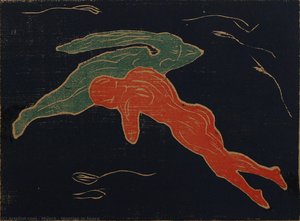
1894. Acrylic On Canvas.

§ 1カタログデータ


§ 2抽象
作品解説
Explore Edvard Munch's 'Anxiety 2,' a haunting Expressionist masterpiece depicting collective fear and psychological turmoil. A pivotal work reflecting the human condition.
 詳細を表示
詳細を表示
アーティストの略歴
エドヴァルド・ムンク(1863-1944):不安や死をテーマにした表現主義の先駆者。代表作「叫び」は、現代人の心の葛藤を象徴する不朽の名画です。愛、喪失、精神的な苦悩を描いた作品を通して、20世紀美術に大きな影響を与えました。
§ 3解説
Anxiety
Edvard Munch’s “Anxiety” stands as a haunting testament to the psychological landscape of late 19th-century Europe and a cornerstone of Expressionism. Created between 1893 and 1894, this monochrome oil painting transcends mere representation; it plunges viewers into the turbulent depths of human emotion—specifically, fear and despair—capturing a visceral experience that continues to resonate powerfully today.
Style and Technique Munch’s approach aligns perfectly with the tenets of Expressionism. Rejecting Impressionistic objectivity, he prioritized conveying inner feelings rather than external appearances. The painting utilizes thick impasto brushstrokes – bold, textured marks of paint – which contribute significantly to its dramatic impact. These strokes aren't merely decorative; they embody the artist’s agitated state of mind and visually communicate the overwhelming sensation of anxiety.
Historical Context “Anxiety” emerged during a period marked by intellectual ferment and societal anxieties surrounding scientific advancements, urbanization, and shifting moral values. Munch was deeply influenced by philosophers like Nietzsche and Kierkegaard, whose existential explorations mirrored his own preoccupation with mortality and the human condition. The painting reflects the broader cultural mood of uncertainty and apprehension prevalent in Norway at the time.
Symbolism Munch’s masterful use of symbolism elevates “Anxiety” beyond a simple depiction of emotion. The central figure—a solitary individual rendered in muted tones—stands on a bridge overlooking a fjord, mirroring the iconic image of “The Scream.” This repetition underscores the interconnectedness of psychological torment and artistic expression. The swirling lines dominating the composition symbolize the chaotic forces of fear and anxiety, engulfing the landscape and reflecting the inner turmoil of the protagonist.
Emotional Impact Viewing “Anxiety” evokes a profound sense of unease and vulnerability. Munch’s deliberate avoidance of color—confined to shades of grey—intensifies the painting's emotional power by stripping away any distractions from the core experience of dread. The figure’s contorted posture and anguished gaze convey an overwhelming feeling of helplessness, inviting contemplation on themes of isolation, suffering, and the inescapable confrontation with mortality. It is a piece that compels us to confront our own anxieties and grapple with the darker aspects of human existence.
Location & Further Exploration “Anxiety” resides within The Munch Museum in Oslo, Norway—a pilgrimage for anyone interested in delving deeper into Munch’s artistic legacy and the broader context of Expressionism.
You can find more information about Edvard Munch and his artwork on AllPaintingsStore.com. Interested in owning a stunning reproduction? Visit AllPaintingsStore.com.
Q&A
ムンク作「Anxiety」を異なる照明の下で見ることはできますか?
ムンク作「Anxiety」のX線解析ページは、X線写真のような表示を含む、作品画像の11層にわたる光学レイヤーをスライドして閲覧できるインタラクティブ・ビューアです。
ムンク作「Anxiety」のデジタルデータを入手するには、どうすればよいですか?
「Anxiety」は、高解像度デジタル画像にて直接ご購入いただける高解像度デジタル画像のダウンロードとしてご利用いただけます。
「Anxiety」の色は、どの程度の光を反射しているように見えますか?
ムンク作「Anxiety」 の輝度は Soft Shadow です。輝度とは、色がどれほど光を反射しているかを表す指標です。


 プリント版に切り替え


 いずれかの辺が105 cm(約41インチ)を超えるアートワークまたは複製画の場合、フレームは分解されたキットの状態でお届けいたします。この方法は、輸送中の破損を防ぎ、安全に配送するために採用しております。