

Acrylic On Canvas.

§ 1Catalogue data

著作権保護について
このページに掲載されている作品は著作権法によって保護されており、当社の許可なく同一の複製物を制作または販売することは法律で禁じられています。この保護は、以下のような国際条約に基づき執行されます。 ベルヌ条約 および、以下の条項に定められたものを含む各国の法律により、 米国著作権法 第17編。
敬意を払った法的な代替手段として、私たちはオリジナルにインスピレーションを与えられた、カスタムの手描きアートワークを提供しています。私たちの熟練したプロのアーティストは、元の作品が持つスタイル、情緒、そして芸術的なエッセンスを注意深く研究し、独自の創作物でありながら、同じ感性を呼び起こすような、新しくユニークな作品を作り上げます。
この手法は、著作権で保護された作品の複製や複写を伴わないため、著作権法に完全に準拠しています。これは単なる模倣ではなく、創造的な再解釈です。元の作品からインスピレーションを受けつつも、それとは異なる、全く新しい絵画を生み出すものです。
 詳細を見る
詳細を見る§ 2Abstract
コレクション詳細
Explore Edward Hopper's iconic masterpiece 'untitled (202)', capturing urban solitude and quiet contemplation with muted blues, grays, and pinks—a poignant reflection of American realism.
アーティストプロフィール
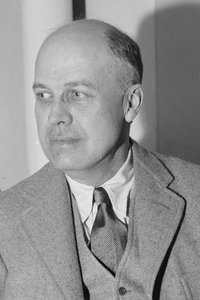
アメリカンリアリズムの巨匠、エドワード・ホッパー。孤独な都市生活と光影を巧みに捉え、『Nighthawks』や『日曜日の午後』など、時代を超越した傑作群で知られます。20世紀アメリカ社会の深層心理を映し出す芸術家。
§ 3Commentary
A Solitude Observed: The Life and Art of Edward Hopper
Edward Hopper, a name inextricably linked to the quietude and subtle melancholy that permeated 20th-century American life, wasn’t simply a painter of scenes; he was a poet of light and shadow, a chronicler of modern isolation. Born in Nyack, New York, in 1882, to middle-class parents of Dutch ancestry, Hopper's early years provided a stable upbringing that nurtured his artistic inclinations. From childhood sketches meticulously dated and signed, it became evident that keen observation and an innate talent for drawing were central to his being.
Though initially encouraged towards commercial illustration – a pragmatic suggestion from his parents – Hopper’s ambitions leaned toward fine art, leading him to the New York School of Art where he studied under William Merritt Chase and Robert Henri. These formative years instilled not only technical skill but also an appreciation for realism and a commitment to depicting the world as he saw it. He sought to capture the essence of everyday life—the loneliness, the unspoken anxieties—with unflinching honesty.
- Early Influences: Hopper’s artistic development was profoundly shaped by Impressionism and Post-Impressionism, particularly Cézanne and Gauguin. These artists championed observation and expressive brushwork, principles that would become hallmarks of Hopper's distinctive style.
- The New York School: His studies at the New York School fostered a collaborative spirit and encouraged experimentation with innovative techniques. He honed his skills alongside fellow artists who shared his fascination for capturing psychological states through visual representation.
Hopper’s oeuvre is characterized by its meticulous realism, achieved through smooth brushstrokes and careful attention to detail. He employed oil paints on canvas—a practice consistent with the artistic conventions of his time—to render scenes bathed in diffused light that heighten emotional resonance. The artist's technique prioritized clarity and precision, creating a sense of detachment rather than overt sentimentality.
- Compositional Strategies: Hopper’s paintings often utilize geometric forms – rectangles, squares, circles – to construct environments that convey stillness and confinement. This deliberate structuring contributes to the pervasive feeling of solitude within his works.
- Light and Shadow: Light plays a crucial role in Hopper's artistic vision, serving as both illumination and metaphor. Dramatic lighting casts strong shadows across interiors, emphasizing contrasts between warmth and coolness and amplifying the psychological impact of each scene.
Perhaps no painting embodies Hopper’s signature aesthetic more powerfully than “untitled (202).” This artwork depicts a solitary figure seated on a bed within a sparsely furnished room—a motif recurrent throughout his career. The composition is dominated by strong geometric shapes – the rectangular window, the bed, and the walls – creating a feeling of confinement that speaks to the anxieties inherent in modern urban existence.
The muted color palette—primarily cool blues, grays, and pale pinks—underscores the melancholic mood. A warm pink hue highlights the figure’s garment, providing subtle visual contrast against the cooler tones of the room. Hopper's masterful use of perspective subtly suggests depth while maintaining a flattened surface, reinforcing the sense of detachment characteristic of his style.
“untitled (202)” resonates deeply with viewers because it captures a universal experience: the quiet contemplation of solitude amidst the bustle of daily life. It’s a poignant reminder of human vulnerability and longing—themes that Hopper explored consistently throughout his prolific artistic output, cementing his place as one of America's most enduring visual artists.
よくあるご質問
「untitled (202)」は、どのような場所や用途での使用がおすすめですか?
「untitled (202)」はAccentに最適で、Living Roomへの飾るのがおすすめです。
エドワード・ホッパーには、他にどのような別名や通称がありますか?
エドワード・ホッパーは、エドガー・ホパー, ホッパーという名でも知られています。
注文前にエドワード・ホッパー作「untitled (202)」をプレビューすることはできますか?
エドワード・ホッパー作「untitled (202)」のプレビューは、作品のプレビューページでご確認いただけます。


 プリント版に切り替え


 いずれかの辺が105 cm(約41インチ)を超えるアートワークまたは複製画の場合、フレームは分解されたキットの状態でお届けいたします。この方法は、輸送中の破損を防ぎ、安全に配送するために採用しております。


