

Acrylic On Canvas.

§ 1カタログデータ

本作品の著作権について
このページに掲載されている作品は著作権法によって保護されており、当社の許可なく同一の複製物を制作または販売することは法律で禁じられています。この保護は、以下のような国際条約に基づき執行されます。 ベルヌ条約 および、以下の条項に定められたものを含む各国の法律により、 米国著作権法 第17編。
敬意を払った法的な代替手段として、私たちはオリジナルにインスピレーションを与えられた、カスタムの手描きアートワークを提供しています。私たちの熟練したプロのアーティストは、元の作品が持つスタイル、情緒、そして芸術的なエッセンスを注意深く研究し、独自の創作物でありながら、同じ感性を呼び起こすような、新しくユニークな作品を作り上げます。
この手法は、著作権で保護された作品の複製や複写を伴わないため、著作権法に完全に準拠しています。これは単なる模倣ではなく、創造的な再解釈です。元の作品からインスピレーションを受けつつも、それとは異なる、全く新しい絵画を生み出すものです。
 詳しく読む
詳しく読む§ 2抽象
作品解説
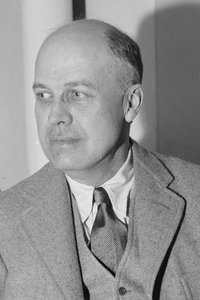
Edward Hopper's 'Untitled (3361)' captures urban solitude and quiet reflection with figures seated in a diner window, embodying the artist’s signature style of American realism and poignant isolation.
アーティストの略歴
アメリカンリアリズムの巨匠、エドワード・ホッパー。孤独な都市生活と光影を巧みに捉え、『Nighthawks』や『日曜日の午後』など、時代を超越した傑作群で知られます。20世紀アメリカ社会の深層心理を映し出す芸術家。
§ 3解説
A Moment Frozen in Time: The Enigmatic World of Edward Hopper
Edward Hopper's "Untitled (3361)," a black and white photograph capturing a quiet scene outside a building, isn’t merely a depiction of five individuals seated on sidewalk chairs; it’s a distilled essence of 20th-century American experience – a poignant exploration of isolation, urban anonymity, and the subtle melancholy that often underlies modern life. Created during Hopper's most prolific period, this work exemplifies his signature style: stark realism imbued with an almost dreamlike quality, achieved through masterful use of light and shadow. The photograph itself presents a scene frozen in time, inviting viewers to contemplate the stories – or perhaps the lack thereof – behind each figure’s posture and gaze.
Hopper, born in Nyack, New York, in 1882, possessed an innate ability to observe and translate the complexities of human interaction into visual form. His early training at the New York School of Art, under influential figures like William Merritt Chase and Robert Henri, instilled a deep appreciation for realism while simultaneously nurturing his unique artistic voice. This photograph, created around 1930-1940, reflects this synthesis – a precise rendering of reality layered with an underlying current of introspection. The composition is deliberately restrained, focusing on the immediate foreground figures while subtly receding into the background, creating a sense of spatial depth and drawing the viewer’s eye to the central drama unfolding within the frame.
The Language of Light and Shadow: Hopper's Signature Technique
Hopper’s genius lay not just in his subject matter but also in his technical execution. He was a master of light, using it to sculpt form, define mood, and evoke emotion. In "Untitled (3361)," the stark contrast between the illuminated interior of the building and the shadowed sidewalk creates a powerful visual tension. The diffused light filtering through the windows casts an ethereal glow on the seated figures, highlighting their faces and postures while simultaneously obscuring details and contributing to the overall sense of mystery. The use of black and white further amplifies this effect, stripping away color and focusing attention solely on form, texture, and tonal variations.
Notice the deliberate placement of the chairs – angled at various points, creating a dynamic yet static composition. This arrangement subtly suggests a sense of unease or awkwardness, hinting at unspoken interactions and unresolved tensions. The book resting on one chair adds another layer of intrigue, prompting questions about the individuals’ thoughts and activities. Hopper's meticulous attention to detail – from the wrinkles in the faces of the seated figures to the subtle variations in texture of the sidewalk – contributes significantly to the photograph’s realism and emotional resonance.
Symbolism and the Poetics of Loneliness
While Hopper himself often resisted definitive interpretations of his work, "Untitled (3361)" is widely understood as a meditation on loneliness and isolation—themes that were central to his artistic vision. The figures in the photograph appear detached from one another, lost in their own thoughts or absorbed in private worlds. Their postures – some relaxed, others tense – suggest a range of emotions, but none convey overt connection. The empty street and the darkened building contribute to this sense of solitude, reinforcing the feeling that these individuals are adrift in an indifferent urban landscape.
Considering Hopper’s broader body of work, particularly paintings like “Nighthawks” and “Gas,” it's clear that he was fascinated by the quiet dramas unfolding within everyday American life. “Untitled (3361)” serves as a microcosm of this larger theme, offering a glimpse into the hidden lives of ordinary people and prompting viewers to contemplate their own experiences of isolation in an increasingly complex world. The photograph’s enduring appeal lies in its ability to evoke a powerful emotional response – a sense of melancholy, curiosity, and perhaps even a touch of recognition.
Q&A
エドワード・ホッパー作「untitled (3361)」 の全体を貫く基調となる色は何ですか?
エドワード・ホッパー作「untitled (3361)」の主要な色調はAmber to Saffronです。この色調が、パレット全体の基調となるトーンを形作っています。
「untitled (3361)」は、全体的に明るい印象ですか、それとも暗い印象ですか?
エドワード・ホッパー作「untitled (3361)」の明るさはbrilliant、輝度はBright Balanceと記録されています。
「untitled (3361)」のファインアートプリントは販売されていますか?
エドワード・ホッパー作「untitled (3361)」のプリントは、こちらのファインアートプリントページから直接ご注文いただけます:コットンキャンバス、またはアーカイブ品質のキャンバスペーパーに施されたファインアートプリント


 プリント版に切り替え


 いずれかの辺が105 cm(約41インチ)を超えるアートワークまたは複製画の場合、フレームは分解されたキットの状態でお届けいたします。この方法は、輸送中の破損を防ぎ、安全に配送するために採用しております。


