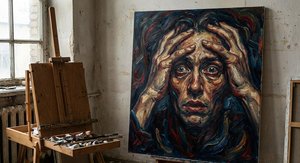
Oil On Canvas.

§ 1カタログデータ


§ 2抽象
作品解説
A striking portrait by Eugène Delacroix, 'Abel Widmer' captures the intensity of Romanticism with its dramatic colors and subject’s stern gaze. Explore this masterpiece & Delacroix's artistic journey.
 詳細を表示
詳細を表示
アーティストの略歴
フランス・ロマン主義を代表する画家ウジェーヌ・ドラクロワ。ドラマティックな場面描写、エキゾチックなテーマ、そして鮮やかな色彩感覚で知られています。「民衆を導く自由の女神」などの名作をご覧ください。#ドラクロワ #ロマン主義 #フランス美術
§ 3解説
Eugène Delacroix’s “Abel Widmer”: A Portrait of Intensity
“Abel Widmer,” painted circa 1824 by Eugène Delacroix, is more than just a portrait; it's a carefully constructed tableau of youthful intensity and burgeoning intellect. This captivating work, now residing in the National Gallery in London, offers a rare glimpse into the mind of a young man on the cusp of adulthood – Abel Widmer himself – and reveals Delacroix’s masterful command of color, composition, and dramatic lighting, hallmarks of his pivotal role in the French Romantic movement.
Delacroix's artistic journey was profoundly shaped by the preceding generations. He deeply admired the Baroque masters, particularly Peter Paul Rubens, whose dynamic brushwork and vibrant palette he sought to emulate. Simultaneously, he found inspiration in the Venetian Renaissance, absorbing its emphasis on color and movement – a departure from the prevailing Neoclassical restraint of the time. This dual influence is strikingly evident in “Abel Widmer,” where the rich, saturated hues of the background—deep blues and greens that evoke both mystery and contemplation—are juxtaposed with the warmer tones of Widmer’s skin, creating a visual tension that mirrors the subject's own internal state.
The Subject: A Young Man Defined by Resolve
Abel Widmer himself was a student at the Institution Saint-Victor in Paris, a prestigious secondary school. Delacroix captured him not as a carefree youth, but as a young man already imbued with a certain seriousness and determination. His stern expression—a direct gaze that meets the viewer’s eye—immediately commands attention. It's a face etched with thoughtfulness, hinting at an inquisitive mind and perhaps even a touch of melancholy. The carefully chosen attire – a crisp white shirt and tie – speaks to his status and aspirations, suggesting a young man poised for success within the established order, yet subtly resisting its constraints.
Delacroix’s technique is equally compelling. He employs loose, expressive brushstrokes—a characteristic of Romanticism—to convey movement and energy. The paint seems to shimmer and vibrate, particularly in the background, creating a sense of depth and atmosphere. Notice how Delacroix doesn't meticulously render every detail; instead, he relies on suggestive strokes and carefully placed highlights to create an impression of reality rather than a photographic likeness. This approach aligns perfectly with the Romantic emphasis on emotion and subjective experience.
Delacroix’s Style & Influences
“Abel Widmer” exemplifies Delacroix's signature style, which evolved dramatically throughout his career. Initially influenced by Neoclassical principles, he quickly embraced a more daring and expressive approach, drawing inspiration from Spanish masters like Diego Velázquez and the dramatic intensity of scenes depicted in works such as “Ovid Among the Scythians,” housed at the National Gallery. The painting’s composition—a carefully balanced arrangement of form and color—reflects Delacroix's understanding of visual harmony and his ability to create a powerful emotional impact.
The portrait also demonstrates Delacroix’s fascination with exotic themes, a trait that would become increasingly prominent in his later works. While “Abel Widmer” is rooted in the familiar setting of Parisian society, it possesses an underlying sense of drama and mystery—qualities that resonate deeply within the Romantic sensibility. It's a testament to Delacroix’s ability to infuse even a seemingly straightforward portrait with layers of meaning and emotional resonance.
A Legacy of Color & Passion
“Abel Widmer” stands as a pivotal work in Delacroix’s oeuvre, showcasing his artistic evolution and solidifying his position as a leading figure in the French Romantic movement. Reproductions offer an exceptional opportunity to appreciate the painting's intricate details and vibrant colors, bringing this compelling portrait into any home or collection. Consider exploring other works by Delacroix, such as “Christ on the Cross” and “Liberty Leading the People,” to further immerse yourself in his world of color, passion, and dramatic intensity. For a deeper dive into the artist’s life and work, visit Eugène Delacroix's page on AllPaintingsStore.com or explore the Musée Eugène Delacroix in Paris.
Q&A
「Abel widmer」のスタイルは、作者が生きた時代とどのように関わっていますか?
ウジェーヌ・ドラクロワ作「Abel widmer」は、作者の19世紀という時代における、Romanticismのムーブメントに位置づけられます。
ウジェーヌ・ドラクロワ作「Abel widmer」は、どのような情緒や感情を表現していますか?
「Abel widmer」は、RomanticなムードにDramaticな感情が添えられた作品です。
「Abel widmer」の作者と、その画風について教えてください。
「Abel widmer」は、ウジェーヌ・ドラクロワの手によるRomanticism様式の作品です。作者と様式は、その作品が受け継ぐ伝統を定義するものです。


 プリント版に切り替え


 いずれかの辺が105 cm(約41インチ)を超えるアートワークまたは複製画の場合、フレームは分解されたキットの状態でお届けいたします。この方法は、輸送中の破損を防ぎ、安全に配送するために採用しております。