

1931. Ink On Paper.

§ 1カタログデータ


§ 2抽象
作品解説
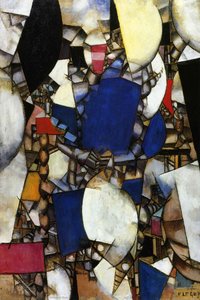
Explore Fernand Léger’s ‘Study Nuts,’ a striking monochrome cubist study of a walnut. Detailed hatching & cross-hatching create depth. A unique, vintage art piece – perfect for collectors!
 詳細を表示
詳細を表示
アーティストの略歴
レジェは、キュビスムと「チューブズム」の先駆者。機械美や都市生活を大胆な色彩と形態で表現し、ポップアートへの道を開いたフランス画家。現代社会のエネルギーと躍動感を捉えた作品群は、今なお多くの人々に影響を与え続けています。
§ 3解説
The Anatomy of Nature: A Botanical Revelation
In the quiet, focused realm of Fernand Léger’s 1931 masterpiece, Study Nuts, the boundaries between the organic world and scientific inquiry dissolve into a singular, breathtaking vision. At first glance, one might expect a traditional botanical illustration—a celebratory tribute to the bounty of nature. Instead, Léger presents us with a profound, cross-sectional exploration of a walnut half, stripped of its shell and laid bare before our eyes. The composition is intensely intimate, utilizing a tight crop that forces the viewer into an almost voyeuristic encounter with the nut's internal architecture. There is no surrounding landscape to provide context, only the labyrinthine network of fibers, cavities, and shadows that constitute the heart of the subject. This focused approach transforms a simple piece of fruit into a complex, topographical map of life itself.
The technique employed in this work is nothing short of a masterclass in monochrome precision. Eschewing the vibrant, primary colors often associated with his later "Tubism" style, Léger turns to the disciplined medium of black ink to achieve a sense of structural depth. Through an exquisite application of hatching and cross-hatching, he builds layers of darkness and light that simulate the rugged, intricate textures of the walnut's interior. Each stroke of the pen serves a dual purpose: to define the physical boundaries of the organic matter and to create a rhythmic, almost mechanical texture that vibrates with energy. The result is an image that feels both ancient, reminiscent of 18th-century anatomical sketches, and strikingly modern in its graphic intensity.
A Convergence of Biology and the Machine Age
To understand Study Nuts, one must look toward the historical pulse of the early 20th century. Created during a period of immense industrial transformation, Léger’s work reflects a fascination with the underlying geometry found within all things. While he is celebrated for capturing the metallic rhythm of factories and urban landscapes, this study reveals his ability to find that same structural logic within the natural world. There is a subtle, brilliant tension here between the biological subject and the mechanical execution; the way the fibers are rendered suggests the precision of an engineered component, bridging the gap between the pastoral roots of his youth in Normandy and the high-voltage hum of the modern era.
For the discerning collector or interior designer, this piece offers a unique emotional resonance. It does not demand attention through loud colors or dramatic narratives; rather, it commands respect through its quiet, intellectual rigor. The artwork possesses an understated elegance that makes it a versatile cornerstone for sophisticated spaces. Whether placed in a minimalist gallery setting or used to add a layer of textured depth to a contemporary study, Study Nuts provides a sense of groundedness and contemplative stillness. It is an ode to form and function, inviting the viewer to pause and appreciate the magnificent, hidden complexities that exist within even the most humble fragments of our world.
Q&A
「Study nuts」の作者とスタイルは何ですか?
「Study nuts」の背景には、フェルナンド・レジェとCubism運動があります。
フェルナンド・レジェ作「Study nuts」には何が描かれていますか?
フェルナンド・レジェ作「Study nuts」の描画内容:botanical study, walnut illustration, monochrome drawing, cubist composition, hatching technique, vintage art print, scientific study
フェルナンド・レジェによる「Study nuts」は、どの程度知られていますか?
フェルナンド・レジェ作「Study nuts」 の人気度は Recognized です。この分類は、その作品がどの程度広く知られているかを表しています。





 プリント版に切り替え


 いずれかの辺が105 cm(約41インチ)を超えるアートワークまたは複製画の場合、フレームは分解されたキットの状態でお届けいたします。この方法は、輸送中の破損を防ぎ、安全に配送するために採用しております。


