

1954. Painting.

§ 1Catalogue data


§ 2Abstract
作品解説
Experience Fernand Léger's vibrant 'The Big Parade,' a dynamic cubist painting featuring thirteen figures and a clock, capturing the energy of the machine age in bold colors. Discover this iconic artwork and bring its unique style into your space.
 詳細を表示
詳細を表示
アーティストの略歴
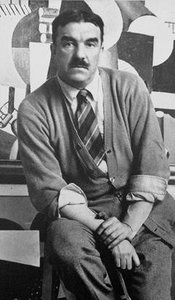
レジェは、キュビスムと「チューブズム」の先駆者。機械美や都市生活を大胆な色彩と形態で表現し、ポップアートへの道を開いたフランス画家。現代社会のエネルギーと躍動感を捉えた作品群は、今なお多くの人々に影響を与え続けています。
§ 3Commentary
A Symphony of Form: Unpacking Fernand Léger’s “The Big Parade”
Fernand Léger's 1954 painting, "The Big Parade," is more than just a depiction of a group gathering; it’s a vibrant manifesto of the modern age. Captured with bold colors and dynamic lines in a distinctive Cubist style, the artwork pulsates with an energy that reflects Léger’s fascination with industrialization and its impact on human experience. The scene unfolds with at least thirteen figures arranged in a lively tableau, some clustered closely together, others dispersed across the canvas, creating a sense of controlled chaos – a visual representation of urban life in the mid-20th century.
- Subject and Composition: The painting’s subject matter is deliberately ambiguous. It isn't a specific event but rather an evocation of social interaction, mirroring the bustling crowds and diverse populations found in rapidly modernizing cities. Léger masterfully employs geometric forms to break down individual figures into their constituent parts, presenting them as fragmented yet interconnected elements within a larger composition.
- Cubist Influence & Technique: Léger’s approach is firmly rooted in Cubism, particularly Synthetic Cubism, which emerged after his initial explorations of Analytical Cubism. He utilizes flattened planes, overlapping forms, and multiple perspectives to create a sense of depth and movement. The bright, almost jarring, color palette – reds, blues, yellows, and greens – further amplifies this dynamism, reflecting the artificial light and vibrant hues often associated with urban environments.
- The Clock as Symbol: A prominent clock on the left side of the canvas adds a layer of symbolic complexity. Clocks represent time, order, and the relentless march forward—themes central to Léger’s exploration of modernity. Its inclusion suggests a commentary on the impact of industrialization on human rhythms and the increasing pressure of modern life.
The Artist's Vision: Léger and the Machine Age
Born Joseph Fernand Henri Léger in 1881 in Argentan, Normandy, Léger’s artistic journey was profoundly shaped by his upbringing amidst the rural landscapes of France. This early exposure to physical labor – particularly farming – provided a crucial counterpoint to his later fascination with machines and industrial forms. He initially studied architecture but quickly transitioned to painting, driven by a desire to translate the visual language of the machine age onto canvas. Léger wasn't simply depicting machinery; he was attempting to capture its essence—its power, its geometry, and its transformative influence on human society.
Léger’s work reflects a broader cultural shift occurring in Europe during the early 20th century. The rise of industrialization, urbanization, and technological advancements were fundamentally altering people's lives, and Léger sought to visually represent these changes through his distinctive artistic style. His paintings are often described as “machine-made,” reflecting his belief that art should reflect the realities of modern life.
Symbolism and Emotional Impact
"The Big Parade" resonates with a powerful emotional impact, conveying a sense of both excitement and unease. The fragmented figures suggest a loss of individual identity within the mass society, while their collective presence hints at a shared experience—a feeling of belonging or perhaps even alienation. Léger’s bold use of color and dynamic composition creates a visually stimulating experience that invites viewers to contemplate the complexities of modern life.
The painting's enduring appeal lies in its ability to capture a pivotal moment in human history – the transition from rural traditions to an increasingly mechanized world. It is a testament to Léger’s artistic vision and his willingness to embrace the challenges and opportunities presented by modernity, making "The Big Parade" a significant work within the canon of 20th-century art.
Q&A
フェルナンド・レジェ作「The Big Parade」は、Cubismにおいてどのような情緒を表現していますか?
「The Big Parade」は、Cubismのムーブメントにおいて、Energeticな情緒を湛えています。
フェルナンド・レジェ作「The Big Parade」の色彩は、鮮やかですか、それとも落ち着いたトーンですか?
フェルナンド・レジェ作「The Big Parade」の彩度はBalanced Softです。
フェルナンド・レジェには、他にどのような別名や通称がありますか?
「The Big Parade」の作者であるフェルナンド・レジェには、他にFernand Léger (フルネーム), ジョセフ・フェルナン・アンリ・レジェ (Joseph Fernand Henri Léger, フルネーム)といった名称でも記録されています。


 プリント版に切り替え


 いずれかの辺が105 cm(約41インチ)を超えるアートワークまたは複製画の場合、フレームは分解されたキットの状態でお届けいたします。この方法は、輸送中の破損を防ぎ、安全に配送するために採用しております。


