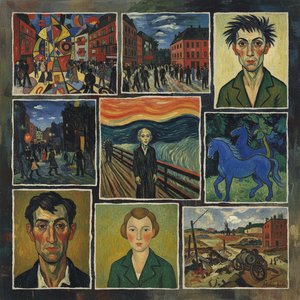
1972. Acrylic On Canvas.

§ 1Catalogue data


著作権保護について
このページに掲載されている作品は著作権法によって保護されており、当社の許可なく同一の複製物を制作または販売することは法律で禁じられています。この保護は、以下のような国際条約に基づき執行されます。 ベルヌ条約 および、以下の条項に定められたものを含む各国の法律により、 米国著作権法 第17編。
敬意を払った法的な代替手段として、私たちはオリジナルにインスピレーションを与えられた、カスタムの手描きアートワークを提供しています。私たちの熟練したプロのアーティストは、元の作品が持つスタイル、情緒、そして芸術的なエッセンスを注意深く研究し、独自の創作物でありながら、同じ感性を呼び起こすような、新しくユニークな作品を作り上げます。
この手法は、著作権で保護された作品の複製や複写を伴わないため、著作権法に完全に準拠しています。これは単なる模倣ではなく、創造的な再解釈です。元の作品からインスピレーションを受けつつも、それとは異なる、全く新しい絵画を生み出すものです。
 詳細を見る
詳細を見る§ 2Abstract
コレクション詳細
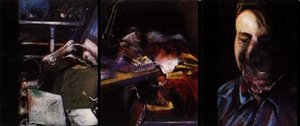
Explore Francis Bacon's poignant 'Triptych August 1972,' commemorating Dyer’s suicide with unsettling depictions of vulnerability and existential despair—a masterpiece reflecting trauma and loss.
アーティストプロフィール
フランシス・ベーコンは、20世紀を代表する表現主義画家。ピカソやキリアーニの影響を受け、人間の苦悩や孤独を強烈な色彩と歪んだ人体描写で表現しました。『三幕劇』や『インノセント10世の肖像』など、衝撃的な作品群は現代美術史に大きな足跡を残しています。
§ 3Commentary
A Descent Into Darkness: Exploring Francis Bacon’s ‘Triptych August 1972’
Francis Bacon's 'Triptych August 1972', painted in 1972, stands as a haunting testament to grief and existential despair—a visceral exploration of trauma rendered with unparalleled artistic mastery. More than just a depiction of George Dyer, Bacon’s lover who tragically succumbed to suicide on October 24th, 1971, the triptych embodies the artist's profound preoccupation with mortality and the inescapable burden of memory during a period marked by immense personal upheaval. It is a work that compels viewers to confront uncomfortable truths about human vulnerability and the relentless march of time.- Subject Matter: The central panel portrays Dyer in repose on a chair, his head bowed downwards—a posture conveying profound sorrow and defeat. Alongside him are two wing panels featuring photographs of Dyer taken by John Deakin, capturing him in similar poses, albeit imbued with an unsettling dynamism. These images serve as anchors to the emotional core of the piece.
- Style & Technique: Bacon’s signature style—characterized by distorted figures and grotesque forms—is powerfully evident here. Employing oil paint mixed with sand on three canvases, he achieves a textured surface that amplifies the painting's unsettling atmosphere. The monochromatic black background dominates each panel, intensifying the sense of isolation and amplifying the psychological impact of Dyer’s presence.
- Historical Context: Painted shortly after Dyer’s death, ‘Triptych August 1972’ reflects Bacon’s deeply personal response to loss—a reaction fueled by his own tumultuous life marked by failed relationships and recurring anxieties about death. It aligns with the broader artistic landscape of the postwar era, where artists wrestled with themes of trauma and disillusionment amidst the ruins of optimism.
- Symbolism: The black paint itself symbolizes darkness, grief, and oblivion—a deliberate choice mirroring Bacon’s internal state at the time of creation. Dyer's posture embodies vulnerability and surrender to fate, while the photographs serve as reminders of a vanished intimacy. The overall composition evokes a sense of inescapable confinement and underscores the futility of resisting mortality.
- Emotional Impact: Viewing ‘Triptych August 1972’ is an emotionally challenging experience. Bacon's masterful manipulation of form and color generates a palpable feeling of unease—a confrontation with the darkest recesses of human emotion. The painting lingers in the mind long after viewing, prompting contemplation on themes of loss, remembrance, and the inescapable realities of existence.
Further Exploration & Artistic Influence
As documented in Tate Britain’s exhibition catalogue, ‘Triptych August 1972’ exemplifies Bacon's commitment to confronting uncomfortable truths about human experience—a cornerstone of his artistic legacy. Influenced by Surrealism and Expressionism, Bacon pushed the boundaries of figurative painting, rejecting idealized representations in favor of visceral depictions that capture psychological torment with unflinching honesty. The triptych stands as a pivotal work within Bacon’s oeuvre, solidifying his reputation as one of the most significant artists of the 20th century. Its enduring power resides in its ability to provoke profound emotional responses and inspire ongoing dialogue about art's capacity to grapple with existential anxieties.Reproductions & Decorative Considerations
High-quality reproductions of ‘Triptych August 1972’ offer an opportunity to experience Bacon’s artistic vision within the context of contemporary interior design. Consider framing options that complement the painting's somber palette—matte black frames can enhance its dramatic effect, creating a sophisticated and contemplative space. When selecting a reproduction, prioritize archival quality prints using pigment inks to preserve color accuracy and ensure longevity. This artwork is best appreciated in environments where it can serve as a focal point for reflection and contemplation – spaces designed to foster introspection and evoke the profound emotional resonance of Bacon’s masterpiece.よくあるご質問
「Triptych August 1972」は、明暗のコントラストが強い作品ですか?
「Triptych August 1972」の明暗のコントラストはStatementと記録されています。コントラストとは、明るい部分と暗い部分がどの程度強く異なっているかを表す指標です。
フランシス・ベーコン作「Triptych August 1972」にはどのような主題が描かれていますか?
フランシス・ベーコン作「Triptych August 1972」に描かれているテーマには、memory, suicide, portraiture, existentialism, pain, isolation, black paintなどがあります。これらが合わさることで、本作の主題を構成しています。
「Triptych August 1972」の作者は?
「Triptych August 1972」はフランシス・ベーコンの作品とされています。



 プリント版に切り替え


 いずれかの辺が105 cm(約41インチ)を超えるアートワークまたは複製画の場合、フレームは分解されたキットの状態でお届けいたします。この方法は、輸送中の破損を防ぎ、安全に配送するために採用しております。