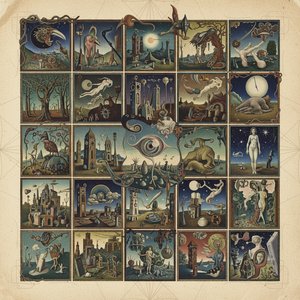
1983. Acrylic On Canvas.

§ 1カタログデータ


本作品の著作権について
このページに掲載されている作品は著作権法によって保護されており、当社の許可なく同一の複製物を制作または販売することは法律で禁じられています。この保護は、以下のような国際条約に基づき執行されます。 ベルヌ条約 および、以下の条項に定められたものを含む各国の法律により、 米国著作権法 第17編。
敬意を払った法的な代替手段として、私たちはオリジナルにインスピレーションを与えられた、カスタムの手描きアートワークを提供しています。私たちの熟練したプロのアーティストは、元の作品が持つスタイル、情緒、そして芸術的なエッセンスを注意深く研究し、独自の創作物でありながら、同じ感性を呼び起こすような、新しくユニークな作品を作り上げます。
この手法は、著作権で保護された作品の複製や複写を伴わないため、著作権法に完全に準拠しています。これは単なる模倣ではなく、創造的な再解釈です。元の作品からインスピレーションを受けつつも、それとは異なる、全く新しい絵画を生み出すものです。
 詳しく読む
詳しく読む§ 2抽象
作品解説
Triptych, left - Description: The image is a painting of a man sitting on a chair with his arms crossed. The man appears to be naked, and he has a strange expression on his face. The painting is set against an orange background that adds a vibrant touch to the scene. In addition to the main subject, there are two chairs in the image - one where the man is sitting and another chair located further
アーティストの略歴
フランシス・ベーコンは、20世紀を代表する表現主義画家。ピカソやキリアーニの影響を受け、人間の苦悩や孤独を強烈な色彩と歪んだ人体描写で表現しました。『三幕劇』や『インノセント10世の肖像』など、衝撃的な作品群は現代美術史に大きな足跡を残しています。
§ 3解説
A Portrait of Disquiet: Examining Francis Bacon’s “Man Sitting”
Francis Bacon's "Man Sitting," completed in 1983, stands as one of the artist’s most iconic depictions of human vulnerability and psychological torment. Painted during a period marked by personal upheaval – Bacon had endured a devastating divorce just months prior – the canvas embodies the profound anxieties that characterized his oeuvre throughout his prolific career.
- Subject Matter: The painting presents a solitary figure seated on a chair, rendered in an unsettling nude pose. His crossed arms convey both defensiveness and resignation, capturing a moment of profound stillness amidst internal turmoil.
- Style: Bacon’s signature style—characterized by fragmented forms, distorted perspectives, and visceral textures—is evident throughout “Man Sitting.” The figure is depicted with an almost grotesque realism, prioritizing emotional expression over anatomical accuracy.
Technique: Exploring Bacon's Method of Expression
Bacon employed a technique he termed "squeeze," applying paint directly onto the canvas with a sponge or rag. This method eschewed traditional brushstrokes, resulting in a surface riddled with irregular marks and palpable physicality. The orange background—a color frequently utilized by Bacon—amplifies the painting’s unsettling atmosphere, creating a sense of claustrophobia and highlighting the figure's isolation.
- Material: Bacon primarily used oil paint mixed with turpentine and linseed oil on unstretched canvas. This unconventional approach allowed for maximum textural variation and facilitated the creation of images that pulsate with raw emotion.
Historical Context: Echoes of Trauma and Existential Angst
"Man Sitting" emerged from a broader artistic landscape grappling with themes of trauma, disillusionment, and existential dread. Bacon’s work reflects the anxieties prevalent in post-war Britain—a society reeling from the devastation of World War II and confronting questions about morality, identity, and the human condition. His exploration of psychological vulnerability aligns closely with Surrealist influences and anticipates developments in Expressionism.
Symbolism: Decoding Layers of Meaning
The figure’s nude state symbolizes exposure—not merely physical nudity but also a stripping away of defenses and illusions. The crossed arms represent both protection and confinement, encapsulating the struggle to maintain composure amidst overwhelming emotion. The orange background serves as a visual metaphor for passion, danger, and perhaps even impending doom – colors often associated with primal instincts and subconscious desires.
Emotional Impact: Confronting Darkness Within
"Man Sitting" compels viewers to confront uncomfortable truths about human psychology—the inevitability of suffering, the fragility of identity, and the pervasive presence of darkness within ourselves. Bacon’s masterful manipulation of form and color transcends mere representation; it achieves a profound emotional resonance that lingers long after viewing the artwork. It invites contemplation on themes of isolation, vulnerability, and the enduring quest for meaning in an indifferent universe.
- Interior Designer Considerations: When incorporating reproductions of “Man Sitting” into interior spaces, consider pairing it with complementary hues—such as muted blues or greys—to create a balanced aesthetic. The painting’s dramatic texture and unsettling gaze serve as a powerful focal point, stimulating conversation and prompting reflection.
Ultimately, Bacon's "Man Sitting" remains a testament to the artist's unwavering commitment to portraying the complexities of human experience—a haunting reminder that beauty can coexist with pain, and that confronting darkness is essential for achieving genuine understanding.
Q&A
「Triptych, left」に似た作品はありますか?
フランシス・ベーコン作「Triptych, left」の関連作品ページでは、関連する作品をご紹介しています。
「Triptych, left」には、どのような情緒や感情が込められているのでしょうか?
「Triptych, left」は、DramaticなムードにMelancholicな感情が添えられた作品です。
フランシス・ベーコン作「Triptych, left」は、絵画、デッサン、それとも版画のいずれでしょうか?
カタログ内では、フランシス・ベーコン作「Triptych, left」はWallArtとして分類されています。このカテゴリーを活用することで、類似の作品を探すことができます。


 プリント版に切り替え


 いずれかの辺が105 cm(約41インチ)を超えるアートワークまたは複製画の場合、フレームは分解されたキットの状態でお届けいたします。この方法は、輸送中の破損を防ぎ、安全に配送するために採用しております。