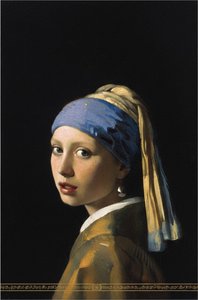
1658. Oil, 31.0 x 24.0 cm. Staatliches Museum.

§ 1Catalogue data

- 31.0 x 24.0 cm


§ 2Abstract
コレクション詳細
An elegant scene of a woman playing the harpsichord captures the refined detail of Dutch Golden Age master Frans van Mieris, inviting you to bring this exquisite moment of 17th-century sophistication into your home.
 続きを読む
続きを読む
アーティストプロフィール
フランス・ファン・ミリース(1635-1681):オランダ黄金時代の巨匠。「フィンスヒラー(細密画)」様式の風俗画や肖像画で知られ、精緻なディテールと17世紀の富裕層の生活を描いた作品で高い評価を得ています。
§ 3Commentary
A Symphony of Light and Detail
In the quiet intimacy of a seventeenth-century Dutch interior, Frans van Mieris the Elder captures a moment of profound musical connection in his masterpiece, Duet. This exquisite work serves as a quintessential example of the fijnschilder style, a technique where the artist’s brushwork becomes nearly invisible, leaving behind only the breathtaking reality of texture and light. As we gaze upon the scene, we are transported to an era of refined elegance, where the soft glow of candlelight or filtered daylight dances across the polished wood of a harpsimchord and the rich, crimson folds of a lady's gown. The painting is not merely a depiction of a musical performance; it is a sensory experience that invites the viewer to hear the delicate pluck of strings and feel the hushed reverence of the room.
The composition centers on a woman lost in the rhythmic flow of her music, her posture poised and graceful. Beside her, a companion watches with an intensity that suggests a shared emotional resonance, creating a silent dialogue between the performers. The inclusion of a small dog, resting loyally at their feet, adds a layer of domestic warmth and symbolizes fidelity, grounding the sophisticated atmosphere in a sense of home and heart. Every element, from the delicate lace of a collar to the subtle sheen on the musical score, is rendered with a precision that speaks to Van Mieris’s mastery of the Leiden school, making this piece a jewel of the Dutch Golden Age.
Historical Elegance for the Modern Collector
To possess a reproduction of Duet is to bring a piece of history into the contemporary living space. Created in 1658, during the height of the Dutch Golden Age, this work reflects the prosperity and cultural sophistication of the Netherlands. During this period, artists like Van Mieris were celebrated for their ability to elevate genre scenes—everyday moments of life—into high art through unparalleled technical virtuosity. For the discerning interior designer, this painting offers a timeless focal point that complements both classical and modern decor. Its rich palette of deep reds, warm ambers, and soft shadows provides a sophisticated anchor for a room, evoking a sense of luxury and intellectual depth.
Beyond its aesthetic appeal, the painting serves as an emotional sanctuary. In an age of digital noise, the stillness captured in Duet offers a meditative quality that can transform the atmosphere of any gallery or private residence. It is a celebration of the fine arts, the beauty of domesticity, and the enduring power of human connection. Whether displayed in a sunlit study or a formal dining room, this work continues to inspire awe, reminding us of the meticulous beauty that can be found in life's most quiet, harmonious moments.
よくあるご質問
フランス・ファン・ミールリス作「Duet」 の全体を貫く基調となる色は何ですか?
フランス・ファン・ミールリス作「Duet」の主要な色調はAmber to Saffronです。この色調は、パレットの基調となるトーンを形作っています。
「Duet」は、何年に、どの様式(ムーブメント)で制作されたものですか?
「Duet」は、Dutch Golden Ageの作品として1658年に制作されました。制作年と様式は、美術史におけるこの作品の位置付けを明確にするものです。
「Duet」の色同士は、どのように調和していますか?
フランス・ファン・ミールリス作「Duet」の色使いは、Softly Mixed Paletteな調和を見せています。ここでの「調和」とは、色彩同士が互いにどのように響き合っているかを表しています。


 プリント版に切り替え


 いずれかの辺が105 cm(約41インチ)を超えるアートワークまたは複製画の場合、フレームは分解されたキットの状態でお届けいたします。この方法は、輸送中の破損を防ぎ、安全に配送するために採用しております。