

1912. Woodblock Print.

§ 1カタログデータ


§ 2抽象
作品解説
Delve into the expressive depths of Franz Marc’s ‘Animal Legend,’ created in 1912 using woodcut technique on Japan paper. This seminal work exemplifies Expressionist principles—distortion, emotional intensity, and rejection of realism—reflecting Marc's profound fascination with nature and its spiritual significance. Discover insights from Leicester City Council and explore related artworks.
 詳細を表示
詳細を表示
アーティストの略歴
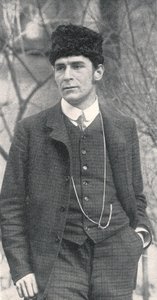
マルクはドイツ表現主義を代表する画家。動物を象徴的に描いた「青い馬の塔」など、鮮やかな色彩と精神性を融合させた作品が特徴。 ブルーライダーグループの創設者として、近現代美術に大きな影響を与えました。
§ 3解説
Animal Legend: A Symphony of Monochrome and Instinct
Franz Marc’s “Animal Legend,” created in 1912, stands as a cornerstone of German Expressionism—a movement that sought to convey raw emotion and spiritual truth through distorted forms and bold color palettes. More than just a depiction of animals, it's an embodiment of the Zeitgeist of its time: grappling with anxieties surrounding impending conflict while simultaneously yearning for connection to the primal forces of nature.
Composition and Technique: Flattened Space and Dynamic Lines
The artwork eschews traditional perspective, presenting a densely populated scene where animal figures overlap and intertwine. This deliberate flattening of space contributes to an overwhelming feeling of unity—a visual representation of interconnectedness—yet simultaneously generates tension through the arrangement’s chaotic energy. Marc skillfully employs woodcut technique, utilizing thick lines to define the animals' forms and vegetation, creating a palpable sense of movement. These angular lines disrupt any semblance of stillness, mirroring the turbulent emotions underlying the image.
Color Palette: The Power of Absence
Remarkably restrained in its color scheme—limited solely to black and white with varying shades of grey—the monochrome palette amplifies the artwork’s emotional impact. This deliberate absence of color isn't merely stylistic; it symbolizes purity, stripping away superficial distractions to reveal the essence of the subject matter. The tonal range is carefully manipulated to heighten contrast, emphasizing the dramatic interplay between light and dark and reinforcing the feeling of urgency.
Symbolism: Echoes of Primal Energy
"Animal Legend" delves into profound symbolic themes rooted in Marc’s fascination with animals as conduits for spiritual understanding. The depiction of horses, deer, and other creatures embodies instinctual behavior—a rejection of rational thought in favor of responding to immediate sensations. This imagery aligns with the broader Expressionist preoccupation with confronting anxieties about mortality and exploring the subconscious mind. Furthermore, the artist's monogram "M" subtly appears in the lower left corner, symbolizing Marc’s personal vision and reaffirming his belief in art’s capacity to communicate transcendent ideas.
Historical Context: Der Blaue Reiter and Artistic Rebellion
Created during the formative years of Der Blaue Reiter (“The Blue Rider”), a group of avant-garde artists who championed Symbolism and Intuition, “Animal Legend” reflects the movement's rejection of academic conventions. Marc’s work aligns with a broader cultural shift toward confronting existential questions—a response to the looming shadow of World War I—and prioritizing emotional expression over objective representation. Its legacy continues to inspire artists today who strive to capture the spirit of their time through bold artistic choices.
Q&A
「Animal legend」の素材とスタイルについて教えてください。
「Animal legend」は、Expressionism様式のWoodblock Printで制作されています。
「Animal legend」の中で、最も際立っている色はどれですか?
フランツ・マルク作「Animal legend」の主色(メインカラー)はBlack (#0e0e0e)です。
フランツ・マルク作「Animal legend」の制作年はいつですか?
フランツ・マルク作「Animal legend」は1912年に制作されました。


 プリント版に切り替え


 いずれかの辺が105 cm(約41インチ)を超えるアートワークまたは複製画の場合、フレームは分解されたキットの状態でお届けいたします。この方法は、輸送中の破損を防ぎ、安全に配送するために採用しております。


