

Acrylic On Canvas.

§ 1Catalogue data

著作権保護について
このページに掲載されている作品は著作権法によって保護されており、当社の許可なく同一の複製物を制作または販売することは法律で禁じられています。この保護は、以下のような国際条約に基づき執行されます。 ベルヌ条約 および、以下の条項に定められたものを含む各国の法律により、 米国著作権法 第17編。
敬意を払った法的な代替手段として、私たちはオリジナルにインスピレーションを与えられた、カスタムの手描きアートワークを提供しています。私たちの熟練したプロのアーティストは、元の作品が持つスタイル、情緒、そして芸術的なエッセンスを注意深く研究し、独自の創作物でありながら、同じ感性を呼び起こすような、新しくユニークな作品を作り上げます。
この手法は、著作権で保護された作品の複製や複写を伴わないため、著作権法に完全に準拠しています。これは単なる模倣ではなく、創造的な再解釈です。元の作品からインスピレーションを受けつつも、それとは異なる、全く新しい絵画を生み出すものです。
 詳細を見る
詳細を見る§ 2Abstract
コレクション詳細
アーティストプロフィール
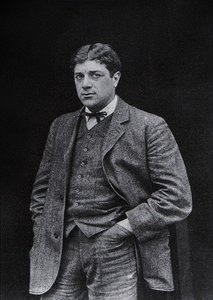
キュビスムの創始者の一人、ジョルジュ・ブラック(1882-1963)。「エスタックの家々」や「ギターを抱く男」など、パブロ・ピカソとの共同で革新的な芸術を生み出しました。分析的キュビスムからコラージュまで、モダニズム美術に多大な影響を与えた画家です。
§ 3Commentary
Georges Braque’s “The Order of Birds”: A Fragment of Cubist Harmony
“The Order of Birds,” created in 1914, stands as a testament to Georges Braque's pivotal role in shaping the nascent language of Cubism. This etching, executed during the height of artistic experimentation—a period marked by profound shifts away from traditional representation—captures an arresting stillness amidst dynamic geometric forms. It’s not merely a depiction of birds; it’s an embodiment of Braque’s revolutionary approach to visual perception and his desire to dismantle illusionistic space.- Subject Matter: The etching portrays two birds perched atop a sheet of paper, presenting a deceptively simple composition that belies the complex intellectual underpinning of Cubist theory.
- Style: Braque’s masterful manipulation of perspective and form aligns perfectly with the core tenets of Cubism—specifically Analytical Cubism—where objects are fragmented into interlocking planes to reveal their underlying structure.
Technique & Material Considerations
Braque employed a meticulous etching process, utilizing zinc plates treated with mordant acid and meticulously engraved with fine lines to achieve remarkable tonal gradations. The resulting image possesses an understated elegance—a deliberate contrast to the bold experimentation occurring across Europe at the time. Unlike Impressionists who sought to capture fleeting moments of light and color, Braque prioritized structural clarity, prioritizing geometric precision over sensory experience. This technique underscores his commitment to conveying not just what is seen but how it is perceived.Historical Context: The Birth of Cubism
“The Order of Birds” emerged from the crucible of artistic innovation that defined 1914—the year Picasso and Braque formally established Cubism alongside Pablo Cézanne. Influenced by Cézanne’s explorations of volume and spatial recession, artists like Braque sought to represent objects as they appear simultaneously from multiple viewpoints. This radical departure from academic conventions challenged the accepted norms of artistic representation, sparking heated debate within the art world and irrevocably altering the trajectory of modern painting. The etching reflects this intellectual fervor—a desire to dissect and reconstruct reality through geometric abstraction.Symbolism & Emotional Resonance
While seemingly devoid of overt narrative content, “The Order of Birds” carries a subtle symbolic weight. Birds have long been associated with freedom, aspiration, and spiritual contemplation – themes that resonate powerfully within the broader context of Cubist thought. The positioning of the birds on paper symbolizes the artist's attempt to capture an essence beyond mere visual appearance—a striving for intellectual understanding and aesthetic harmony. It invites viewers to consider not just what is depicted but also how it communicates deeper ideas about perception and representation.A Legacy of Geometric Precision
“The Order of Birds” remains a cornerstone of Braque’s oeuvre and exemplifies the transformative impact of Cubism on artistic practice. Its quiet contemplation—achieved through masterful etching technique—serves as an enduring reminder that beauty can be found in simplification and structural integrity. Reproductions offer collectors and interior designers alike the opportunity to experience this seminal artwork's understated elegance and intellectual depth, transporting them back to a pivotal moment in art history.よくあるご質問
ジョルジュ・ブラクエ作「The bird」は、どの芸術運動に属していますか?
ジョルジュ・ブラクエ作「The bird」はCubist Abstractionに属しています。このムーブメントは、本作の様式的な背景を形作るものです。
ジョルジュ・ブラクエ作「The bird」の複製画は、どのような用途に適していますか?
「The bird」のプリントのおすすめの使い方は、Accentです。
ジョルジュ・ブラクエ作「The bird」の雰囲気はどのように表現されていますか?
「The bird」は、Minimalistな雰囲気を纏っています。


 プリント版に切り替え


 いずれかの辺が105 cm(約41インチ)を超えるアートワークまたは複製画の場合、フレームは分解されたキットの状態でお届けいたします。この方法は、輸送中の破損を防ぎ、安全に配送するために採用しております。


