

1906. Oil On Canvas.

§ 1カタログデータ


本作品の著作権について
このページに掲載されている作品は著作権法によって保護されており、当社の許可なく同一の複製物を制作または販売することは法律で禁じられています。この保護は、以下のような国際条約に基づき執行されます。 ベルヌ条約 および、以下の条項に定められたものを含む各国の法律により、 米国著作権法 第17編。
敬意を払った法的な代替手段として、私たちはオリジナルにインスピレーションを与えられた、カスタムの手描きアートワークを提供しています。私たちの熟練したプロのアーティストは、元の作品が持つスタイル、情緒、そして芸術的なエッセンスを注意深く研究し、独自の創作物でありながら、同じ感性を呼び起こすような、新しくユニークな作品を作り上げます。
この手法は、著作権で保護された作品の複製や複写を伴わないため、著作権法に完全に準拠しています。これは単なる模倣ではなく、創造的な再解釈です。元の作品からインスピレーションを受けつつも、それとは異なる、全く新しい絵画を生み出すものです。
 詳しく読む
詳しく読む§ 2抽象
アーティストの略歴
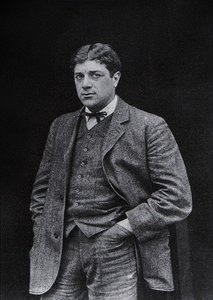
キュビスムの創始者の一人、ジョルジュ・ブラック(1882-1963)。「エスタックの家々」や「ギターを抱く男」など、パブロ・ピカソとの共同で革新的な芸術を生み出しました。分析的キュビスムからコラージュまで、モダニズム美術に多大な影響を与えた画家です。
§ 3解説
A Vibrant Symphony of Light and Life
In the sun-drenched landscape of 1906, Georges Braque captured a moment of pure, unadulterated vitality in his masterpiece, The Estaque. This painting serves as a breathtaking window into a bustling harbor town, where the rhythmic dance of boats upon the water meets the steady, enduring presence of the coastal architecture. As one gazes upon the canvas, the eye is immediately drawn to the lively movement within the harbor; at least twelve vessels of varying sizes drift across the shimmering surface, creating a sense of profound depth and perspective. The scene is not merely a static landscape but a living, breathing ecosystem of activity. Tiny, spirited figures populate the docks and decks, their presence adding a human pulse to the maritime setting. This delicate interplay between the vastness of the sea and the intimate details of daily life creates an atmosphere that is both expansive and deeply personal, inviting the viewer to step into this Mediterranean dream.
The emotional resonance of The Estaque lies in its ability to evoke a sense of nostalgic warmth and summer tranquility. For the art collector or interior designer, this piece offers more than just visual beauty; it provides an emotional anchor for a room. The painting radiates a certain joy—a celebration of light and leisure that can transform a modern living space into a sanctuary of calm and inspiration. There is a palpable sense of movement in the brushwork that suggests the gentle lapping of waves and the distant calls of sailors, making the artwork feel as though it is still vibrating with the energy of that summer day over a century ago.
The Dawn of Fauvism and Technical Mastery
Historically, The Estaque sits at a pivotal crossroads in the evolution of modern art. Painted during Braque's formative years, the work is a brilliant example of the Fauvist style, a movement characterized by its "wild" use of color and expressive brushstrokes. Before his later, more cerebral explorations into Cubism, Braque utilized this period to liberate color from its traditional descriptive role. In this painting, colors are not merely used to replicate reality but to amplify the emotional temperature of the scene. The vibrant hues and bold applications of paint demonstrate a technical mastery that balances spontaneous energy with structural composition.
The technique employed here is nothing short of masterful. Braque utilizes short, powerful strokes that build texture and form, allowing the light to appear as if it is dancing across the water's surface. This approach creates a tactile quality that makes a high-quality reproduction feel incredibly rich and layered. For those looking to adorn a sophisticated interior, the painting’s ability to command attention through its textural complexity and brilliant palette makes it an incomparable centerpiece. It stands as a testament to Braque's early genius—a moment where the technical precision of his craftsman heritage met the radical, expressive spirit of the avant-garde.
A Timeless Vision for the Modern Collector
Beyond its historical significance, The Estaque possesses a timeless aesthetic appeal that transcends eras. Its composition, which balances the ruggedness of the background town with the fluid grace of the foreground boats, offers a perfect harmony of structure and motion. This balance makes it an exceptionally versatile piece for various design aesthetics, from classic European elegance to contemporary minimalist settings. The painting does not merely decorate a wall; it narrates a story of light, movement, and the enduring charm of the French coast.
Investing in a reproduction of such a seminal work allows one to bring a piece of art history into the private sphere. It serves as a constant source of inspiration, reminding the observer of the beauty found in the simple, vibrant moments of existence. Whether placed in a sunlit study or a grand dining hall, The Estaque acts as a portal to a more luminous era, offering a sophisticated touch of French Impressionist and Fauvist splendor that continues to captivate the soul of every viewer.
Q&A
「The Estaque」は、ジョルジュ・ブラクエのこれまでの作風を象徴するものと言えるでしょうか?
ジョルジュ・ブラクエの代表的なテーマであるcézanne's influence, fauvist color exploration, early modernism development, pre-cubist transition, southern france landscapeにおいて、「The Estaque」はboats, people, harbor, water, town, landscapeに独自の焦点を当てています。
「The Estaque」において、素材と動きはどのように融合しているのでしょうか?
ジョルジュ・ブラクエ作「The Estaque」は、Oil On Canvasの技法とFauvismの様式を融合させた作品です。技法(テクニック)は制作手法を、様式(ムーブメント)はその作品のスタイルを表しています。
「The Estaque」の作者と制作年は?
「The Estaque」の作者はジョルジュ・ブラクエで、制作年は1906年です。


 プリント版に切り替え


 いずれかの辺が105 cm(約41インチ)を超えるアートワークまたは複製画の場合、フレームは分解されたキットの状態でお届けいたします。この方法は、輸送中の破損を防ぎ、安全に配送するために採用しております。


