

Acrylic On Canvas.

§ 1Catalogue data


著作権保護について
このページに掲載されている作品は著作権法によって保護されており、当社の許可なく同一の複製物を制作または販売することは法律で禁じられています。この保護は、以下のような国際条約に基づき執行されます。 ベルヌ条約 および、以下の条項に定められたものを含む各国の法律により、 米国著作権法 第17編。
敬意を払った法的な代替手段として、私たちはオリジナルにインスピレーションを与えられた、カスタムの手描きアートワークを提供しています。私たちの熟練したプロのアーティストは、元の作品が持つスタイル、情緒、そして芸術的なエッセンスを注意深く研究し、独自の創作物でありながら、同じ感性を呼び起こすような、新しくユニークな作品を作り上げます。
この手法は、著作権で保護された作品の複製や複写を伴わないため、著作権法に完全に準拠しています。これは単なる模倣ではなく、創造的な再解釈です。元の作品からインスピレーションを受けつつも、それとは異なる、全く新しい絵画を生み出すものです。
 詳細を見る
詳細を見る§ 2Abstract
コレクション詳細
Georges Braque’s ‘The Persian’ showcases a warm still life of vibrant yellow flowers in elegant vases, exemplifying early Cubist principles and offering a captivating glimpse into the artist's innovative approach to form and color. Discover this exquisite hand-painted reproduction.
アーティストプロフィール
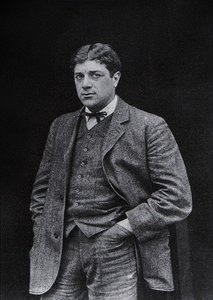
キュビスムの創始者の一人、ジョルジュ・ブラック(1882-1963)。「エスタックの家々」や「ギターを抱く男」など、パブロ・ピカソとの共同で革新的な芸術を生み出しました。分析的キュビスムからコラージュまで、モダニズム美術に多大な影響を与えた画家です。
§ 3Commentary
Georges Braque’s ‘The Persian’: A Study in Still Life and Cubist Fragmentation
Georges Braque's “The Persian” is more than just a depiction of flowers; it’s a pivotal moment in the evolution of modern art, a tangible expression of the anxieties and explorations that defined the early years of Cubism. Painted around 1910-1913, during his intensely collaborative period with Pablo Picasso, this still life reveals Braque's meticulous approach to dissecting form and presenting multiple perspectives simultaneously. The painting’s subject – a collection of vases brimming with vibrant yellow flowers alongside greenery – is rendered not as a straightforward representation but as an intellectual puzzle, inviting the viewer to actively participate in its reconstruction.
- Subject Matter: A meticulously arranged still life featuring various vases and floral arrangements.
- Color Palette: Dominated by warm yellows, greens, and browns, creating a sense of intimacy and naturalism.
- Composition: Characterized by a deliberate imbalance and fragmentation, anticipating the radical shifts in pictorial space that would become hallmarks of Cubism.
Technique and Materiality – The Foundations of Fragmentation
Braque’s technique in “The Persian” is remarkably precise, reflecting his background as a house painter and decorator. He employed oil paints with a controlled layering method, building up the image through thin glazes that create an almost velvety texture. This meticulousness is crucial to understanding the painting's impact; it wasn't simply about applying color but about manipulating light and shadow to suggest volume and form. The artist’s use of impasto – thick application of paint – particularly in the vases, adds a tactile quality, grounding the abstract explorations within a tangible reality. The subtle variations in tone and texture contribute significantly to the painting’s depth and complexity, demonstrating Braque's mastery of traditional oil painting techniques while simultaneously pushing them towards new expressive boundaries.
Historical Context: The Birth of Cubism
“The Persian” emerged during a period of profound artistic upheaval. Braque, along with Picasso, was at the forefront of a movement that challenged centuries of representational tradition. Influenced by Paul Cézanne’s emphasis on geometric forms and his exploration of multiple viewpoints, Braque began to break down objects into their constituent parts, presenting them from various angles within a single composition. This approach, known as Cubism, aimed to capture not just the appearance of an object but its underlying structure – its essence. The painting's fragmented planes and overlapping perspectives directly reflect this revolutionary aesthetic, foreshadowing the radical changes that would transform the art world.
Symbolic Resonance and Emotional Impact
While seemingly a simple still life, “The Persian” carries a subtle symbolic weight. The abundance of flowers – particularly the dominant yellow hue – often associated with joy, optimism, and enlightenment, suggests a desire for clarity and understanding amidst the intellectual turmoil of the time. The deliberate distortion of form and space evokes a sense of unease and disorientation, mirroring the anxieties of a rapidly changing world. Ultimately, “The Persian” is a powerful testament to Braque’s artistic vision – a bold experiment in perception that continues to resonate with viewers today, inviting us to contemplate the nature of reality itself.
よくあるご質問
Cubist Still Lifeの作品「The Persian」は、どの国のものですか?
「The Persian」は、フランスに生まれたジョルジュ・ブラクエによって、Cubist Still Lifeのムーブメントの中で制作されました。アーティストの出自は、この作品をフランスのアーティストたちが実践したCubist Still Lifeへと結びつけています。
「The Persian」は、ジョルジュ・ブラクエの作品群の中でどのような位置を占めているのでしょうか?
「The Persian」はジョルジュ・ブラクエによるCubist Still Lifeの作品であり、その記録されたテーマにはanalytical cubism, european art, formal composition, geometric forms, deconstruction, spatial illusion”, “braque’s early explorations, experimentationが含まれます。
「The Persian」に著作権はかかっていますか?
著作権について、「The Persian」は著作権により保護されていますです。


 プリント版に切り替え


 いずれかの辺が105 cm(約41インチ)を超えるアートワークまたは複製画の場合、フレームは分解されたキットの状態でお届けいたします。この方法は、輸送中の破損を防ぎ、安全に配送するために採用しております。


