

Acrylic On Canvas.

§ 1Catalogue data


著作権保護について
このページに掲載されている作品は著作権法によって保護されており、当社の許可なく同一の複製物を制作または販売することは法律で禁じられています。この保護は、以下のような国際条約に基づき執行されます。 ベルヌ条約 および、以下の条項に定められたものを含む各国の法律により、 米国著作権法 第17編。
敬意を払った法的な代替手段として、私たちはオリジナルにインスピレーションを与えられた、カスタムの手描きアートワークを提供しています。私たちの熟練したプロのアーティストは、元の作品が持つスタイル、情緒、そして芸術的なエッセンスを注意深く研究し、独自の創作物でありながら、同じ感性を呼び起こすような、新しくユニークな作品を作り上げます。
この手法は、著作権で保護された作品の複製や複写を伴わないため、著作権法に完全に準拠しています。これは単なる模倣ではなく、創造的な再解釈です。元の作品からインスピレーションを受けつつも、それとは異なる、全く新しい絵画を生み出すものです。
 詳細を見る
詳細を見る§ 2Abstract
コレクション詳細
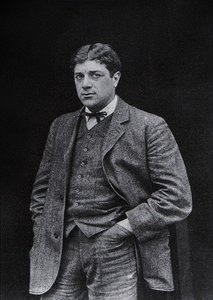
This description focuses on highlighting the key elements of the artwork – the subject's appearance, the artist, and the style (Cubism). It aims to be engaging and informative for potential viewers.
アーティストプロフィール
キュビスムの創始者の一人、ジョルジュ・ブラック(1882-1963)。「エスタックの家々」や「ギターを抱く男」など、パブロ・ピカソとの共同で革新的な芸術を生み出しました。分析的キュビスムからコラージュまで、モダニズム美術に多大な影響を与えた画家です。
§ 3Commentary
Georges Braque’s Enigmatic Figure: A Study in Fragmentation and Emotion
Georges Braque's "untitled (3736)" presents a captivating enigma, a portrait that transcends simple representation and plunges into the heart of early 20th-century artistic experimentation. This work, created around 1910 – a pivotal year for Braque’s development alongside Picasso – is not merely a depiction of a woman; it's an exploration of form, texture, and the very nature of seeing. The image depicts a figure adorned with a complex layering of painted elements: circles, geometric shapes, and fragmented patterns that seem to both cover and reveal her body. These aren’t decorative flourishes but rather integral components of a deliberate visual strategy, reflecting Braque's burgeoning interest in deconstructing traditional artistic conventions.
The painting’s foundation lies firmly within the nascent stages of Cubism, an art movement born from a desire to move beyond single-point perspective and capture multiple viewpoints simultaneously. Braque, alongside Picasso, was instrumental in pioneering this revolutionary approach. Here, we see echoes of that experimentation – the figure's body is broken down into geometric planes, suggesting a simultaneous view rather than a singular one. The deliberate flattening of space, combined with the overlapping and interlocking shapes, creates an unsettling yet compelling sense of dynamism. It’s important to remember that Braque’s early Cubist works were deeply influenced by Paul Cézanne's emphasis on structure and geometric forms within nature; he sought to translate Cézanne’s principles into a purely abstract visual language.
The Language of Surface: Technique and Materiality
Braque’s technique in "untitled (3736)" is remarkably tactile. The application of paint is deliberately rough, with visible brushstrokes that contribute to the painting's overall sense of energy and movement. He employs a layering process – applying thin washes followed by thicker impasto – creating a rich surface texture that invites close examination. Notice how the painted elements aren’t seamlessly integrated; there are areas where the paint appears to be actively applied, almost as if the figure is being ‘painted’ onto herself. This technique speaks to Braque's fascination with materiality and his desire to explore the inherent qualities of paint itself.
The use of color is restrained – primarily muted earth tones punctuated by occasional bursts of brighter hues. This palette reinforces the painting’s sense of introspection and quiet contemplation, contrasting sharply with the vibrant palettes often associated with Fauvism, a movement Braque initially embraced. The deliberate choice of colors further emphasizes the fragmented nature of the image, suggesting that perception is inherently subjective and incomplete.
Symbolic Layers: Body, Artifice, and Identity
The most intriguing aspect of "untitled (3736)" lies in its symbolic layers. The figure’s body, covered in painted designs, blurs the boundaries between art and reality. Is she a self-portrait? A representation of an artist's creative process? Or perhaps a meditation on the role of the female form within the artistic realm? The circles and geometric shapes could be interpreted as symbols of wholeness, cycles, or even the fragmented nature of identity itself – themes that were increasingly explored by artists at the time.
Furthermore, the act of painting *on* the figure raises questions about agency and representation. The woman becomes both subject and object, her body transformed into a canvas for artistic expression. This blurring of boundaries reflects the broader anxieties and uncertainties of the early 20th century, a period marked by rapid social and technological change.
Emotional Resonance: A Portrait of Uncertainty
"untitled (3736)" is not a conventionally beautiful image; it’s unsettling, complex, and profoundly evocative. The figure's raised arms create a sense of yearning or perhaps defiance, while her enigmatic expression invites the viewer to project their own emotions and interpretations onto the scene. The painting captures a moment of intense introspection – a feeling of being both present and detached, grounded in reality yet adrift in a sea of possibilities.
Reproductions of this work offer a unique opportunity to engage with Braque’s groundbreaking artistic vision. AllPaintingsStore's hand-painted reproductions faithfully capture the texture, color, and emotional depth of the original, allowing you to experience the power of this enigmatic portrait firsthand. It is a piece that rewards repeated viewing, revealing new layers of meaning with each encounter.
よくあるご質問
ジョルジュ・ブラクエ作「untitled (3736)」 の色彩の鮮やかさはどの程度ですか?
ジョルジュ・ブラクエ作「untitled (3736)」は、Vividな色彩の強さを備えています。
Cubismの作品「untitled (3736)」は、どのような感情を伝えていますか?
「untitled (3736)」は、Cubismのムーブメントにおいて、Reflectiveな情緒を湛えています。
「untitled (3736)」のスタイルは、作者の時代背景とどのように関わっていますか?
ジョルジュ・ブラクエ作「untitled (3736)」において、Cubismの潮流と近代美術の時代が融合しています。


 プリント版に切り替え


 いずれかの辺が105 cm(約41インチ)を超えるアートワークまたは複製画の場合、フレームは分解されたキットの状態でお届けいたします。この方法は、輸送中の破損を防ぎ、安全に配送するために採用しております。


