

1902. キャンバスにアクリル絵具.

§ 1Catalogue data


§ 2Abstract
コレクション詳細
Experience Klimt's 'Beech Forest,' a captivating 1902 Symbolist masterpiece blending Art Nouveau & nature. Vibrant colors & intricate detail evoke tranquility.
 続きを読む
続きを読む
アーティストプロフィール
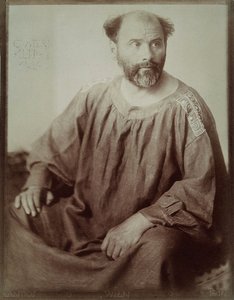
グスタフ・クリムト(1862-1918)は、象徴主義とアールヌーヴォーの巨匠。代表作『接吻』や官能的な肖像画で知られ、ウィーン分離派を牽引しました。金箔を多用した装飾性と、愛と死をテーマにした作品が魅力です。
§ 3Commentary
Beech Forest: A Symbolist Masterpiece by Gustav Klimt
- Artist: gustave klimt
- Year: 1902
- Medium: Oil on canvas
- Location: Dresden State Art Collections, Galerie Neue Meister
A Glimpse into a Serene Woodland
Gustav Klimt's "Beech Forest" (1902) transports viewers to a tranquil and dreamlike forest scene. This oil on canvas painting exemplifies Klimt’s unique blend of Symbolism and Art Nouveau, showcasing his mastery in capturing both natural beauty and profound symbolic meaning. The artwork depicts a dense beech forest bathed in warm light, with vibrant orange leaves creating an inviting atmosphere. Klimt's meticulous brushwork renders the intricate details of the tree bark and foliage, while horizontal lines throughout the composition contribute to a sense of depth and serenity. It’s a visual invitation to step into a world where nature reigns supreme.Symbolism and Interpretation
Beyond its aesthetic appeal, "Beech Forest" is rich in symbolism. The beech trees themselves represent strength, resilience, and longevity – qualities deeply valued within Austrian culture at the time. The forest as a whole symbolizes the cyclical nature of life, reflecting themes of growth, decay, and renewal. Klimt’s use of color further enhances these symbolic layers; the warm oranges evoke feelings of comfort and vitality, while the darker greens suggest mystery and introspection. The absence of human figures encourages contemplation on humanity's relationship with the natural world, suggesting a harmonious coexistence rather than dominance. The painting explores themes of nature's power and its ability to inspire awe and tranquility.Artistic Influences and Style
Klimt’s style in "Beech Forest" is deeply rooted in Art Nouveau and Symbolism. He moves away from strict realism, embracing a more decorative and stylized approach. While the painting depicts a recognizable forest scene, Klimt employs flattened perspectives and simplified forms, characteristic of his unique visual language. The influence of Japanese woodblock prints can be observed in the composition's emphasis on pattern and design. Unlike some of Klimt’s more opulent works featuring gold leaf, "Beech Forest" demonstrates a restraint in ornamentation, allowing the natural beauty of the subject to shine through. This painting showcases Klimt's ability to balance realism with abstraction, creating an ethereal and dreamlike quality that captivates the viewer.Legacy and Impact
“Beech Forest” holds a significant place within Klimt’s oeuvre and in the broader context of early 20th-century art. As part of the Dresden State Art Collections, it stands as a testament to Klimt's innovative approach to painting and his lasting influence on subsequent artistic movements like Expressionism and Surrealism. The work continues to inspire artists and designers today, demonstrating the enduring power of Klimt’s vision. Its depiction of nature’s beauty combined with symbolic depth makes "Beech Forest" a timeless masterpiece that resonates with audiences across generations.よくあるご質問
「Beech Forest」は、何年に、どの様式(ムーブメント)で制作されたものですか?
「Beech Forest」は1902年に制作され、Art Nouveauの様式に属しています。
「Beech Forest」の作者は?
「Beech Forest」を手がけたアーティストはグスタフ・クリムトです。この作品はグスタフ・クリムトの名でカタログに登録されています。
「Beech Forest」(1902)は、グスタフ・クリムトのキャリアにおけるどの時期の作品にあたりますか?
1902年という制作時期は、グスタフ・クリムトの画業におけるEarly 20th Centuryに「Beech Forest」を位置づけています。


 プリント版に切り替え


 いずれかの辺が105 cm(約41インチ)を超えるアートワークまたは複製画の場合、フレームは分解されたキットの状態でお届けいたします。この方法は、輸送中の破損を防ぎ、安全に配送するために採用しております。


