

1862. 油彩 キャンバス, 120.0 x 74.0 cm. メトロポリタン美術館.

§ 1Catalogue data

- 120.0 x 74.0 cm


§ 2Abstract
コレクション詳細
Gustave Courbet’s ‘The Source’ (1862) is a revolutionary Realist masterpiece depicting a nude woman before a waterfall, challenging artistic conventions and celebrating raw beauty & nature's power.
 続きを読む
続きを読む
アーティストプロフィール
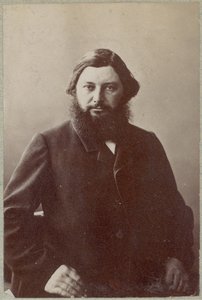
クールベは19世紀を代表する写実主義の画家。農村の葬儀や石割りといった日常風景を大胆に描き出し、芸術界に衝撃を与えました。『オルナンの埋葬』『石割りの人々』など、社会性も反映した作品群は、後の印象派・ポスト印象派に大きな影響を与えました。
§ 3Commentary
The Source: A Revolutionary Embrace of Reality
Gustave Courbet’s “The Source,” completed in 1862, stands as an undeniable cornerstone of Realism—a movement that vehemently rejected the idealized conventions of Romantic art and championed a brutally honest depiction of everyday life. More than just a painting; it's a manifesto declaring defiance against artistic dogma and asserting the primacy of observation.
- Artist: Gustave Courbet (1819-1877) – A rebellious spirit who challenged academic norms with unwavering conviction.
- Dimensions: 120 x 74 cm – Its substantial size commands attention, mirroring the artist’s ambition to convey grandeur and immediacy.
- Location: The Metropolitan Museum of Art, New York City – A testament to its enduring significance within art history.
The painting portrays a nude woman positioned before a waterfall or fountain, her back turned towards the viewer—a deliberate choice that underscores Courbet’s rejection of traditional female figures modeled after classical ideals. Instead, he presents us with an unvarnished portrayal of femininity, stripped bare of embellishment and imbued with palpable vulnerability.
Composition & Elements: The scene unfolds against a backdrop of rugged rocks and verdant trees—a carefully constructed landscape designed to heighten the emotional impact of the central figure. A potted plant adds depth and textural complexity, subtly reinforcing the painting’s connection to the natural world. Courbet's meticulous brushstrokes capture the shimmering surface of the water, conveying its coolness and dynamism.
Historical Context & Influence: Courbet’s work emerged in response to the prevailing artistic landscape of France during his time—a period dominated by academic art that prioritized idealized beauty and mythological narratives. He actively opposed these conventions, aligning himself with artists like Jean-Auguste-Dominique Ingres who had previously championed a more restrained aesthetic. Ingres's painting “The Source,” exhibited in Paris the preceding year, served as an indirect stimulus for Courbet’s own artistic exploration—a shared preoccupation with capturing the essence of natural beauty and rejecting artificial ornamentation.
Artistic Movement: “The Source” epitomizes Realism—a movement characterized by its unflinching commitment to portraying subjects in a truthful and accurate manner. Unlike Romantic art's penchant for emotional excess and imaginative embellishment, Realism sought to represent the world as it appeared to ordinary people—without sentimentality or moral judgment. Courbet’s stylistic innovations—particularly his use of bold color palettes and loose brushwork—were instrumental in shaping the trajectory of subsequent artistic movements, including Impressionism and Cubism.
Symbolism & Emotional Impact: Beyond its formal qualities, “The Source” resonates with profound symbolic significance. The woman’s posture—facing away from the viewer—suggests introspection and contemplation—a deliberate gesture that invites viewers to engage in a dialogue about beauty, vulnerability, and the relationship between humanity and nature. Courbet's masterful depiction of light and shadow contributes to the painting’s evocative atmosphere—creating an image that transcends mere representation and speaks directly to the human spirit.
Related Works: Courbet’s artistic legacy extends beyond “The Source,” encompassing masterpieces such as “Woman with a Parrot” (1866) and “Nude with Flowering Branch” (1862)—all housed at The Metropolitan Museum of Art. These paintings demonstrate Courbet's unparalleled ability to capture the sublime beauty of everyday life—challenging artistic conventions and establishing him as one of the most influential artists of his era.
よくあるご質問
「The Source」にはどのような感情が込められていますか?
ギュスターヴ・クールベ作「The Source」は、内省的なな情緒を伝えています。
「The Source」が制作されたとき、ギュスターヴ・クールベは何歳でしたか?
ギュスターヴ・クールベは、1862年に「The Source」を制作した際、43歳でした。この年齢は、アーティストの誕生年である1819年から算出されています。
ギュスターヴ・クールベ作「The Source」は、どの部屋に飾るのがおすすめですか?
ギュスターヴ・クールベ作「The Source」 は、リビングルーム に飾るのがおすすめです。作品の主題、色彩、そして雰囲気に合わせたご提案です。


 プリント版に切り替え


 いずれかの辺が105 cm(約41インチ)を超えるアートワークまたは複製画の場合、フレームは分解されたキットの状態でお届けいたします。この方法は、輸送中の破損を防ぎ、安全に配送するために採用しております。


