


 設置イメージを表示

 シェアする
 シェアする
 詳細を見る
 ガイドを表示


 ダウンロード
 似ている作品
 X線調査
 スライドショーを表示
 Q&A
 統計情報
Hammock


 詳細を表示
ジークレー/アートプリント
スピーディーな制作と多彩な仕上げオプションが魅力の、ミュージアムクオリティなジークレー・キャンバスプリント。 ( 手描き複製画を注文する デジタル画像販売へ切り替え)
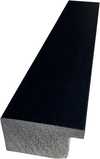
P118B ¥10
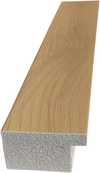
P118H ¥10
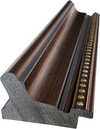
P118W ¥10
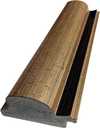
P438Z ¥10
P508JH ¥12

P508YH ¥12
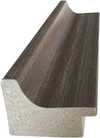
P805H ¥10
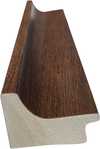
P805Z ¥10
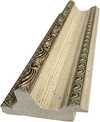
P919BZ ¥10
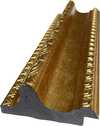
P919G ¥10
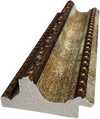
P919XJ ¥10
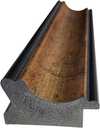
P959ZH ¥10
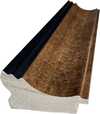
P968JZ ¥12
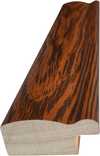
W106C ¥8
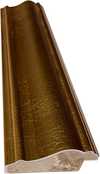
W218G ¥10
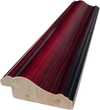
W218JH ¥8
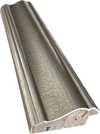
W218Y ¥10
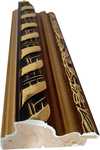
W307PJ ¥10

W316G ¥10
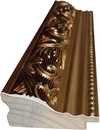
W316PJ ¥8
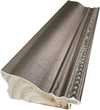
W316Y ¥10
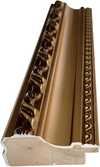
W398PJ ¥8
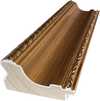
W4111J ¥10
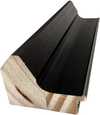
W500HY ¥15
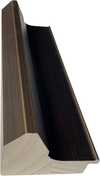
W500JH ¥15
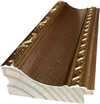
W692G ¥12
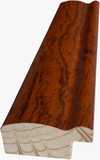
W849H ¥8
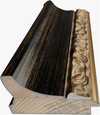
W940BG ¥15
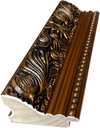
W953PJ ¥8
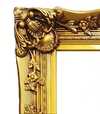
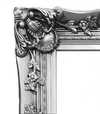
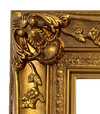
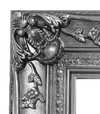
作品のオリジナル比率に合わせた、当店の規定サイズからお選びください。

額縁や壁のスペースに合わせて、ご希望の幅と高さを入力してください。プリントはカットすることは可能ですが、元の画像より大きくすることはできないため、異なる比率のサイズを選択された場合は、画像の一部が欠けることになります。印刷を開始する前に、内容を確認していただくためのデジタルモックアップをお送りいたします。このページに表示されている画像は、実際のカット後の状態を示すものではありません。実際の仕上がりはモックアップにてご確認ください。


 ガラスオプションは、110cm未満のサイズでのみご利用いただけます。

Hammock
ジークレー/アートプリント
複製画サイズ一覧
-


合計金額
¥ 10284
A Vision of Serenity
In his 1923 masterpiece, Hammock, Henri Lebasque invites the viewer into a luminous realm of domestic tranquility. This oil on canvas is far more than a mere depiction of a woman at rest; it is a profound exploration of light and color that captures the very essence of a fleeting, idyllic moment. Through his signature Impressionistic brushwork, Lebasque transforms a simple scene of leisure into a poetic meditation on peace. The composition is defined by a sense of rhythmic harmony, where the soft, dappled sunlight filtering through the trees dances across the canvas, creating a visual symphony of warmth and repose.
The subject, a young woman seated comfortably within the embrace of a hammock, serves as the emotional anchor of the work. Her relaxed posture evokes a sense of profound contentment, offering a quiet escape from the complexities of the modern world. Lebasque’s mastery of color is particularly evident in his use of complementary hues—vibrant reds and yellows—which create a balanced and harmonious tension against the lush, textured foliage. This interplay of light and shade, rendered with thick impasto, imbues the scene with a tactile richness that draws the observer into its serene, sun-drenched atmosphere.
Visual Composition and Details
The artwork features a woman positioned in a hammock strung between two trees. The hammock itself is characterized by its distinct red, yellow, and blue stripes. Surrounding the central figure, the scene is enriched by the presence of two potted plants, one situated on the left and another on the right. Additionally, a vase is placed near the bottom left corner of the composition.
Technical Details:
- Medium: Oil on canvas
- Date: 1923
- Inscriptions: Signed and dated lower right: Lebasque 23
Q&A
「Hammock」の色味は、どの程度鮮やかですか?
アンリ・ルバスク作「Hammock」は、Subtle Colorの彩度とBalancedの強烈な色彩で描かれています。
アンリ・ルバスク作「Hammock」を特徴づける技法やスタイルは何ですか?
「Hammock」は、Post-Impressionist Landscape様式のAcrylic On Canvasで制作されています。
「Hammock」は、アンリ・ルバスクのこれまでの作風を象徴するものと言えるでしょうか?
「Hammock」はoutdoor relaxation, female figure, hammock motif, floral arrangement, color palette, summer scene, decorative artを描いていますが、アンリ・ルバスクのこれまでの主要なテーマはlebasque’s impressionistic style, domestic tranquility & beauty, symbolic floral decoration, celebration of leisure life, reflecting parisian charmです。この二つを比較することで、本作が作家の恒常的な主題とどのように結びついているかが浮き彫りになります。
関連作品


作家プロフィール
A Painter of Joy and Light: The Life and Art of Henri Lebasque
Henri Lebasque, a name perhaps less immediately recognized than some of his Post-Impressionist contemporaries, nevertheless occupies a significant place in the artistic landscape of early 20th-century France. Born in Champigné, Maine-et-Loire, in 1865, Lebasque’s journey toward becoming a celebrated painter was one marked by diligent study, evolving influences, and an unwavering commitment to capturing beauty in everyday life. His early education at the École régionale des beaux-arts d'Angers provided a foundational grounding, but it was his move to Paris in 1886 that truly ignited his artistic development. There, under the tutelage of Léon Bonnat and through assisting Ferdinand Humbert with decorative murals at the Panthéon, he honed his technical skills while immersing himself in the vibrant Parisian art scene. This period proved crucial, bringing him into contact with pivotal figures like Camille Pissarro and Auguste Renoir, whose emphasis on light and color would profoundly shape his aesthetic sensibilities.Early Influences and Artistic Formation
Lebasque’s formative years were steeped in artistic tradition. He initially pursued classical studies at the École supérieure des beaux-arts de Paris, absorbing the lessons of academic painting—a discipline that prioritized meticulous detail and idealized representations. However, it was his encounter with Impressionism – particularly the work of Claude Monet and Pierre-Auguste Renoir – that irrevocably altered his artistic trajectory. The Impressionists’ revolutionary technique of capturing fleeting moments of light and color challenged the conventions of realism, prompting Lebasque to experiment with looser brushstrokes and brighter hues. This exposure instilled in him a fascination for atmospheric perspective and an appreciation for the expressive potential of color—elements that would become integral to his distinctive style.The Embrace of Les Nabis: A Dialogue with Intimacy
Around 1890, Lebasque joined Les Nabis – a group of artists who championed a radically different aesthetic vision. Led by Édouard Vuillard and Pierre Bonnard, the Nabis rejected grand narratives and monumental scale, instead focusing on domestic interiors and intimate portraits—scenes that conveyed profound emotional resonance. This affiliation profoundly impacted Lebasque’s artistic sensibilities, fostering in him a desire to depict human experience with sensitivity and nuance. The Nabis' meticulous attention to detail—particularly their use of muted colors and flattened forms—served as a catalyst for Lebasque’s own stylistic innovations. He meticulously observed the subtleties of light and shadow, striving to capture the essence of his subjects with remarkable accuracy.Chromatic Harmony: Technique and Artistic Vision
Lebasque's artistic technique was characterized by a masterful command of color—a cornerstone of both Impressionism and Chromoluminarism. He employed a layered approach, applying thin washes of pigment over multiple coats to achieve luminous effects that defied conventional representation. Lebasque skillfully utilized complementary color pairings – blues and oranges, reds and greens – to create visual excitement while maintaining an overall sense of balance and harmony. This meticulous attention to color theory—influenced by the theories of Georges Seurat and Paul Signac—allowed him to imbue his canvases with an extraordinary vibrancy and depth. His brushstrokes were deliberate and expressive, conveying emotion through subtle variations in texture and tone.A Legacy of Serenity: Recognition and Artistic Significance
Throughout his prolific career, Lebasque garnered considerable acclaim for his artistic achievements. He participated in numerous Salon exhibitions—including the Salon d’Automne, which he helped establish alongside Henri Matisse—and secured commissions for decorative murals at prestigious venues such as the Champs-Élysées theatre and on transatlantic liners. His paintings are now housed in prominent museums across France and internationally—demonstrating his enduring artistic influence and securing his place among the most celebrated figures of Post-Impressionism. Lebasque’s unwavering commitment to capturing beauty in everyday life—his ability to convey profound emotion through simple compositions—continues to inspire artists and viewers alike, cementing his legacy as a painter of joy and light.
アンリ・ルバスク
1865 - 1937 , フランス
プロフィール概要
- Artistic Movement Or Style: 印象派の後継者
- Artists Or Movements Influenced By This Artist: ['キュビスム']
- Artists Who Influenced This Artist:
- ピサロー氏
- ルノワール氏
- Date Of Birth: 1865年9月25日
- Date Of Death: 1937年8月7日
- Full Name: Henri Baptiste Lebasque
- Nationality: フランス人
- Notable Artworks: ['マドモアゼル・レベスと彼女の娘たち']
- Place Of Birth: フランス・シャンピニエ
関連記事

Mastering Abstraction: The Top 25 Essential Works by Wassily Kandinsky
Explore 25 iconic Kandinsky masterpieces and the birth of abstraction. Discover the full collection online at AllPaintingsStore.com.

Mastering Light: The 25 Most Iconic Landscapes by Jean-Baptiste-Camille Corot
Immerse yourself in the serene landscapes of Jean-Baptiste-Camille Corot. Explore 25 iconic masterpieces of the Barbizon school, from misty forests to golden light. Find inspiration for museum-quality art reproductions and decor. Discover all masterpieces on AllPaintingsStore.com.

Mastering the Machine Age: The Top 25 Fernand Léger Artworks
Immerse yourself in the vibrant world of Fernand Léger. Explore 25 iconic Cubist masterpieces, from bold Tubism to machine-age aesthetics. Find inspiration for your decor with museum-quality art reproductions. Discover all masterpieces on AllPaintingsStore.com.