

Acrylic On Canvas.

§ 1カタログデータ

§ 2抽象
作品解説
 詳細を表示
詳細を表示
§ 3解説
A Vision of Suffering and Divine Judgment
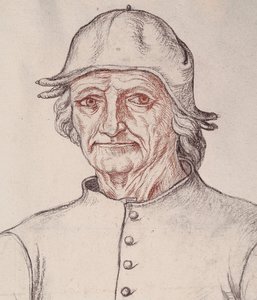
Hieronymus Bosch’s “Cripples” stands as a chilling testament to the anxieties of the Northern Renaissance, capturing not merely physical deformity but a profound psychological unease. Painted around 1500, this enigmatic triptych—a monumental work measuring approximately 31.4 × 21 cm (12.3 × 8.3 inches)—immediately confronts the viewer with an unsettling panorama of grotesque figures engaged in bizarre activities within a meticulously crafted architectural setting.
Bosch’s artistic genius resided in his ability to fuse religious allegory with fantastical imagery, creating scenes that simultaneously depict earthly suffering and foreshadow divine retribution. The composition is dominated by rows of crippled individuals—men, women, and children—each bearing visible signs of injury or disability. These figures are not merely presented as victims of misfortune; they embody a broader critique of human weakness and vulnerability in the face of God’s judgment.
Technical Mastery: Line and Texture
The painting's remarkable detail is achieved through masterful draughtsmanship utilizing ink and pen on paper—a technique characteristic of Bosch’s workshop. Lines are employed with astonishing precision, establishing a grid-like structure that lends order to the chaotic scene while simultaneously emphasizing the contours of each figure. Crosshatching creates rich textures, conveying the roughness of clothing and skin, adding depth and visual interest.
Bosch's meticulous attention to detail extends beyond mere representation; it serves as a conduit for conveying emotion. The muted palette—primarily browns, ochres, and blacks—contributes to an atmosphere of gloom and despair. Light is diffused, lacking any dramatic highlights, reinforcing the painting’s solemn mood.
Symbolism and Interpretation
“Cripples” overflows with symbolic references rooted in medieval Christian thought. The crippled figures represent humanity's fallen state—burdened by sin and destined for eternal punishment. Their postures convey helplessness and despair, mirroring the theological concept of purgatory—a realm of purification where souls endure torment before entering heaven.
Furthermore, Bosch’s depiction of fantastical creatures—winged demons, grotesque animals—underscores the pervasive influence of folklore and superstition during his time. These elements serve as reminders that earthly existence is fraught with peril and that salvation requires unwavering faith. The painting's unsettling imagery continues to fascinate scholars and artists alike, prompting ongoing debate about its precise meaning and enduring legacy.
A Legacy of Horror
“Cripples” remains one of Bosch’s most arresting works—a haunting portrayal of human suffering and divine judgment that transcends its historical context. Its meticulous technique, combined with its profound symbolic content, secures its place as a cornerstone of Northern Renaissance art and a timeless exploration of the darker recesses of the human psyche.
Q&A
「Cripples」のNorthern Renaissanceには、どの国のルーツが反映されているのでしょうか?
「Cripples」は、オランダ出身のヨルハナムス・ボッシュによって、Northern Renaissanceの潮流の中で制作されました。アーティストの出自は、この作品をオランダの作家たちが実践したNorthern Renaissanceへと結びつけています。
「Cripples」にはどのような主題があり、どのような雰囲気を感じさせますか?
「Cripples」にはmedieval, disability, symbolism, surrealism, religious allegory, detail, line drawingが描かれており、その情緒はDramaticと表現されています。
ヨルハナムス・ボッシュ作「Cripples」は、どの芸術運動や時代に属していますか?
ヨルハナムス・ボッシュ作「Cripples」には、Northern Renaissanceの潮流とルネサンスの時代が融合しています。


 プリント版に切り替え


 いずれかの辺が105 cm(約41インチ)を超えるアートワークまたは複製画の場合、フレームは分解されたキットの状態でお届けいたします。この方法は、輸送中の破損を防ぎ、安全に配送するために採用しております。


