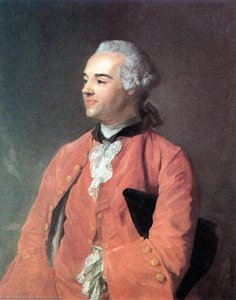
Dumpy level
手描き油彩複製画
当社のアーティストが、お客様のご希望のサイズと額縁に合わせて、キャンバスに手描きで制作する油彩画です。 ( プリント版に切り替え
デジタル画像販売へ切り替え)
P118B ¥10
P118H ¥10
P118W ¥10
P438Z ¥10
P508JH ¥12
P508YH ¥12
P805H ¥10
P805Z ¥10
P919BZ ¥10
P919G ¥10
P919XJ ¥10
P959ZH ¥10
P968JZ ¥12
W106C ¥8
W218G ¥10
W218JH ¥8
W218Y ¥10
W307PJ ¥10
W316G ¥10
W316PJ ¥8
W316Y ¥10
W398PJ ¥8
W4111J ¥10
W500HY ¥15
W500JH ¥15
W692G ¥12
W849H ¥8
W940BG ¥15
W953PJ ¥8
作品のオリジナル比率に合わせた、当店の規定サイズからお選びください。
特定のフレームやスペースに合わせて、ご希望のサイズをご入力いただけます。選択されたサイズが元の画像の比率と異なる場合、アートワークをトリミングするか、手描きで要素を追加して絵画を拡張いたします。デジタルモックアップ を制作し、制作開始前にご確認(承認)をいただきます。
画面上のプレビューは、実際のトリミングや拡張を正確に反映しているものではありません。最終的な構図は、モックアップによってのみ正確にご確認いただけます。
カスタムサイズもご利用いただけますが、元の比率を維持するためには、あらかじめ用意されたリストからサイズを選択することをお勧めいたします。
ご注文後、AllPaintingsStore.com チームより詳細な指示をお送りするとともに、仕上がりイメージ(モックアップ)をご提供いたします。
Dumpy level
再現技法
複製画サイズ一覧
-
合計金額
¥ 40018
よくあるご質問
「Dumpy level」の色使いは、鮮やかでしょうか、それとも淡い感じでしょうか?
「Dumpy level」の彩度はMonochromaticです。彩度とは、色の鮮やかさの度合いを表します。
Jacques Canivet作「Dumpy level」の配色(パレット)はどのように表現されていますか?
Jacques Canivet作「Dumpy level」のパレットはEarthyと表現されています。これは、作品の色使いを簡潔にまとめたものです。
「Dumpy level」における光と影のバランスは、どのように表現されていますか?
「Dumpy level」の全体的な明るさはbrightで、輝度はGentle Luminanceです。
「Dumpy level」のNeoclassicismの背景には、どの国のルーツがあるのでしょうか?
「Dumpy level」は、その作者の出生地を通じて、Neoclassicism運動とFranceを結びつけています。
「Dumpy level」に似た作品はありますか?
Jacques Canivet作「Dumpy level」に似た作品は、作品の似ている作品ページにまとめられています。
Jacques Canivet作「Dumpy level」の色彩構成はどのように構築されていますか?
Jacques Canivet作「Dumpy level」 の色彩分析は、Balanced なコントラストと Unified Palette な調和を記録しています。
「Dumpy level」はいつ制作されましたか?
「Dumpy level」は1733年に制作されました。この制作年は、Jacques Canivetのキャリアおよびその時代の文脈において、本作を位置づけるものです。
Jacques Canivet作「Dumpy level」のコントラストはどの程度ですか?
「Dumpy level」の明暗のコントラストはBalancedと記録されています。コントラストとは、明るい部分と暗い部分がどの程度強く異なっているかを表す指標です。
関連作品
アーティストについて
Jacques Canivet: The Silent Maker of Parisian Instruments
Jacques Canivet (1714-1773) remains a figure shrouded in scholarly curiosity, largely absent from the popular narrative of 18th-century France. Yet, his contribution to scientific instrumentation—a legacy quietly shaping the intellectual landscape of Paris—is undeniable. Born into a family steeped in craftsmanship and tradition, Canivet’s path diverged from the grand salons of Versailles, finding its focus instead within the workshops of Lordelle and Jean Chapotot, where he honed his skills alongside Claude Langlois, establishing himself as a pivotal figure in the burgeoning field of scientific measurement.- Early Life & Apprenticeship: Canivet’s formative years were spent mastering the art of instrument making—a craft passed down through generations—laying the groundwork for his future endeavors. His association with Langlois, a celebrated maker known for his meticulous attention to detail and innovative designs, proved invaluable in shaping his artistic sensibilities.
- The Workshop Legacy: Following Langlois’s death in 1756, Canivet assumed leadership of the workshop, inheriting not only expertise but also a reputation for excellence. This continuity ensured that the traditions of precision and artistry persisted—a testament to the enduring power of familial craftmanship.
- Instrument Production & Innovation: Canivet’s output spanned an impressive array of instruments – compasses, graphometers, astronomical quadrants, transit instruments, drawing instruments, and even parallactic machines. These creations weren't merely tools; they were embodiments of Enlightenment ideals—instruments designed to unlock the secrets of the cosmos and advance scientific understanding.
A Patron of Science & Artistic Vision
Canivet’s involvement extended beyond mere fabrication. He served as supplier of instruments to the Académie Royale des Sciences in Paris, actively collaborating with leading thinkers and scientists of his time. This engagement fostered a symbiotic relationship between artistic skill and intellectual pursuit—a hallmark of the era—demonstrating that beauty could be found within the realm of mathematics and observation.- Commissioned Artwork: Notably, Canivet was entrusted with crafting instruments for Napoleon Bonaparte’s expedition to Egypt. These commissions demanded not only technical proficiency but also an understanding of artistic symbolism—a reflection of Napoleon's ambition to elevate France as a beacon of enlightenment.
- Influence & Legacy: Canivet’s meticulous craftsmanship and dedication to accuracy established him as a benchmark for instrument makers, influencing subsequent generations. His work exemplifies the spirit of the Enlightenment—a commitment to empirical observation and reasoned inquiry that continues to resonate today.
Notable Instruments & Artistic Style
Canivet’s instruments are characterized by their exceptional quality and aesthetic refinement. He prioritized precision, utilizing techniques honed over years of experience—resulting in creations that were both functional and visually striking. His designs incorporated elegant curves and subtle ornamentation—reflecting the prevailing stylistic trends of the period while upholding the highest standards of craftsmanship.- Compasses & Graphometers: Canivet’s compasses and graphometers stand out for their meticulous construction and graceful proportions—testaments to his mastery of geometric principles and artistic sensibilities.
- Astronomical Quadrants: His astronomical quadrants exemplify the pursuit of scientific knowledge through visual observation—incorporating innovative designs that maximized accuracy and clarity.
Concluding Reflections
Jacques Canivet’s contribution to French science and art deserves greater recognition. Though he remained largely outside the spotlight of aristocratic circles, his unwavering dedication to craftsmanship and innovation cemented his place as a pivotal figure in shaping the intellectual landscape of Paris during the Enlightenment—a silent maker whose instruments continue to inspire awe and admiration.Jacques Canivet
1714 - 1773 , France
アーティスト情報
- Full Name: Jacques Canivet
- Nationality: French
- Date Of Birth: 1714
- Date Of Death: 1773
- Place Of Birth: France
- Notable Artworks:
- The Death of Marat
- Portrait of Madame Vigée Le Brun
- Artistic Movement Or Style: Neoclassical
- Artists Who Influenced This Artist: ['Claude Langlois']
- Artists Or Movements Influenced By This Artist: ['Classical Art']

ガラスオプションは、110cm未満のサイズでのみご利用いただけます。