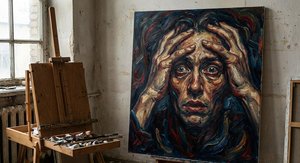
Acrylic On Canvas.

§ 1カタログデータ

§ 2抽象
作品解説
Explore James Ensor's unsettling masterpiece, 'Carnival in Flanders,' depicting a vibrant Belgian carnival scene with symbolic imagery and biting social commentary. Discover its influence on Expressionism & Surrealism.
 詳細を表示
詳細を表示
アーティストの略歴
19世紀ベルギーの画家、ジェームズ・エンスール。仮面や骸骨をモチーフに、社会風刺と幻想的な世界を描き出し、表現主義・シュルレアリスムの先駆者として知られています。『キリスト受難』など、その異様な作風は現代美術にも大きな影響を与えました。
§ 3解説
James Ensor’s Carnival in Flanders: A Symphony of Shadows and Spectacle
James Ensor's “Carnival in Flanders,” painted in 1931, isn’t merely a depiction of a Belgian fête; it’s a meticulously crafted psychological portrait rendered in oil on canvas—a testament to the artist’s unwavering fascination with unsettling imagery and social critique. Created during the height of Expressionism, this artwork transcends its surface appearance, inviting viewers into a darkly humorous contemplation of human behavior and societal anxieties.
- Subject Matter: The painting captures a vibrant carnival scene—a cacophony of figures jostling for position amidst elaborate decorations. Ensor eschews idealized beauty, presenting instead a raw portrayal of ordinary people engaged in revelry, albeit with an undercurrent of unease.
- Style & Technique: Ensor’s distinctive style is characterized by bold brushstrokes and jarring color palettes—a deliberate rejection of academic conventions. He employs thick impasto to create textural surfaces that amplify the emotional intensity of the scene, conveying a palpable sense of movement and disorientation.
- Historical Context: Painted in the wake of World War I, “Carnival in Flanders” reflects the pervasive disillusionment felt by many artists following the horrors of conflict. Ensor’s work aligns with the Expressionist impulse to confront uncomfortable truths about human nature and societal morality—a reaction against the optimism of preceding decades.
Symbolism & Emotional Impact: The central figure, holding an umbrella amidst a throng of others, embodies both vulnerability and defiance. Surrounding him are six umbrellas – a visual motif that Ensor frequently utilized to represent protection from external forces and the illusion of control. Notably, perched atop one of the figures is a bird—a symbol of freedom yet also of fragility, mirroring the precariousness of human existence within the spectacle of carnival.
Ensor’s masterful use of color contributes significantly to the artwork's emotional resonance. Dominant hues of crimson and ochre clash dramatically against muted browns and greens, creating a visual tension that mirrors the psychological turmoil depicted in the scene. The artist’s deliberate distortion of perspective further enhances this unsettling effect, immersing viewers in an atmosphere of disorientation and unease.
- Further Exploration: Consider Ensor's broader artistic oeuvre—particularly “The Laughing Cavalier” and “Night Café”—to appreciate the consistency of his stylistic vision and thematic concerns. These works share a similar preoccupation with grotesque imagery and psychological exploration, cementing Ensor’s legacy as one of the most influential artists of the early 20th century.
A reproduction of “Carnival in Flanders” offers an opportunity to engage with Ensor's profound artistic insights—a captivating glimpse into a world where joy masks despair and spectacle conceals unsettling truths. Its enduring power lies in its ability to provoke contemplation and challenge conventional perceptions of beauty and morality.
Q&A
ジェイムズ・エンソウ作「Carnival in Flanders」の画像はどこからダウンロードできますか?
「Carnival in Flanders」のダウンロードが可能です。作品のデジタルイメージをダウンロードページにて高解像度デジタル画像のダウンロードいただけます。
ジェイムズ・エンソウ作「Carnival in Flanders」の色彩は、鮮やかですか、それとも落ち着いたトーンですか?
「Carnival in Flanders」の色彩は、彩度がSubtle Colorです。
ジェイムズ・エンソウには、他にどのような別名や通称がありますか?
ジェイムズ・エンソウは、ジェームス・シドニー・エドワード・エンソウ, エンソウ Baronという別名でも表記されます。


 プリント版に切り替え


 いずれかの辺が105 cm(約41インチ)を超えるアートワークまたは複製画の場合、フレームは分解されたキットの状態でお届けいたします。この方法は、輸送中の破損を防ぎ、安全に配送するために採用しております。