


 設置イメージを表示
 シェアする
シェアする シェアする
シェアする
 詳細を見る
詳細を見る ガイドを表示

 ダウンロード
 似ている作品
 X線調査
X線調査 スライドショーを表示
 Q&A
Q&A 統計情報
統計情報Cranes Fleuris

 詳細を表示
詳細を表示
ジークレー/アートプリント
スピーディーな制作と多彩な仕上げオプションが魅力の、ミュージアムクオリティなジークレー・キャンバスプリント。 ( 手描き複製画を注文する デジタル画像販売へ切り替え)




P118B ¥10

P118H ¥10

P118W ¥10

P438Z ¥10

P508JH ¥12

P508YH ¥12

P805H ¥10

P805Z ¥10

P919BZ ¥10

P919G ¥10

P919XJ ¥10

P959ZH ¥10

P968JZ ¥12

W106C ¥8

W218G ¥10

W218JH ¥8

W218Y ¥10

W307PJ ¥10

W316G ¥10

W316PJ ¥8

W316Y ¥10

W398PJ ¥8

W4111J ¥10

W500HY ¥15

W500JH ¥15

W692G ¥12

W849H ¥8

W940BG ¥15

W953PJ ¥8




作品のオリジナル比率に合わせた、当店の規定サイズからお選びください。

額縁や壁のスペースに合わせて、ご希望の幅と高さを入力してください。プリントはカットすることは可能ですが、元の画像より大きくすることはできないため、異なる比率のサイズを選択された場合は、画像の一部が欠けることになります。印刷を開始する前に、内容を確認していただくためのデジタルモックアップをお送りいたします。このページに表示されている画像は、実際のカット後の状態を示すものではありません。実際の仕上がりはモックアップにてご確認ください。


 ガラスオプションは、110cm未満のサイズでのみご利用いただけます。

Cranes Fleuris
ジークレー/アートプリント
複製画サイズ一覧
-


合計金額
¥ 10276
A Portrait of Transient Beauty: Unpacking James Ensor's "Crane Fleuris"
James Ensor’s “Crane Fleuris” isn’t merely a painting; it’s an unsettling encounter. Created in the early 20th century, this arresting work plunges the viewer into a world where life and death intertwine with unnerving beauty. Born in Ostend, Belgium, to an English father and Belgian mother – a heritage that undoubtedly shaped his artistic perspective – Ensor spent his career exploring themes of identity, social commentary, and, most powerfully, the ephemeral nature of existence. “Crane Fleuris,” painted around 1896, stands as a cornerstone of his Expressionist style, a bold declaration against academic tradition and a profound meditation on mortality.
The painting immediately confronts us with its arresting central image: a woman whose head is replaced by a meticulously rendered skeleton. This isn’t a gruesome spectacle, however; rather, it's presented within an opulent tableau of flowers – roses, lilies, and other blooms – that seem to both adorn and engulf her. The blue ribbon encircling the skeletal neck adds a layer of poignant formality, suggesting a ritualistic preparation for departure. Ensor masterfully juxtaposes these elements, creating a visual paradox: death is not presented as frightening or terrifying, but rather as an integral part of life’s cycle, beautifully framed within the transient beauty of floral arrangements.
Expressionist Techniques and a Distorted Reality
Ensor's technique in “Crane Fleuris” is deliberately jarring. He employs thick, impasto brushstrokes that build up layers of color, creating a tactile surface that draws the eye into the painting’s depths. The palette is dominated by rich, saturated hues – deep reds, blues, and greens – intensified with touches of gold and silver. These colors aren't used to represent reality faithfully; instead, they are employed to evoke emotion, amplifying the sense of drama and unease that permeates the scene. The forms themselves are distorted, figures rendered with a deliberate lack of precision, contributing to the overall feeling of disorientation and psychological tension.
Notably, Ensor’s use of color and form aligns closely with the principles of Expressionism, an artistic movement that sought to convey subjective emotions rather than objective reality. He deliberately rejects naturalistic representation in favor of a more visceral and emotionally charged approach. The skeletal head, rendered with such detail, isn't simply a symbol of death; it’s a visual embodiment of vulnerability and the inevitability of decay.
Symbolism and the Weight of Mortality
Beyond its immediate visual impact, “Crane Fleuris” is laden with symbolism. The flowers themselves represent life, beauty, and the fleeting nature of earthly pleasures. Their presence around the skeleton suggests a poignant acceptance of mortality – a recognition that even in death, there can be a kind of grace or dignity. The scattered skulls and bones further reinforce this theme, creating a haunting reminder of our shared fate. The inclusion of potted plants, small pockets of life amidst the morbid setting, adds another layer of complexity, hinting at the persistence of nature’s cycle despite human mortality.
Furthermore, Ensor's background in theatrical design and his membership in the avant-garde group Les XX – a collective known for its experimentation with form and color – informed his approach to creating unsettling yet captivating imagery. “Crane Fleuris” echoes works like "Coquillages" and "Les pommes rouges," demonstrating Ensor’s consistent exploration of themes related to death, decay, and the human condition. It's a painting that invites contemplation on the fragility of existence and the beauty found within its inevitable end.
A Timeless Masterpiece: Reproduction Possibilities
AllPaintingsStore offers meticulously crafted hand-painted reproductions of “Crane Fleuris,” allowing art lovers to experience Ensor’s masterpiece in stunning detail. Whether you're a collector, an interior designer seeking a thought-provoking statement piece, or simply someone captivated by the power of art, our reproductions capture the essence of this iconic work. Each reproduction is created using archival quality materials and techniques, ensuring that it will retain its beauty and vibrancy for generations to come. Explore our collection today and bring the haunting allure of “Crane Fleuris” into your space.
Q&A
「Cranes Fleuris」には、どのような情緒や感情が込められているのでしょうか?
ジェームズ・アンソール作「Cranes Fleuris」が醸し出す雰囲気はDramaticであり、その感情的なトーンはMelancholicです。
「Cranes Fleuris」は、明暗のコントラストが強い作品ですか?
ジェームズ・アンソール作「Cranes Fleuris」のコントラストレベルはBoldです。
ジェームズ・アンソール作「Cranes Fleuris」の解説ページはありますか?
ジェームズ・アンソール作「Cranes Fleuris」には、解説資料ページをご用意しています。これは、学生や教室での学習用に設計された、印刷可能な作品解説シートです。
関連作品


作家プロフィール
生い立ち、家族、そして芸術への研鑽
ジェームズ・エンソウは1860年4月13日、ベルギーのオストデでその生を享けました。彼のアイデンティティを形作ったのは、ある独特な文化的交差でした。父ジェームズ・フレデリック・エンソウはブリュッセルでイギリス人の両親の間に生まれ、母マリア・カテリーナ・ヘーヘマンはベルギー人でした。この二つの血筋がもたらした背景は、彼に、地域の伝統という狭い枠組みに囚われない独自の視点という礎を与えたのです。幼少期、彼はオストデにある両親の土産物店の中で育ちました。その環境は単なる住処ではなく、奇妙で装飾的なものたちが集う宝庫でもありました。店内に溢れる貝殻やカーニバルの仮面、そして数々の奇妙な品々は、後の彼の作品における視覚的な語彙(ボキャブラリー)を形作ることになります。
芸術における正規の教育は、試行錯誤の連続でした。アカデミーという規律ある環境に身を投じる前、彼は地元の二人の画家のもとで絵画の修行を始めました。この初期の指導によって培われた技術的な基礎は、後に彼が自在に操り、あるいはあえて歪ませるための土台となりました。1877年から1880年にかけて、彼はブリュッセルの王立美術アカデミーで学びます。しかし、アカデミーの壁の中に身を置いていても、彼の関心は制度が求める厳格な期待とは常に異なる方向を向いていました。彼は現状を維持するための学生ではなく、オストデの街で自分を取り巻く「物」たちから真理を学ぶ学生だったのです。
芸術スタイルの変遷
ジェームズ・エンソウの初期の作品群には、後年の成熟した作品を定義づけるような、あの独特な心理的摩擦はまだ見られません。ロシア音楽(1881年)や酔い酒場の人々(1883年)といった作品において、彼は沈鬱で写実的な枠組みの中で制作を行っていました。これらの構図は、抑えられた色調と、日常的な生活の伝統的な描写に基づいています。それは、彼の視覚言語が劇的な転換を遂げる前に、まだ写実主義という重力に縛られていた芸術家の姿を映し出しています。しかし、やがて彼はその抑制を脱ぎ捨て、主題が次第に奇怪さを増していくにつれ、色彩は驚くほど鮮やかに、そして大胆に変化していくことになります。
このグロテスクな世界への転換を突き動かしたのは、「仮面」に対する特別な執着でした。彼は、家族が営む土産物店に並ぶカーニバルの仮面が持つ、立体的な造形美と強烈な色彩に強く惹きつけられたのです。これらのオブジェは単なる小道具ではありませんでした。それらは彼の美学の核心となり、静物画の中に組み込まれることで、日常的な場面に演劇的な質感を吹き込み、平穏な生活の風景を攪乱する役割を果たしました。この非合理的な領域への踏み込みこそが、彼を単なる再現の次元から、心理的な緊張が渦巻く深淵なる空間へと導いたのです。
スキャンダラスな仮面(1883年)
牡蠣を食べる女(1882/1883年)
悲しみの人(1891年)
主要な作品とテーマ
ジェームズ・エンソウが執着した仮面とグロテスクな表現は、近代という時代の心理的な緊張感と直接的に結びついています。1883年の作品『スキャンダラスな仮面』において、彼は変装が持つ力への初期の関心を示し、カーニバルというモチーフを用いることで社会的な虚飾を剥ぎ取ってみせました。この演劇的で、どこか不安をかき立てるものへの心酔は、単なる様式的な選択ではなく、自己のアイデンティティを探求するための彼なりの手法だったのです。また、1882年の作品『牡蠣を食べる女』は、光と色彩を操る彼のもう一つの側面を鮮やかに描き出しています。そこには、アントウェルペン・サロンの保守的な感性に挑むかのように、彼の妹ミッチが描かれています。当時の権威からこの絵画が拒絶された事実は、彼の独自のビジョンと、当時の硬直した規範との間に存在した摩擦を物語っています。
より攻撃的で表現主義的な形態へと向かう彼の変遷は、その記念碑的な構図において最も顕著に現れます。『キリストのブリュッセル入城』(1888-1889)は、混沌とした鮮やかな色彩を放つグロテスクな群像の行進を用いることで、近代社会を風刺しており、20世紀表現主義の先駆けとしての役割を果たしています。こうした実存的な葛藤の感覚は、1891年の油彩画『悲しみの人』においてさらに深められます。この作品では、キリストの受難が、日本の能面の衝撃的なイメージと融合されています。これらの作品は、宗教的・寓意的なテーマを借りて、人間の振る舞いや社会の無関心に対する深い挫折感を表現しようとした、一人の芸術家の魂を露わにしています。
死の不可避性と、存在の不条理は、彼の作品の核心であり続けています。『絞首刑にされた男をめぐって戦う骸骨たち』(1891)では、骸骨の姿を借りて、腐敗と死という現実を鑑賞者に突きつけます。罪、誘惑、そして外見の脆さといった繰り返されるテーマは、彼の作品を今なお研究に値する強力な主題として留めています。こうした暗く、時に不快な真実を、一貫した視覚言語へと統合させる彼の能力こそが、モダニズムへの転換期における彼の多大な貢献を定義づけているのです。
今日、彼の作品をどこで目にすることができるのか
世界的な主要美術館におけるジェームズ・エンソウの存在感は、モダニズムの発展に彼が与えた永続的な影響を物語っています。例えばアントウェルペンでは、王立美術館が悲しみの人と牡蠣を食べる女という二つの重要な傑作を所蔵しています。これらの作品は、宗教的な緊張感あふれる主題から日常的な情景に至るまで、自在に描き分けることができる彼の卓越した技術的幅広さを証明しています。その影響は海を越え、大西洋の向こう側、ニューヨークの近代美術館(MoMA)には、彼が奇妙で心理的な表現へと転換していった様を象徴する代表作の一つである聖アントニウスの試練が大切に保管されています。
彼の描くイメージが持つ力は、まさにグローバルな広がりを見せています。ロサンゼルスのゲッティ・センターには、彼の最も激しい社会批判が凝縮された壮大な構成を持つキリストのブリュッセル入城が収蔵されています。一方で、フォートワースのキンベル美術館には身を暖める骸骨たちが展示されています。このように世界各地に点在する彼の作品は、アカデミックな規範を拒絶し続けた独自の視覚言語を、今なお多くの研究者や鑑賞者へと届け続けているのです。
- 悲しみの人
- 牡蠣を食べる女
- 聖アントニウスの試練
- キリストのブリュッセル入城
- 身を暖める骸骨たち
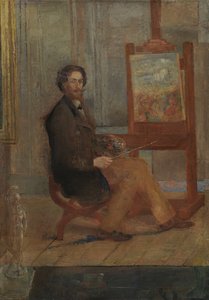
ジェームズ・アンソール
1860 - 1949 , ベルギー
プロフィール概要
- Artistic Movement Or Style:
- 象徴主義
- 表現主義
- Artists Or Movements Influenced By This Artist:
- 表現主義
- シュルレアリスム
- Artists Who Influenced This Artist:
- ピーテル・ブリューゲル(父)
- フランシスコ・ゴヤ
- ジェームズ・アボット・マクニール・ホイスト
- Date Of Birth: 1860年
- Date Of Death: 1949年
- Full Name: ジェームズ・シドニー・エドワード・エンソウ
- Nationality: ベルギー
- Notable Artworks:
- ブリュッセルへのキリストの入場
- 悲しみの人
- 牡蠣を食べる女
- 聖アントニウスの試練
- 絞首刑にされた男をめぐって戦う骸骨たち
- Place Of Birth: ベルギー、オストランド
関連記事

The Weight of Mortality: Examining Memento Mori and Vanitas
Explore the profound symbolism of Memento Mori and Vanitas art. Discover the history of mortality in art now.

Beyond the Lens: Transform Your Personal Moments into Epic AI-Powered Fantasy Masterpieces with AllPaintingsStore
Transform your photos into epic fantasy masterpieces with AllPaintingsStore's AI-driven technology and master artists. Experience the magic of turning digital memories into hand-painted oil canvases that define your personal legacy. Discover timeless artistry for your home today.


