


 設置イメージを確認
 送る
送る シェア
シェア
 詳細情報
詳細情報 ガイドを表示

 画像をダウンロード
 似ている作品
 X線調査
X線調査 スライドショー
 Q&A
Q&A 統計情報
統計情報untitled (7451)

 続きを読む
続きを読む
ジークレー/アートプリント
スピーディーな制作と多彩な仕上げオプションが魅力の、ミュージアムクオリティなジークレー・キャンバスプリント。 ( 手描きの複製画を注文する デジタル画像販売へ切り替え)




P118B ¥10

P118H ¥10

P118W ¥10

P438Z ¥10

P508JH ¥12

P508YH ¥12

P805H ¥10

P805Z ¥10

P919BZ ¥10

P919G ¥10

P919XJ ¥10

P959ZH ¥10

P968JZ ¥12

W106C ¥8

W218G ¥10

W218JH ¥8

W218Y ¥10

W307PJ ¥10

W316G ¥10

W316PJ ¥8

W316Y ¥10

W398PJ ¥8

W4111J ¥10

W500HY ¥15

W500JH ¥15

W692G ¥12

W849H ¥8

W940BG ¥15

W953PJ ¥8




作品のオリジナル比率に合わせた、当店の規定サイズからお選びください。

額縁や壁のスペースに合わせて、ご希望の幅と高さを入力してください。プリントはカットすることは可能ですが、元の画像より大きくすることはできないため、異なる比率のサイズを選択された場合は、画像の一部が欠けることになります。印刷を開始する前に、内容を確認していただくためのデジタルモックアップをお送りいたします。このページに表示されている画像は、実際のカット後の状態を示すものではありません。実際の仕上がりはモックアップにてご確認ください。


 ガラスオプションは、110cm未満のサイズでのみご利用いただけます。

untitled (7451)
ジークレー/アートプリント
複製画サイズ一覧
-


合計金額
¥ 10069
A Window into Faith and Artistic Genius: Examining Jan van Eyck’s Untitled Portrait
Jan van Eyck's "Untitled (7451)" stands as a cornerstone of Early Netherlandish painting, embodying not merely visual beauty but also profound spiritual contemplation and unparalleled artistic innovation. Painted circa 1432, this portrait transcends its formal depiction of a woman—likely a noblewoman—to become an emblem of humanist ideals intertwined with religious devotion, reflecting the burgeoning intellectual fervor of the Burgundian Netherlands during its golden age. The artwork’s enduring fascination stems from Van Eyck's masterful manipulation of oil paint – a revolutionary medium at the time – which allowed for unprecedented levels of detail and luminosity previously unattainable with tempera pigments. This breakthrough technique is immediately apparent upon observation; the subtle gradations of color, achieved through layering thin glazes, imbue the canvas with an ethereal glow that captures the very essence of light itself.- Style: Early Netherlandish Renaissance – Characterized by meticulous realism and symbolic representation, prioritizing accuracy in portraying human anatomy and drapery alongside conveying moral and spiritual messages.
- Technique: Oil Paint – Van Eyck pioneered the use of oil paint, transforming painting from a laborious process reliant on drying time into one capable of producing astonishingly vibrant colors and textures. This method enabled him to achieve unparalleled levels of detail and luminosity.
Historical Context: Bruges and Beyond
“Untitled (7451)” was created in Bruges—then the wealthiest city in Europe—a hub of artistic patronage and intellectual exchange. This prosperous environment fostered a climate receptive to humanist thought, which championed observation and reason alongside faith. Van Eyck’s work exemplifies this synthesis, demonstrating how art could simultaneously celebrate human beauty and convey religious truths. The painting's creation coincided with the commissioning of monumental artworks like ‘The Ghent Altarpiece,’ showcasing the ambition and artistic prowess of the era. This collaborative project solidified Van Eyck’s reputation as a visionary artist and cemented his place in art history.Symbolism: Light, Faith, and Inner Reflection
Beyond its technical brilliance, “Untitled (7451)” is rich in symbolic meaning. The red curtain serves as a visual barrier, representing the separation between earthly concerns and divine contemplation—a common motif in religious art of the period. More profoundly, the woman’s downward gaze symbolizes humility before God, reflecting the Christian belief that true wisdom resides in acknowledging one's dependence on divine grace. The overall effect is emotionally resonant, inviting viewers to contemplate themes of faith, virtue, and inner peace – qualities valued highly during the Renaissance.Emotional Impact: A Moment Frozen in Time
Ultimately, “Untitled (7451)” succeeds in capturing a fleeting moment of profound stillness and contemplation. The artist’s meticulous attention to detail—the subtle nuances of color, texture, and gesture—transforms the portrait into more than just an image; it becomes a conduit for spiritual experience. Reproductions of this masterpiece offer collectors and interior designers alike the opportunity to bring home a piece of artistic history – a testament to Van Eyck's genius and the enduring power of art to inspire reflection and elevate the human spirit.よくあるご質問
ヤン・ファン・エイク作「untitled (7451)」 の画像はどのようにダウンロードすればよいですか?
ヤン・ファン・エイク作「untitled (7451)」は、作品のダウンロードページから高解像度デジタル画像のダウンロードとしてダウンロードいただけます。
「untitled (7451)」は、拡張現実(AR)でのプレビューが可能ですか?
対応するデバイスの拡張現実(AR)機能を使用し、作品のARプレビューページから、ご自身の壁にヤン・ファン・エイク作「untitled (7451)」をプレビュー表示することができます。
「untitled (7451)」はどの様式に属していますか?
ヤン・ファン・エイク作「untitled (7451)」に関連する芸術運動はEarly Netherlandish Renaissanceです。この分類により、本作は関連する他の芸術家や作品群の中に位置づけられます。
関連作品


アーティストについて
光と色彩の錬金術師:ヤン・ファン・エイクの世界
ヤン・ファン・エイクの名は、初期ネーデルラント絵画の夜明けを告げ、油彩技法における革命的な使用と不可分である。1390年頃にマストリヒトで生まれ、現在のオランダに位置するこの地で育った彼は、芸術的伝統に浸された家庭に生まれた。兄のフベルトも画家であり、その作品に関する詳細は謎が多いものの、ヤンは天賦の才能を持ち、瞬く間に時代の芸術界において頭角を現した。1422年にはすでにハーグに工房を開き、助手たちと共に仕事を行い、彼の技量を物語る数々の依頼を受けた。この初期の成功は単なる芸術的スキルに基づくだけではなく、ヤンは知性と信頼性を兼ね備えた人物であり、それがすぐに有力なパトロンたちの目に留まることになったのだ。ブルゴーニュ宮廷での活躍:外交と芸術の隆盛
ヤンのキャリアにおける転換点は、ジャン3世(冷酷王)のもとで、そして後にフィリップ4世(善良公)のもとでブルゴーニュ宮廷への仕官だった。これは単なるパトロン関係ではなく、ヤンは外交使節として信頼され、彼の分別と知性に公が自信を寄せていたことを示している。ポルトガルやスペインなどヨーロッパ各地への旅は、多様な文化や芸術的影響に触れ、彼のスタイルを進化させた。宮廷は単なる経済的な安定を提供するだけでなく、野心的なプロジェクトを追求するための資源へのアクセスを提供し、芸術的に達成可能な限界を押し広げた。彼はブルゴーニュ貴族のための画家であるというよりも、彼らの世界の一部となり、その威厳を反映し、高揚させる存在となった。この特異な立場は、同時代の画家がほとんど享受できなかった芸術的自由を与え、実験と革新を可能にしたのだ。油彩の錬金術:技法の革命
油彩の発明者ではないものの、ヤン・ファン・エイクはそれを完璧にしたことには疑いの余地がない。彼の登場以前はテンペラが主流であり、ブレンド能力に制限があり、比較的マットな仕上がりだった。ヤンは、透明感のある顔料を慎重に重ねることで油彩の可能性を最大限に引き出し、空前の詳細さ、輝き、リアリズムを実現した。この技術により、微妙なトーンの変化、豊かな色彩、まるで生きているかのような質感を作り出すことができた。その効果は劇的であり、表面が内側から光り輝き、布地には触覚的な質感が与えられ、肖像画は単なる容姿だけでなく、心理的な深みまでも捉えた。彼の習熟度は単なる技術的なものではなく、顔料を生きているかのような現実へと変える錬金術的なプロセスだった。この革新は無視されず、その後の世代の画家たちに影響を与え、西洋美術の様相を一変させた礎となった。傑作と不朽の遺産
ヤンの芸術的遺産は、比較的少ないながらも深く影響力のある作品群によって確固たるものとなっている。1432年の壮大な多翼祭壇画『ゲント祭壇画』は、宗教的な象徴主義と技術的な才能が融合した最も野心的な試みである。同等に有名なのは、リアリズム、複雑なディテール、そして謎めいた象徴性で称賛される肖像画『アルノルフィーニ夫妻の肖像』(1434年)である。その他の注目すべき作品には、宗教的な場面を驚くべき明瞭さで描写する彼の技術を示す『ドレスデン祭壇画』や、個人の性格を捉える能力を示す傑作『青いターバンの男』などがある。これらの絵画は単なる視覚的表現ではなく、別の世界への窓であり、細部に至るまで徹底的にレンダリングされた世界である。ヤンの影響力は、これらの象徴的な作品を超えて広がり、初期ネーデルラント絵画の発展を形作り、何世紀にもわたって数えきれないほどの芸術家にインスピレーションを与え続けている。1441年にブルージュで亡くなった彼は、今日まで私たちに人間の経験を照らし出す芸術の力を思い出させる遺産を残した。フベルト・ファン・エイクとの関係
ヤンの兄であるフベルトについては、その生涯に関する確かな情報はほとんどない。一部の研究者は彼の存在自体を疑問視しているほどだ。しかし、1426年の課税記録は、彼がその頃に亡くなったことを示唆しており、ヤンと共に初期の作品にも関与していた可能性が高い。ゲント祭壇画におけるフベルトの役割は議論の余地があるものの、兄弟が協力してこの壮大な作品を完成させたという考えは、初期ネーデルラント絵画の理解において重要な意味を持つ。彼らの共同作業は、芸術的才能と家族関係が、当時の芸術制作に与えた影響を示唆している。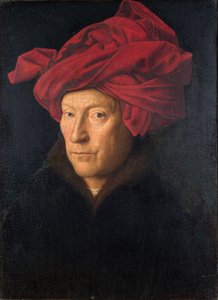
ヤン・ファン・エイク
1390 - 1441 , オランダ
アーティスト情報
- フルネーム: ヤン・ファン・エイク
- 主な作品:
- ゲント祭壇画
- アルノルフィーニ夫妻の肖像
- ドレスデン三連祭壇画
- 青いターバンの男
- 出生地: マストリヒト、オランダ
- 国籍: フランドル人
- 影響を与えたアーティストまたは運動: ['初期ネーデル란드画家']
- 死亡年月日: 1441年
- 生年月日: 1390年頃
- 芸術運動またはスタイル: 初期ネーデル란드絵画
関連記事

Early Netherlandish Renaissance: A Professional Guide to Mastering Detail and Realism for Luxury Interior Design
Expert guide for hotel designers on sourcing Early Netherlandish Renaissance reproductions. Discover how the hyper-realism of Jan van Eyck can elevate hospitality interiors through high-quality, large-scale oil paintings and custom multi-panel installations.


