


 設置イメージを表示
 シェアする
シェアする シェアする
シェアする
 詳細を見る
詳細を見る ガイドを表示

 ダウンロード
 似ている作品
 X線調査
X線調査 スライドショーを表示
 Q&A
Q&A 統計情報
統計情報Old-Timer

 詳細を表示
詳細を表示
ジークレー/アートプリント
スピーディーな制作と多彩な仕上げオプションが魅力の、ミュージアムクオリティなジークレー・キャンバスプリント。 ( 手描き複製画を注文する デジタル画像販売へ切り替え)




P118B ¥10

P118H ¥10

P118W ¥10

P438Z ¥10

P508JH ¥12

P508YH ¥12

P805H ¥10

P805Z ¥10

P919BZ ¥10

P919G ¥10

P919XJ ¥10

P959ZH ¥10

P968JZ ¥12

W106C ¥8

W218G ¥10

W218JH ¥8

W218Y ¥10

W307PJ ¥10

W316G ¥10

W316PJ ¥8

W316Y ¥10

W398PJ ¥8

W4111J ¥10

W500HY ¥15

W500JH ¥15

W692G ¥12

W849H ¥8

W940BG ¥15

W953PJ ¥8




作品のオリジナル比率に合わせた、当店の規定サイズからお選びください。

額縁や壁のスペースに合わせて、ご希望の幅と高さを入力してください。プリントはカットすることは可能ですが、元の画像より大きくすることはできないため、異なる比率のサイズを選択された場合は、画像の一部が欠けることになります。印刷を開始する前に、内容を確認していただくためのデジタルモックアップをお送りいたします。このページに表示されている画像は、実際のカット後の状態を示すものではありません。実際の仕上がりはモックアップにてご確認ください。


 ガラスオプションは、110cm未満のサイズでのみご利用いただけます。

Old-Timer
ジークレー/アートプリント
複製画サイズ一覧
-


合計金額
¥ 10272
A Moment Frozen in Geometric Silence: Exploring Kazimir Malevich’s ‘Old Timer’
Kazimir Malevich's “Old Timer,” created in 1913, stands as a testament to the radical experimentation of Constructivism and embodies the core tenets of Suprematism – a movement that fundamentally challenged conventional artistic representation. This colored pencil drawing isn’t merely an image; it’s a distilled expression of solitude and contemplation rendered through meticulously crafted geometric forms. Examining its nuances reveals layers of artistic intention and historical significance, offering insights into Malevich's groundbreaking contribution to the visual arts.The Essence of Suprematism: Beyond Illusion
Malevich’s journey toward abstraction began with explorations in Impressionism, Symbolism, Fauvism, and Cubism – styles that sought to capture subjective experience and emotional resonance. However, his formative encounter with Parisian avant-garde artists ignited a fervent desire for pure visual language, divorced from any illusion of reality. Suprematism, born from this conviction, championed the idea that art should communicate directly through geometric shapes—primarily squares and circles—representing fundamental concepts like “zero” and “unity.” ‘Old Timer’ exemplifies this philosophy perfectly; it abandons perspectival depth and detailed depiction in favor of a simplified visual vocabulary designed to evoke emotion rather than provide accurate observation.Technique & Material: Texture as Narrative
The artist skillfully employs colored pencil on aged paper, capitalizing on the inherent materiality of the medium to amplify its expressive power. The textured surface of the paper isn’t accidental; it serves as an integral component of the artwork's narrative. Malevich builds up form and texture through layering strokes of color—primarily muted hues—creating a palpable sense of depth despite the absence of traditional spatial cues. This deliberate manipulation of material underscores Malevich’s commitment to confronting viewers with the physicality of art itself, mirroring the movement’s broader preoccupation with materiality as a conduit for conveying ideas.Symbolism Within Geometric Form
While seemingly austere on first glance, ‘Old Timer’ is imbued with subtle symbolic resonance. The solitary figure—rendered in simplified geometric shapes—represents introspection and contemplation – themes central to Suprematism's exploration of the human psyche. The posture of the man conveys a quiet stillness, mirroring the contemplative mood evoked by the artwork’s muted palette and aged paper texture. Malevich’s deliberate choice of form isn’t simply decorative; it functions as a vehicle for conveying profound emotional truths about human experience.Historical Context & Legacy
Created during a period of intense artistic upheaval in Russia—marked by debates over the role of art in society—‘Old Timer’ reflects the broader anxieties and aspirations of its time. Malevich's work stands alongside other seminal pieces from Constructivism, signaling a decisive break from representational tradition and paving the way for future developments in abstract art. Today, reproductions of ‘Old Timer’ continue to inspire artists and designers alike, demonstrating the enduring power of geometric abstraction to communicate emotion and provoke contemplation—a legacy firmly rooted in Malevich's unwavering belief that art should transcend mere imitation of nature.Q&A
カジミール・マレーヴィチ作「Old-Timer」には何が描かれていますか?
カジミール・マレーヴィチ作「Old-Timer」の描画内容:solitude, contemplation, geometric, figure, abstract, sketch, portrait, vintage
カジミール・マレーヴィチ作「Old-Timer」 の色彩の鮮やかさはどの程度ですか?
「Old-Timer」の彩度はMonochromaticです。彩度とは、色の鮮やかさの度合いを表します。
カジミール・マレーヴィチ作「Old-Timer」は、どの芸術運動に属していますか?
「Old-Timer」は、Suprematismの作品です。この様式は、その作品が属する芸術的伝統を示しています。


作家プロフィール
カジミール・マレーヴィチ:抽象芸術の先駆者
カジミール・セヴェリーノヴィチ・マレーヴィチは、1878年にウクライナのキエフ地方で生まれ、20世紀美術に革命をもたらした画家であり理論家です。彼の作品は、具象表現を完全に放棄し、純粋な感情と幾何学的な形のみを追求することで、抽象芸術の新たな地平を開きました。「至高主義(Suprematism)」という独自の芸術運動を創始し、その思想は美術の世界に深い影響を与え続けています。マレーヴィチの人生は、伝統からの脱却、芸術における精神性の探求、そして政治的な抑圧との闘いによって彩られています。幼少期と初期の影響
ウクライナの農村地帯で育ったマレーヴィチは、その風景や民俗文化に深く影響を受けました。幼少期から芸術への関心を抱き、キエフで美術を学びますが、すぐにモスクワへと進み、ヨーロッパのアバンギャルド運動に触れる機会を得ます。印象派、象徴主義、フォーヴィスム、そしてキュビスムなど、様々なスタイルを試しながらも、彼は常に伝統的な芸術表現からの脱却を目指していました。民俗芸術への愛着と、現代美術への渇望が、彼の独自の芸術的探求の原動力となりました。至高主義の誕生と展開
1915年、マレーヴィチは「至高主義」という画期的な芸術運動を宣言します。これは、対象物の描写を超越し、純粋な感情を表現することを目的としたものでした。彼は、色彩、線、形といった要素が、人間の精神に直接働きかけ、超越的な感覚をもたらすと信じていました。その象徴として生まれたのが、「黒方」です。この作品は、絵画における具象表現の終焉を宣言するものであり、美術史において非常に重要な転換点となりました。「白の中に白」シリーズに見られるように、マレーヴィチは純粋な形と色彩の組み合わせによって、抽象芸術の可能性を極限まで追求しました。主要作品とその意味
「黒方」は、マレーヴィチの至高主義を象徴する最も有名な作品です。真っ黒な四角形が白い背景に浮かび上がり、見る者に強烈な印象を与えます。これは単なる幾何学的な図形ではなく、宇宙の深淵や人間の精神における絶対性を表現しようとした試みでした。「白の中に白」は、さらに抽象化を推し進めた作品群であり、純粋な白色の四角形が白い背景に浮かび上がり、見る者の意識を静寂へと誘います。また、「家づくりの図」は、初期の至高主義作品であり、建築的な要素と幾何学的な形を組み合わせることで、新たな空間認識を提示しています。これらの作品を通して、マレーヴィチは絵画における表現の可能性を拡大し、抽象芸術の概念を再定義しました。美術史上の意義と遺産
マレーヴィチの至高主義は、20世紀の美術に多大な影響を与えました。ミニマリズムや構成主義といった後続の芸術運動にインスピレーションを与え、非客観的芸術の発展に大きく貢献しました。彼の理論的な著作もまた、美術家たちに大きな影響を与え、抽象芸術の概念を深く理解するための基盤となりました。政治的な抑圧の中で、彼の作品は一時的に忘れ去られてしまいましたが、20世紀後半には再評価され、現代美術における重要な存在として確固たる地位を確立しました。マレーヴィチの遺産は、今なお多くのアーティストに影響を与え続け、抽象芸術の可能性を追求する人々にインスピレーションを与えています。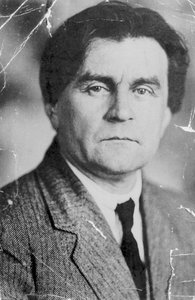
カジミール・マレーヴィチ
1878 - 1935 , ウクライナ
プロフィール概要
- フルネーム: カジミール・マレーヴィチ
- 主な作品:
- 黒い正方形
- 白と白
- 建設中の家
- 出生地: キーウ、ウクライナ
- 国籍: ウクライナ/ロシア
- 影響を与えたアーティスト:
- ミニマリズム
- 構成主義
- エル・リシツキー
- 影響を受けたアーティスト:
- キュビスム
- フォーヴィスム
- 印象派
- 死亡年月日: 1935年5月15日
- 生年月日: 1878年2月23日
- 芸術運動またはスタイル: 構成主義、抽象芸術
関連記事

Suprematism Explained: A Designer's Guide to Geometric Abstraction and Modern Architectural Impact
Master the use of Suprematism in professional design. Explore Kazimir Malevich’s geometric abstraction to elevate hotel and corporate interiors with bold, timeless art solutions, from custom oil reproductions to large-scale multi-panel installations.

Bold Distortion: A Trend Forecast for Impactful Abstract Art in Luxury Commercial and Hotel Interiors
Elevate hospitality design with the Bold Distortion trend. APS provides professional sourcing of large-scale abstract paintings for hotel interiors. Benefit from custom sizing, bulk-order efficiency, and reliable global shipping. High-impact art for high-volume procurement.


