


 設置イメージを表示

 シェアする
 シェアする
 詳細を見る
 ガイドを表示


 ダウンロード
 似ている作品
 X線調査
 スライドショーを表示
 Q&A
 統計情報
Nude
 詳細を表示
このページに掲載されている作品は著作権法によって保護されており、当社の許可なく同一の複製物を制作または販売することは法律で禁じられています。この保護は、以下のような国際条約に基づき執行されます。 ベルヌ条約 および、以下の条項に定められたものを含む各国の法律により、 米国著作権法 第17編。
この手法は、著作権で保護された作品の複製や複写を伴わないため、著作権法に完全に準拠しています。これは単なる模倣ではなく、創造的な再解釈です。元の作品からインスピレーションを受けつつも、それとは異なる、全く新しい絵画を生み出すものです。
ジークレー/アートプリント
スピーディーな制作と多彩な仕上げオプションが魅力の、ミュージアムクオリティなジークレー・キャンバスプリント。 ( 手描き複製画を注文する デジタル画像販売へ切り替え)
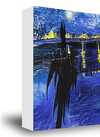
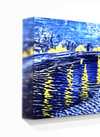
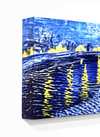
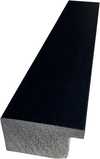
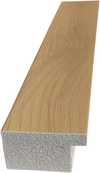
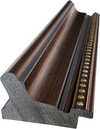
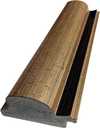
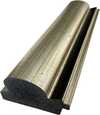
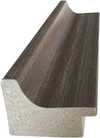
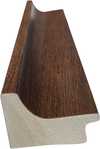
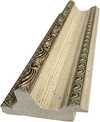
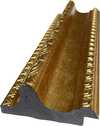
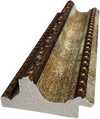
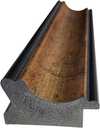
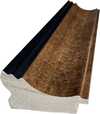
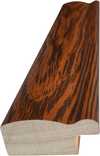
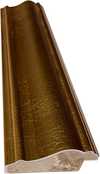
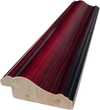
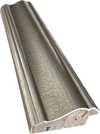
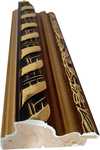
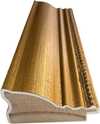
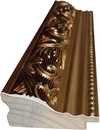
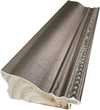
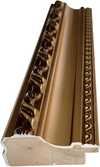
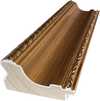
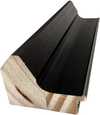
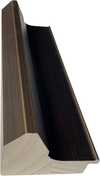
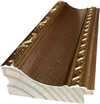
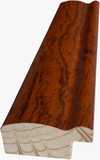
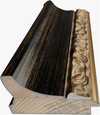
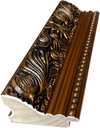
作品のオリジナル比率に合わせた、当店の規定サイズからお選びください。

額縁や壁のスペースに合わせて、ご希望の幅と高さを入力してください。プリントはカットすることは可能ですが、元の画像より大きくすることはできないため、異なる比率のサイズを選択された場合は、画像の一部が欠けることになります。印刷を開始する前に、内容を確認していただくためのデジタルモックアップをお送りいたします。このページに表示されている画像は、実際のカット後の状態を示すものではありません。実際の仕上がりはモックアップにてご確認ください。


 ガラスオプションは、110cm未満のサイズでのみご利用いただけます。

Nude
ジークレー/アートプリント
複製画サイズ一覧
-


合計金額
¥ 10284
関連作品


作家プロフィール
Early Life and the Genesis of a Vision
Lee Friedlander, born in Aberdeen, Washington, on July 14, 1934, embarked on a photographic journey that would redefine how America saw itself. His early fascination with photography blossomed at the age of fourteen, a nascent curiosity nurtured by a world ripe for visual exploration. A brief period of study at the Art Center College of Design in Pasadena provided foundational skills, but it was his 1956 relocation to New York City that truly ignited his artistic trajectory. Initially working as a freelance photographer documenting jazz musicians for record album covers—capturing icons like Duke Ellington, Charles Mingus, and John Coltrane—Friedlander absorbed the energy of the city’s vibrant music scene. This period wasn't merely about professional assignments; it was an immersion into a culture that would subtly inform his later work, shaping his sense of rhythm, improvisation, and observation. The influence of early masters like Eugène Atget, with his meticulous documentation of Parisian streets, Robert Frank’s raw and unflinching portrayal of American life in *The Americans*, and Walker Evans's stark realism resonated deeply, laying the groundwork for Friedlander’s own distinctive style. These photographers weren’t simply recording images; they were offering a perspective—a critical, often poetic lens through which to view the world.Developing a “Social Landscape”
The 1960s and 70s witnessed Friedlander's emergence as a pivotal figure in American photography. He didn’t seek grand vistas or idealized portraits; instead, he turned his attention to the everyday—the "social landscape" of urban life. This wasn’t about picturesque scenes but rather the fragmented, often chaotic reality of modern existence. His photographs became characterized by their innovative use of framing and reflection. Storefront windows transformed into mirrors reflecting passersby and architectural elements served as dynamic borders, creating layers of complexity within a single image. He embraced serendipity, allowing chance encounters and unexpected juxtapositions to shape his compositions. This approach wasn’t about control but rather about responding to the environment—a visual dialogue with the city itself. Friedlander worked primarily with hand-held Leica 35mm cameras and black-and-white film, a deliberate choice that emphasized immediacy and a direct connection to the subject matter. He didn't construct scenes; he *found* them, revealing hidden narratives within the seemingly mundane. The inclusion of his own shadow or reflection in many of his photographs became a signature element—a subtle acknowledgement of the photographer’s presence and a questioning of objectivity.Recognition and Key Achievements
Friedlander's unique vision didn’t go unnoticed. In 1960, he received a Guggenheim Fellowship, providing him with the freedom to focus on his art—a testament to the burgeoning recognition of his talent. Subsequent grants in 1962 and 1977 further solidified his position within the artistic community. A pivotal moment came in 1963 with his first solo exhibition at the George Eastman House, followed by inclusion in the landmark “New Documents” exhibition at the Museum of Modern Art in 1967 alongside Garry Winogrand and Diane Arbus. This exhibition cemented their status as leading figures in a new wave of documentary photography—one that challenged traditional notions of representation. While his artistic achievements were numerous, perhaps one of the most talked-about episodes involved black-and-white nude photographs of Madonna from the late 1970s, commissioned when she was still an aspiring artist. These images, initially paid for with a modest $25 fee, later fetched $37,500 at auction in 2009—a striking illustration of her subsequent fame and the enduring value of Friedlander’s work. In 1990, he received a MacArthur Fellowship, often referred to as a “genius grant,” acknowledging his significant contributions to American culture.Legacy and Historical Significance
Lee Friedlander's impact on photography is profound and far-reaching. He didn’t simply document the world; he *reinterpreted* it—offering a complex, nuanced vision of modern life that continues to resonate with audiences today. His work challenged conventional notions of beauty and composition, embracing imperfection and ambiguity. The “social landscape” approach he pioneered influenced generations of photographers, encouraging them to look beyond the iconic and embrace the everyday. He demonstrated the power of observation—the ability to find meaning in the seemingly mundane and reveal hidden narratives within the urban environment. His innovative use of framing and reflection continues to be studied and emulated by aspiring artists. Beyond his individual photographs, Friedlander’s prolific output of books—forty volumes dedicated to self-portraits and explorations of various themes—established a new precedent for photographic storytelling. He is responsible for preserving the work of E.J. Bellocq, rescuing it from obscurity. His influence extends beyond the realm of photography, impacting fields such as art history, urban studies, and cultural criticism. Friedlander’s photographs are held in major collections worldwide, including the Art Institute of Chicago, The Metropolitan Museum of Art, and the Museum of Modern Art, ensuring his legacy for generations to come. He remains a vital force in contemporary art—a master observer whose work continues to challenge, provoke, and inspire.
Lee Friedlander
1934 -
プロフィール概要
- Artistic Movement Or Style: Social Landscape, Street Photography
- Artists Or Movements Influenced By This Artist:
- Garry Winogrand
- Diane Arbus
- New Documents movement
- Artists Who Influenced This Artist:
- Eugène Atget
- Robert Frank
- Walker Evans
- Date Of Birth: 1934
- Full Name: Lee Friedlander
- Nationality: American
- Notable Artworks:
- Galax, Virginia
- Las Vegas, Nevada
- Sandra Fisher portrait
- Nudes (1985)
- Place Of Birth: Aberdeen, Washington
関連記事

Mastering the Human Form: A Professional Guide to Iconic Nude Artworks and Museum-Quality Reproductions
Explore the history of the human form through museum-quality oil reproductions. From Renaissance masters to contemporary figure studies, discover professional art solutions for hotels and corporate spaces with our bespoke, hand-painted canvas collections.

Timeless Nude Figure Artworks: A Professional Procurement Guide to Masterpiece Reproductions & Custom Commissions
A professional guide for hotel designers and procurement managers sourcing timeless nude figure art. Discover high-volume solutions for hand-painted oil reproductions, custom commissions, and large-scale murals with reliable global logistics and B2B trade programs.

Anatomy, Idealism, and Realism: A History of the Female Nude in Painting
Explore the technical evolution of the female nude from Renaissance anatomy to Impressionist light. Trace art history with our expert guide.

The Evolution of the Nude: From Classical Idealism to Academic Realism
Trace the evolution of the human form from Greek ideals to Academic Realism with expert historical insight. Explore art history mastery now.