


 設置イメージを表示
 シェアする
シェアする シェアする
シェアする
 詳細を見る
詳細を見る ガイドを表示

 ダウンロード
 似ている作品
 X線調査
X線調査 スライドショーを表示
 Q&A
Q&A 統計情報
統計情報Elisabetta Cellesi

- 128.0 x 83.0 cm


 詳細を表示
詳細を表示
ジークレー/アートプリント
スピーディーな制作と多彩な仕上げオプションが魅力の、ミュージアムクオリティなジークレー・キャンバスプリント。 ( 手描き複製画を注文する デジタル画像販売へ切り替え)




P118B ¥10

P118H ¥10

P118W ¥10

P438Z ¥10

P508JH ¥12

P508YH ¥12

P805H ¥10

P805Z ¥10

P919BZ ¥10

P919G ¥10

P919XJ ¥10

P959ZH ¥10

P968JZ ¥12

W106C ¥8

W218G ¥10

W218JH ¥8

W218Y ¥10

W307PJ ¥10

W316G ¥10

W316PJ ¥8

W316Y ¥10

W398PJ ¥8

W4111J ¥10

W500HY ¥15

W500JH ¥15

W692G ¥12

W849H ¥8

W940BG ¥15

W953PJ ¥8




作品のオリジナル比率に合わせた、当店の規定サイズからお選びください。

額縁や壁のスペースに合わせて、ご希望の幅と高さを入力してください。プリントはカットすることは可能ですが、元の画像より大きくすることはできないため、異なる比率のサイズを選択された場合は、画像の一部が欠けることになります。印刷を開始する前に、内容を確認していただくためのデジタルモックアップをお送りいたします。このページに表示されている画像は、実際のカット後の状態を示すものではありません。実際の仕上がりはモックアップにてご確認ください。


 ガラスオプションは、110cm未満のサイズでのみご利用いただけます。

Elisabetta Cellesi
ジークレー/アートプリント
複製画サイズ一覧
-


合計金額
¥ 10279
A Symphony of Rococo Elegance
In the heart of eighteenth-century Bologna, a period defined by aristocratic splendor and artistic refinement, Luigi Crespi captured a moment of eternal grace in his 1732 masterpiece, Elisabetta Cellesi. This oil on canvas is far more than a mere portrait; it is a window into the soul of the Rococo era, an exquisite tableau that breathes with the vitality of a bygone age. As viewers encounter this work, they are immediately transported to the opulent salons of the Italian nobility, where every detail—from the shimmer of silk to the subtle play of light—was designed to evoke admiration and celebrate the heights of human sophistication.
The subject, Elisabetta Cellesi, emerges from a deep, dramatic background with a luminous presence that commands the room. She is presented in an ensemble that serves as a masterclass in 18th-century luxury. Her gown, a breathtaking shade of azure blue, is rendered with such meticulous precision that one can almost feel the weight and texture of the fine damask. Adorned with intricate floral motifs and accented by soft fur trim, the attire speaks volumes of her high social standing and the era's obsession with ornamental beauty. A delicate red ribbon nestled in her elegantly styled updo provides a sudden, captivating pop of color, drawing the eye toward the serene and composed expression on her face.
The Mastery of Light and Line
Luigi Crespi, the son of the renowned Giuseppe Maria Crespi, possessed a unique ability to navigate the stylistic crossroads between the dramatic tension of the Baroque and the poised restraint of Neoclassicism. In Elisabetta Cellesi, we witness this technical duality at its finest. The artist employs a technique rooted in the profound use of chiaroscuro, using a dark, atmospheric background to push the subject forward, creating a sense of three-dimensional depth that is truly lifelike. This stark contrast ensures that the luminous tones of her skin and the vibrant blues of her dress resonate with an almost tactile quality.
The brushwork is nothing short of virtuosic. Crespi utilizes fine, delicate strokes to render the complex textures of lace, fur, and embroidery, demonstrating a commitment to detail that would captivate any connoisseur. There is a fluid grace in the way light dances across the contours of her face, highlighting the subtle modeling of her features and conveying an aura of quiet dignity. For the collector or interior designer, this painting offers a profound sense of movement and life, making it a centerpiece capable of anchoring a room with its sophisticated energy and historical weight.
A Legacy for the Modern Collector
Beyond its technical brilliance, the painting serves as a historical document of the Bolognese aristocracy under the reign of Ferdinand III. It embodies the cultural zenith of an era where art was used to bolster the prestige of noble lineages. To possess a reproduction of this work is to invite a piece of European heritage into one's personal space. The emotional impact of the piece lies in its ability to evoke nostalgia for a time of unparalleled elegance and grace.
Whether placed in a grand gallery or used as a sophisticated accent in a contemporary study, Elisabetta Cellesi provides endless inspiration. Its harmonious color palette—dominated by azure, gold, and deep shadows—complements a wide variety of interior aesthetics, from classical traditionalism to modern luxury. It remains a timeless testament to the power of portraiture to capture not just a likeness, but the very essence of an era's spirit.
Q&A
1732年に「Elisabetta Cellesi」を制作した際、Luigi Crespiは何歳でしたか?
Luigi Crespiは24歳の時に「Elisabetta Cellesi」を制作しました。作家は1708年に生まれ、本作の制作年は1732年です。
Luigi Crespi作「Elisabetta Cellesi」にはどのような技法が用いられていますか?
「Elisabetta Cellesi」の技法はOil On Canvasです。
「Elisabetta Cellesi」は、全体的に明るい印象ですか、それとも暗い印象ですか?
Luigi Crespi作「Elisabetta Cellesi」の明るさはdeep_shadow、輝度はDarkと記録されています。
関連作品


作家プロフィール
A Bridge Between Eras: The Life and Legacy of Luigi Crespi
In the vibrant tapestry of eighteenth-century Italian art, few figures embody the delicate transition from the dramatic flourishes of the Baroque to the poised restraint of Neoclassicism as gracefully as Luigi Crespi. Born in the storied city of Bologna in 1708, Crespi was not merely a painter but a custodian of artistic heritage. As the son of the illustrious Giuseppe Maria Crespi, he was immersed from birth in an environment where light, shadow, and movement were the primary languages of expression. This lineage provided him with more than just technical training; it offered him a profound connection to the Bolognese tradition, a style that had already become a beacon of innovation across Europe.
The early years of Crespi’s life were defined by the meticulous tutelage of his father. Under this guidance, he absorbed the groundbreaking techniques of the Bolognese Baroque, learning how to manipulate color and composition to evoke deep emotional responses. Yet, as the cultural tides of Italy began to shift toward the Enlightenment, Luigi demonstrated a remarkable ability to evolve. While his foundations remained rooted in the dynamic energy of his father’s era, his mature work began to reflect a newfound clarity and an elegant simplicity. This stylistic metamorphosis allowed him to navigate the complexities of a changing aesthetic landscape, making him a pivotal figure for an era caught between two worlds.
Mastery of Form and Sacred Commissions
Crespi’s artistic output was characterized by a sophisticated command of both religious and secular subjects. His ability to execute monumental altarpieances earned him prestigious commissions that placed his work in some of the most significant sacred spaces across the Emilia-Romagna region. To walk through the churches of San Sigismondo in Bologna or San Bartolomeo della Buona Morte in Finale Emilia is to encounter the enduring power of his vision. In these works, one can observe a masterful blend of traditional religious fervor and a refined, almost sculptural approach to the human form.
His technical prowess was particularly evident in his handling of light and texture, which often bridged the gap between the exuberant Rococo and the emerging Neoclassical ideals. His portraits, such as the exquisite Elisabetta Cellesi, showcase a delicate attention to detail and an ability to capture the quiet dignity of his subjects. Through these paintings, Crespi did not merely record likenesses; he imbued them with a sense of character and timelessness that resonated with the aristocratic and clerical patrons of his time.
The Scholar and the Historian
Beyond the easel, Luigi Crespi occupied a vital role in the intellectual life of Bologna. He was a man of profound erudition, serving as an art merchant and a dedicated historian. His most significant contribution to the preservation of Italian art history was his ambitious scholarly undertaking: the revision of Carlo Cesare Malvasia’s Felsina pittrice. Published in 1753, this work was much more than a mere update; it was a monumental effort to document and celebrate the lives and achievements of Bolognese artists, ensuring that their legacy would not be lost to the passage of time.
This dual identity as both creator and chronicler highlights the multifaceted nature of his genius. By documenting the very traditions that shaped him, Crespi acted as a bridge between generations. His life remains a testament to the enduring importance of historical continuity in art. Through his paintings, he captured the beauty of his age, and through his writings, he secured the immortality of those who came before him, cementing his place as a cornerstone of the Bolognese artistic tradition.

Luigi Crespi
1708 - 1779 , Italy
プロフィール概要
- Full Name: Luigi Crespi
- Nationality: Italian
- Date Of Birth: 1708
- Date Of Death: 1779
- Place Of Birth: Bologna, Italy
- Notable Artworks:
- Madonna del Rosario
- San Sigismondo Altarpiece
- Artistic Movement Or Style: Neoclassical
- Artists Who Influenced This Artist: ['Giuseppe Maria Crespi']
- Artists Or Movements Influenced By This Artist: ['Carlo Cesare Malvasia']
関連記事

From Grandeur to Grace: Exploring the Evolution of Baroque & Rococo Art
Explore the captivating evolution from Baroque's drama to Rococo's grace! Discover key artists, characteristics & lasting influence of these art movements with expert insights at AllPaintingsStore.

Giuseppe Maria Crespi: Pioneering Genre Painting & the Bolognese Baroque
Explore the life & art of Giuseppe Maria Crespi, a pivotal Bolognese Baroque painter. Discover his groundbreaking genre scenes, religious works, and lasting influence on Italian art history. Learn more at AllPaintingsStore.

Baroque vs. Rococo: A Definitive Guide to the Drama of Grandeur and the Elegance of Grace
Explore the profound differences between Baroque drama and Rococo elegance. Our expert guide delves into art history, chiaroscuro, and the evolution of European masterpieces for collectors and enthusiasts seeking deep historical context.

華麗なるロココ:芸術史を彩る10大傑作の世界
華麗なるロココ美術の世界へ。バロックから生まれた優雅な芸術、その10大傑作を徹底解説!ブーシェ、フロマンなど巨匠たちの技と物語を紐解き、お部屋を彩るアートを見つけよう。AllPaintingsStore.comで至高の美術館品質レプリカとインテリアアイデアを発見。
The Rococo Aesthetic: Opulence, Rebellion & the Pursuit of Pleasure in 18th-Century Art
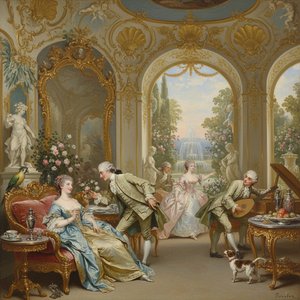
Explore the opulent world of Rococo art! Discover its origins, key artists like Watteau & Boucher, and lasting influence on design. Expert insights for collectors & enthusiasts.