

1910. Assemblage.

§ 1カタログデータ


本作品の著作権について
このページに掲載されている作品は著作権法によって保護されており、当社の許可なく同一の複製物を制作または販売することは法律で禁じられています。この保護は、以下のような国際条約に基づき執行されます。 ベルヌ条約 および、以下の条項に定められたものを含む各国の法律により、 米国著作権法 第17編。
敬意を払った法的な代替手段として、私たちはオリジナルにインスピレーションを与えられた、カスタムの手描きアートワークを提供しています。私たちの熟練したプロのアーティストは、元の作品が持つスタイル、情緒、そして芸術的なエッセンスを注意深く研究し、独自の創作物でありながら、同じ感性を呼び起こすような、新しくユニークな作品を作り上げます。
この手法は、著作権で保護された作品の複製や複写を伴わないため、著作権法に完全に準拠しています。これは単なる模倣ではなく、創造的な再解釈です。元の作品からインスピレーションを受けつつも、それとは異なる、全く新しい絵画を生み出すものです。
 詳しく読む
詳しく読む§ 2抽象
作品解説
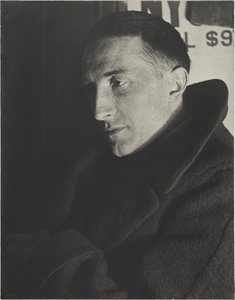
“Chauvel” was created in 1910 by Marcel Duchamp in Fauvism style. Find more prominent pieces of portrait at WikiArt.org – best visual art database. Marcel Duchamp, born Henri-Robert-Marcel Duchamp in 1887 in Blainville-Crevon, Normandy, was more than an artist; he was a philosophical provocateur who fundamentally altered the course of modern art.
アーティストの略歴
「マルセル・デュシャン」は、ダダ主義やモナリザのパロディなど、芸術の定義を揺るがす革新的な作品で知られるフランスアメリカンの画家であり、現代美術に大きな影響を与えました。彼の芸術への哲学的な挑戦は、美術史における重要な転換点となりました。
§ 3解説
A Visionary Defiance: The Soul of Chauvel
In the early twentieth century, a period defined by radical shifts in human perception, Marcel Duchamp unveiled "Chauvel," a work that would forever alter the trajectory of modern portraiture. This is not merely a likeness of Henri Chauvel, the French actor; it is a profound manifesto of rebellion captured on canvas. At first glance, the viewer is met with a striking presence—a man whose stern gaze and classic attire suggest a figure of historical weight. Yet, beneath this traditional veneer lies a deliberate subversion of expectation. Duchlam, ever the provocateur, uses the portrait to challenge the very boundaries of what we consider art, inviting us into a space where identity and abstraction collide.
The emotional resonance of the piece stems from its tension between the recognizable and the surreal. There is an undeniable gravity in Chauvel’s expression, a quiet intensity that commands respect, yet the atmosphere surrounding him vibrates with an almost electric energy. For the collector or the enthusiast of fine art, "Chauvel" offers more than just a visual subject; it provides a window into a moment of historical transition, where the old world of academic realism began to dissolve into the fragmented, emotive landscapes of the modern era.
The Vibrancy of Fauvist Expression
To understand the impact of "Chauvel," one must look toward the explosive color palette that defines its background. Duchamp embraced the Fauvist movement, a style characterized by its liberation from naturalistic color. Instead of the muted, somber tones typical of traditional portraiture, we encounter a symphony of fiery reds, intense yellows, and deep, soulful blues. These colors do not merely decorate the space; they pulsate with an autonomous life, creating a dramatic contrast against the subject's pale complexion.
This use of color serves a symbolic purpose far beyond mere aesthetics. By divorcing hue from reality, Duchamp asserts his artistic freedom, refusing to conform to the standard of visual accuracy. For interior designers seeking a centerpiece that breathes life into a room, this painting offers an unparalleled ability to anchor a space with warmth and drama. The interplay between the monochromatic classicism of the figure and the unrestrained chromatic energy of the background creates a sophisticated visual dialogue that remains as captivating today as it was in 1910.
Technique and the Birth of Modernity
The technical execution of "Chauvel" marks a pivotal departure from the singular brushstroke of the past. Duchamp experimented with an early form of assemblage, a technique that would later become a cornerstone of the Dadaist movement. By integrating photographic elements with meticulously crafted wooden panels and layers of varnish, he blurred the line between painting and objecthood. This approach was inherently revolutionary; it questioned the sanctity of the artist's hand and introduced the concept of the "found" element into the high art canon.
This layering of materials adds a tactile, multidimensional quality to the work, making a high-quality reproduction an exquisite addition to any curated collection. The way light interacts with the perceived depth of the composition allows the piece to transform depending on its environment, offering different nuances of shadow and brilliance throughout the day. "Chauvel" is not just a painting to be observed; it is an experience to be inhabited—a masterpiece of intellectual depth and aesthetic boldness that continues to inspire awe in all who encounter its defiant spirit.
Q&A
マルセル・デュシャン作「Chauvel」 の色彩の鮮やかさはどの程度ですか?
マルセル・デュシャン作「Chauvel」の色調は、Balancedな強さを持っています。
「Chauvel」に似た作品はありますか?
「Chauvel」に似た作品は、こちらの関連作品ページでご覧いただけます。
マルセル・デュシャン作「Chauvel」のコントラストはどの程度ですか?
マルセル・デュシャン作「Chauvel」のコントラストレベルはBoldです。


 プリント版に切り替え


 いずれかの辺が105 cm(約41インチ)を超えるアートワークまたは複製画の場合、フレームは分解されたキットの状態でお届けいたします。この方法は、輸送中の破損を防ぎ、安全に配送するために採用しております。


