

Suspension (Bec Auer)
Painting.

§ 1Catalogue data


著作権保護について
このページに掲載されている作品は著作権法によって保護されており、当社の許可なく同一の複製物を制作または販売することは法律で禁じられています。この保護は、以下のような国際条約に基づき執行されます。 ベルヌ条約 および、以下の条項に定められたものを含む各国の法律により、 米国著作権法 第17編。
敬意を払った法的な代替手段として、私たちはオリジナルにインスピレーションを与えられた、カスタムの手描きアートワークを提供しています。私たちの熟練したプロのアーティストは、元の作品が持つスタイル、情緒、そして芸術的なエッセンスを注意深く研究し、独自の創作物でありながら、同じ感性を呼び起こすような、新しくユニークな作品を作り上げます。
この手法は、著作権で保護された作品の複製や複写を伴わないため、著作権法に完全に準拠しています。これは単なる模倣ではなく、創造的な再解釈です。元の作品からインスピレーションを受けつつも、それとは異なる、全く新しい絵画を生み出すものです。
 詳細を見る
詳細を見る§ 2Abstract
コレクション詳細
A solitary light bulb hangs in this unsettling Expressionist sketch by Marcel Duchamp that captures the profound uncertainty of the Dadaist era, inviting you to explore a masterpiece of conceptual provocation.
アーティストプロフィール
「マルセル・デュシャン」は、ダダ主義やモナリザのパロディなど、芸術の定義を揺るがす革新的な作品で知られるフランスアメリカンの画家であり、現代美術に大きな影響を与えました。彼の芸術への哲学的な挑戦は、美術史における重要な転換点となりました。
§ 3Commentary
A Flickering Echo of Uncertainty
In the quiet, contemplative space of modern art history, few images possess the haunting simplicity of Marcel Duchamp’s “The Bec Auer.” Completed in 1967, this work serves as a profound, late-career testament to an artist who spent his life dismantling the boundaries of what we consider "art." At first glance, the viewer is met with a solitary light bulb suspended from a wire, appearing almost like a fleeting sketch captured mid-motion. There is an undeniable vulnerability in its presentation; it does not demand attention through grand scale or vibrant color, but rather through a delicate, unfinished quality that suggests a moment of creative thought caught in the act of becoming. For the collector or the interior designer, this piece offers a sophisticated focal point—a conversation starter that brings a sense of intellectual depth and minimalist elegance to any curated space.
< p>The technique employed here is deeply rooted in Expressionism, moving away from the rigid precision of academic realism to embrace the visceral power of the gesture. Duchamp utilizes loose, rhythmic brushstrokes that prioritize tonal variation and movement over meticulous detail. This deliberate lack of polish creates a palpable sense of immediacy, as if the artist’s hand were still fresh upon the canvas. The way the light bulb is rendered—partially sketched, partially realized—mirrors the artist's own fascination with the process of creation itself. It is not merely a representation of an object, but a representation of the idea of an object, inviting the observer to fill in the shadows and the light with their own perception.The Philosophy of the Found Object
To understand "The Bec Auer" is to understand the revolutionary concept of the "readymade." Duchamp was a master of provocation, famously arguing that the essence of art resided not in the manual skill of the execution, but in the conceptual choice of the artist. By elevating a commonplace, industrial item like a light bulb to the status of a fine art subject, he challenged the very foundations of artistic dogma. This piece carries the DNA of Dadaism, a movement born from the chaos and disillusionment of the early 20th century, which sought to reject logic and embrace the absurd. In this painting, the light bulb becomes a symbol of illumination amidst uncertainty, a small spark of clarity held precariously by a single wire.
The historical context of the late 1960s adds another layer of emotional resonance to the work. Created during a period of significant global upheaval and cultural shifts, the painting reflects a broader sense of post-war anxiety and the questioning of established truths. For those looking to adorn a contemporary home or gallery, "The Bec Auer" provides more than just aesthetic beauty; it offers an emotional anchor. It is a piece that embodies the tension between the seen and the unseen, the finished and the unfinished, making it an ideal acquisition for those who appreciate art that functions as both a visual masterpiece and a philosophical inquiry.
よくあるご質問
「Suspension (Bec Auer)」の閲覧数はどのくらいですか?
マルセル・デュシャン作「Suspension (Bec Auer)」に関する統計情報は、作品の統計情報ページでご確認いただけます。こちらでは、作品の月間訪問数、アーティストの作品への訪問数、および最近の訪問者の国別・言語別の内訳をご覧いただけます。
「Suspension (Bec Auer)」にはどのような雰囲気がありますか?
マルセル・デュシャン作「Suspension (Bec Auer)」の全体的なムードはDramaticです。このムードは、作品が持つ全体的な雰囲気。
「Suspension (Bec Auer)」の色使いは、鮮やかでしょうか、それとも淡い感じでしょうか?
マルセル・デュシャン作「Suspension (Bec Auer)」の色調は、Vividな強さを持っています。
§ 4The artist
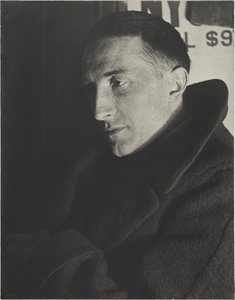
マルセル・デュシャン
1887 - 1968, フランス
アーティスト情報
- フルネーム: マルセル・デュシャン
- 主な作品:
- ファウンテン
- L.H.O.O.Q.
- 大きなガラス
- ボワテ・アン・ヴァリーズ
- 出生地: ブロインヴィル=レ=ブーア(フランス)
- 国籍: フランス系アメリカ人
- 影響を与えたアーティストまたは運動:
- 概念美術
- ポップアート
- ミニマルアート
- 死亡年月日: 1968年10月2日
- 生年月日: 1887年7月28日
- 芸術運動またはスタイル:
- キュビスム
- ダダイスム
- 概念美術
アーティストについて
マルセル・デュシャン:芸術の定義を覆した革命家
マルセル・デュシャンは、1887年にノルマンディー地方ブレーヌヴィル=シュル=メールで生まれ、1968年にパリでその生涯を終えたフランス系アメリカ人アーティストです。彼は単なる画家ではありませんでした。むしろ、芸術の概念そのものを問い直し、現代美術の流れを大きく変えた思想的な挑発者だったのです。デュシャンの幼少期は一見すると平凡に見えるかもしれません。芸術を愛する家庭に育ち、兄弟たちはそれぞれ才能あるアーティストとして成功を収めました。しかし、この伝統的な環境の中でさえ、彼は既存の規範を打ち破るような、型破りな才能を秘めていました。デュシャンは当初、伝統的な技法を習得し、印象派以降のスタイルを実験しましたが、それは単なる技術の習得ではなく、芸術の本質、目的、そして定義そのものを問いかけるための基盤となったのです。彼の飽くなき知的探求心こそが、多作なキャリア全体を特徴づけるものとなりました。キュビスムからダダイズムへ:伝統からの脱却
デュシャンの芸術的遍歴は、常に進化し、確立された規範を意図的に放棄するものでした。初期のキュビスムへの関わり(1911年の『チェスプレイヤーの肖像』に見られるように)は、断片化された形態と多角的な視点に対する興味を示唆しており、伝統的な表現からの脱却でした。しかし、彼は単に視覚的要素を再配置するだけでは、彼が抱えるより深い問いに答えることはできないことに気づきました。第一次世界大戦の惨劇は、彼の不満をさらに煽り上げ、論理や理性、そして伝統的な芸術価値観を拒絶する運動であるダダイズムへと導きました。ダダイズムの中でこそ、デュシャンは初めて従来の芸術的概念を根本から覆し始めました。彼は美しいオブジェクトを作り出すことに関心を持っていませんでした。むしろ、思考を刺激し、前提を揺さぶり、美学的な判断の恣意性を暴露することを目的としていたのです。この時期に、彼の最も革新的なアイデアである「レディメイド」が誕生しました。レディメイドと芸術の転覆
レディメイド——日常的で製造されたオブジェクトを選択し、芸術作品として提示する——デュシャンの最も重要な貢献です。これらは単なる偶然の発見物ではありませんでした。むしろ、芸術的な転覆という意図的な行為だったのです。例えば、小便器を『噴水』と名付け、R. Muttという偽名で独立アーティスト展に出品したことで、芸術的技能や作者そのものの定義に挑戦しました。作品は、誰が作ったのか、アーティストの手なのか、それともアイデアなのか?この問いかけこそが彼の実践の中心となり、コンセプトアートの基礎を築いたのです。『L.H.O.O.Q.』(1919年)のような他の著名なレディメイドは、モナ・リザの複製に口ひげと顎髭を描き加えたものであり、芸術史や確立された文化的アイコンに対する遊び心のある、しかし鋭い批判でした。これらの作品は、その美的な品質のために賞賛されることを意図したものではありませんでした。むしろ、議論を巻き起こし、鑑賞者が芸術とは何かという先入観を見直すよう促すことを目的としていたのです。デュシャンは、芸術は目に留まるのではなく、心に宿るべきだと信じていました。遺産と持続的な影響
マルセル・デュシャンの現代美術に対する影響力は計り知れません。彼は芸術の理解を根本的に変え、コンセプトアート、ミニマリズム、ポップアートなど、数多くの運動への道を開きました。アーティストのアイデア——作品背後にある概念——がその美学的な品質よりも重要であるという彼の強調は、今日でもアーティストにインスピレーションを与え続けています。- キュビスム: 形態の断片化と空間表現の初期の研究。
- ダダイズム: 論理や理性、そして伝統的な芸術的価値観を拒絶し、第一次世界大戦への反応として生まれた運動。
- コンセプトアート: 作品の美学的な品質よりも、作品背後にあるアイデアに重点を置く芸術形態。
§ 5Comparanda


§ 6Questions
§ 7Further reading
関連記事

The Alchemy of Line: Transforming Modern Photography into Timeless AI-Driven Sketch Masterpieces
Discover the art of digital alchemy. Transform your photos into exquisite, hand-painted sketch masterpieces using our advanced AI technology and professional artists. Elevate your space with timeless, custom-made fine art designed for discerning collectors and luxury interiors.
Cite this entry
AllPaintingsStore.com, “マルセル・デュシャン, Suspension (Bec Auer)”, https://allpaintingsstore.com/ja/art/marcel-duchamp-suspension-bec-auer-8EWLFH-en/ArtistReproduction/ (accessed 1 10月 2026).
§ 8The reproduction
手描き油彩複製画
当社のアーティストが、お客様のご希望のサイズと額縁に合わせて、キャンバスに手描きで制作する油彩画です。 ( プリント版に切り替え デジタル画像販売へ切り替え)
It is specified on the order sheet in the margin; the present state of that sheet reads as follows.

Suspension (Bec Auer)
再現技法
複製画サイズ一覧
-

厳選された熟練アーティスト
より細部までこだわった表現、洗練された技術、そして十分な制作時間
-

複製画用額装
-
-
いずれかの辺が105 cm(約41インチ)を超えるアートワークまたは複製画の場合、フレームは分解されたキットの状態でお届けいたします。この方法は、輸送中の破損を防ぎ、安全に配送するために採用しております。
組み立てには専門知識が必要です(DIY用製品ではありません)。
本キットは、経験豊富なプロの額装師が、木工用ボンド(別売)、キャンバス用プライヤー、およびボンドの乾燥時に桟を直角に保持するためのクランプを使用して、組み立ておよびキャンバスの張り作業を行う必要があります。不適切な組み立てやキャンバスの張りの不均一は、作品に永久的な損傷を与える恐れがあり、弊社の保証対象外となります。
 いずれかの辺が105 cm(約41インチ)を超えるアートワークまたは複製画の場合、フレームは分解されたキットの状態でお届けいたします。この方法は、輸送中の破損を防ぎ、安全に配送するために採用しております。
すべての無垢材のパーツが含まれており、組み立てに最適なサイズに正確にカットされています。
付属のネジを使用し、角の接合部には別途木工用ボンドをご用意ください(ボンドは付属しておりません)。ボンドは額装業者様にてご手配をお願いいたします。
プロ仕様の道具が必要ですが、キットには含まれていません:キャンバス用ストレッチングプライヤー(テンショナー)、および接着剤が乾燥するまで木枠を直角に固定するためのクランプ。
重要:
コーナーの接合部には木工用ボンドが必要です。また、ボンドが完全に乾くまでクランプでバーを固定しておく必要があり、組み立てたフレームにキャンバスを張るにはキャンバス用ストレッチングプライヤーが必要となります。これらの道具はキットに含まれておりません。このサイズをご注文される前に、経験豊富なプロの額装師(フライマー)の手配をお願いいたします。

銘板
-
-

保護用ワニス
光沢ワニス(色彩を鮮やかに引き立て、光や湿気から保護します)
-

作品をカスタマイズ
カスタマイズの例:顔をお客様の写真に差し替える、ペットを追加する(例:猫を犬に変更)、背景に隠しメッセージを入れる、背景の風景や要素を変更する。
-

お急ぎ便
世界中への配送()は、通常の5週間ではなく、3〜4週間でお届けいたします。(29 10月)。品質には一切の妥協を許しません。
-
お急ぎ便
世界中への配送()は、5週間ほどでお届けします。(5 11月)。
送料込
合計金額
¥ 40605
Included with every order
- 世界中へ無料エクスプレス配送
- 高品質なリネンキャンバス
- 配送時完全保険付
- 関税・輸入税の払い戻し保証
- 忠実な色彩再現の保証
- 100日間返品保証(製造上の欠陥がある場合のみ)
- 100% 全額返金保証
- まとめ買い割引のご案内


