

Oil On Canvas.

§ 1カタログデータ


本作品の著作権について
このページに掲載されている作品は著作権法によって保護されており、当社の許可なく同一の複製物を制作または販売することは法律で禁じられています。この保護は、以下のような国際条約に基づき執行されます。 ベルヌ条約 および、以下の条項に定められたものを含む各国の法律により、 米国著作権法 第17編。
敬意を払った法的な代替手段として、私たちはオリジナルにインスピレーションを与えられた、カスタムの手描きアートワークを提供しています。私たちの熟練したプロのアーティストは、元の作品が持つスタイル、情緒、そして芸術的なエッセンスを注意深く研究し、独自の創作物でありながら、同じ感性を呼び起こすような、新しくユニークな作品を作り上げます。
この手法は、著作権で保護された作品の複製や複写を伴わないため、著作権法に完全に準拠しています。これは単なる模倣ではなく、創造的な再解釈です。元の作品からインスピレーションを受けつつも、それとは異なる、全く新しい絵画を生み出すものです。
 詳しく読む
詳しく読む§ 2抽象
作品解説
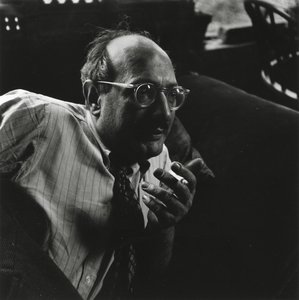
Mark Rothko’s evocative Conversation captures a quiet moment of contemplation amidst a game board, embodying the artist's signature abstract expressionist style and exploring themes of connection and solitude within the mid-century period. Immerse yourself in this timeless masterpiece and bring its serene beauty into your home.
アーティストの略歴
Daugavpils Latvia Mark Rothko Marcus Rothkowitz 抽象表現主義の巨匠、マーク・ロスコ。色彩豊かな画面が織りなす瞑想的な空間は、見る者の心に深く響きます。セagram美術館の壁画や、精神性を象徴するRothko Chapelなど、彼の作品は20世紀美術史に大きな足跡を残しました。 Color Field Painting Minimalism September 25, 1903 February 25, 1970 Mark Rothko American No. 10 (1950) ニューヨーク市, USA 2 マーク・ロスコはどこで生まれましたか?
§ 3解説
A Moment Frozen in Time: The Quiet Intimacy of Conversation
In the quietude of Mark Rothko’s “Conversation,” we find ourselves drawn into a tableau that feels both profoundly intimate and hauntingly distant. At first glance, the painting presents a seemingly simple scene: a man and a woman seated at a table, their focus anchored by the silent movement of a game board, perhaps chess. There is a palpable sense of shared concentration, a moment where the outside world recedes, leaving only the rhythmic pulse of their interaction. Yet, Rothko subtly complicates this domestic stillness with the presence of a third figure lurking in the background—a spectral observer whose role remains ambiguous, suggesting the unseen layers of communication and the complexities that exist within every human relationship.
The atmosphere is heavy with a sense of contemplation. As one gazes upon the figures, the painting transcends its literal subject matter to become an exploration of the unspoken. The clock hanging on the wall serves as a poignant reminder of the passage of time, anchoring this fleeting interaction within the broader, inexorable flow of existence. For the collector or the designer, this piece offers more than mere decoration; it provides a window into a psychological landscape where every shadow and every stillness tells a story of connection and solitude.
The Mastery of Monochrome and Light
While many associate Rothko with his later, monumental color field works, “Conversation” showcases a masterful command of a more restrained, monochromatic palette. The composition is rendered in evocative shades of black, white, and gray, creating a silvered, cinematic quality that strips away the distractions of vibrant color to reveal the raw emotional bones of the scene. This reductive approach is a hallmark of his ability to prioritize emotional resonance over representational accuracy.
The technique employed here is nothing short of meticulous. Rothko utilized a layering process of thin, translucent washes of pigment, building depth through successive applications. This method allows light to appear as if it is emanating from within the canvas itself, creating a shimmering, ethereal luminosity. The edges where tones meet are not sharp but bleed into one another with a soft, atmospheric blur, mirroring the way memories or emotions often lack clear boundaries. For those seeking to integrate fine art into a sophisticated interior, this interplay of light and shadow offers a versatile elegance that complements both modern minimalist spaces and more traditional, moody environments.
Historical Echoes and Universal Truths
Created during the mid-1960s, “Conversation” emerged from a period of profound global tension. As the world grappled with the anxieties of the Cold War era, Rothko’s work provided a sanctuary for introspection. He rejected the loud, commercial energy of Pop Art and the dreamlike distortions of Surrealism, choosing instead to confront the fundamental truths of the human condition: tragedy, ecstasy, and doom. The chessboard in this piece acts as a powerful visual metaphor—a stage for strategic decision-making and the quiet battles of the mind that we all face.
To possess a reproduction of such a work is to invite a sense of profound peace and intellectual depth into a room. It is an invitation to pause, to reflect, and to engage in one's own silent dialogue with the art. Whether viewed as a study in mid-century modernism or as a deeply spiritual encounter, “Conversation” remains a timeless testament to the power of simplicity to convey the infinite complexities of the human soul.
Q&A
「Conversation」は、どのような色彩と感情を併せ持っているのでしょうか?
マーク・ロスコ作「Conversation」は、Earthyな色彩とReflectiveな情緒を併せ持っています。
「Conversation」を特徴づける配色と、主役となる色は何でしょうか?
マーク・ロスコ作「Conversation」の色彩表現:Quinacridone Magenta (#826240)を基調とした、Earthyなパレット。
「Conversation」のPortrait形式は、どのような場所に飾るのがおすすめですか?
マーク・ロスコ作「Conversation」のPortrait形式は、Living Roomに飾る際におすすめです。作品の形式と空間の調和が、複製画を配置する際の指針となります。


 プリント版に切り替え


 いずれかの辺が105 cm(約41インチ)を超えるアートワークまたは複製画の場合、フレームは分解されたキットの状態でお届けいたします。この方法は、輸送中の破損を防ぎ、安全に配送するために採用しております。


