

1949. キャンバスに油彩, 203.0 x 100.0 cm. MoMA(ニューヨーク近代美術館).

§ 1カタログデータ

- 203.0 x 100.0 cm


本作品の著作権について
このページに掲載されている作品は著作権法によって保護されており、当社の許可なく同一の複製物を制作または販売することは法律で禁じられています。この保護は、以下のような国際条約に基づき執行されます。 ベルヌ条約 および、以下の条項に定められたものを含む各国の法律により、 米国著作権法 第17編。
敬意を払った法的な代替手段として、私たちはオリジナルにインスピレーションを与えられた、カスタムの手描きアートワークを提供しています。私たちの熟練したプロのアーティストは、元の作品が持つスタイル、情緒、そして芸術的なエッセンスを注意深く研究し、独自の創作物でありながら、同じ感性を呼び起こすような、新しくユニークな作品を作り上げます。
この手法は、著作権で保護された作品の複製や複写を伴わないため、著作権法に完全に準拠しています。これは単なる模倣ではなく、創造的な再解釈です。元の作品からインスピレーションを受けつつも、それとは異なる、全く新しい絵画を生み出すものです。
 詳しく読む
詳しく読む§ 2抽象
アーティストの略歴
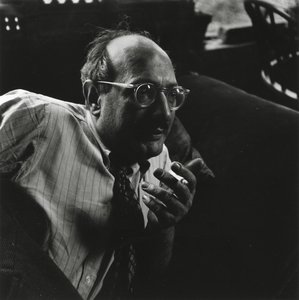
Daugavpils Latvia Mark Rothko Marcus Rothkowitz 抽象表現主義の巨匠、マーク・ロスコ。色彩豊かな画面が織りなす瞑想的な空間は、見る者の心に深く響きます。セagram美術館の壁画や、精神性を象徴するRothko Chapelなど、彼の作品は20世紀美術史に大きな足跡を残しました。 Color Field Painting Minimalism September 25, 1903 February 25, 1970 Mark Rothko American No. 10 (1950) ニューヨーク市, USA 2 マーク・ロスコはどこで生まれましたか?
§ 3解説
A Window into Existential Depth: Examining Mark Rothko’s No. 21
The painting “No. 21,” created in 1949 by Mark Rothko, stands as a cornerstone of Color Field abstraction and embodies the profound anxieties that fueled his artistic vision. More than just pigment on canvas, it represents a deliberate confrontation with fundamental questions about human existence—a legacy born from formative experiences rooted in Eastern European Jewish heritage and shaped by significant life transitions. This meticulously crafted piece invites contemplation and offers a glimpse into Rothko’s deeply personal exploration of grief, displacement, and the yearning for solace amidst uncertainty.- Subject Matter: At first glance, “No. 21” presents deceptively simple rectangular blocks of color—deep crimson overlaid with muted indigo—creating an ethereal expanse that dominates the composition. The absence of recognizable imagery forces viewers to engage directly with emotion and intuition rather than relying on visual cues for interpretation.
- Style & Technique: Rothko’s method was revolutionary in its rejection of traditional representational art. He achieved his signature effect through a layering process known as “wet-on-wet,” applying thin washes of pigment onto previously applied layers, allowing them to bleed and merge subtly over time. This technique contributes to the painting's hazy luminescence and imbues it with an almost meditative quality.
Historical Context: The Birth of Color Field Painting
“No. 21” emerged during a period of intense artistic experimentation following World War II, coinciding with the rise of Color Field painting—a movement spearheaded by artists like Rothko and Barnett Newman. This stylistic shift responded to the disillusionment of postwar Europe and sought to express profound emotional states through pure color rather than narrative or figurative depiction. The influence of Zen Buddhism and Eastern philosophy is palpable in Rothko’s approach, reflecting his desire to transcend rational thought and access a realm of primal feeling. As noted in “Table No. 21,” the film's title itself underscores the importance of constitutional rights—a parallel to Rothko’s artistic pursuit of universal human values.- Symbolism: The colors themselves are laden with symbolic significance. Crimson represents passion, vitality, and perhaps even primal instinct, while indigo embodies introspection, melancholy, and spiritual contemplation. Together, they create a harmonious tension that mirrors the complexities of human experience.
- Emotional Impact: Critics have consistently described “No. 21” as emotionally arresting—capable of eliciting feelings of awe, sorrow, and transcendence. Rothko aimed to bypass intellectual analysis altogether, trusting in the viewer’s subconscious mind to respond directly to the painting's visual presence.


 プリント版に切り替え


 いずれかの辺が105 cm(約41インチ)を超えるアートワークまたは複製画の場合、フレームは分解されたキットの状態でお届けいたします。この方法は、輸送中の破損を防ぎ、安全に配送するために採用しております。


