

Acrylic On Canvas.

§ 1Catalogue data

著作権保護について
このページに掲載されている作品は著作権法によって保護されており、当社の許可なく同一の複製物を制作または販売することは法律で禁じられています。この保護は、以下のような国際条約に基づき執行されます。 ベルヌ条約 および、以下の条項に定められたものを含む各国の法律により、 米国著作権法 第17編。
敬意を払った法的な代替手段として、私たちはオリジナルにインスピレーションを与えられた、カスタムの手描きアートワークを提供しています。私たちの熟練したプロのアーティストは、元の作品が持つスタイル、情緒、そして芸術的なエッセンスを注意深く研究し、独自の創作物でありながら、同じ感性を呼び起こすような、新しくユニークな作品を作り上げます。
この手法は、著作権で保護された作品の複製や複写を伴わないため、著作権法に完全に準拠しています。これは単なる模倣ではなく、創造的な再解釈です。元の作品からインスピレーションを受けつつも、それとは異なる、全く新しい絵画を生み出すものです。
 詳細を見る
詳細を見る§ 2Abstract
コレクション詳細
Experience Mark Rothko's 'Untitled 51,' a powerful abstract work brimming with emotion and color. Explore the layers of feeling within this iconic piece, reflecting Rothko’s exploration of human experience.
アーティストプロフィール
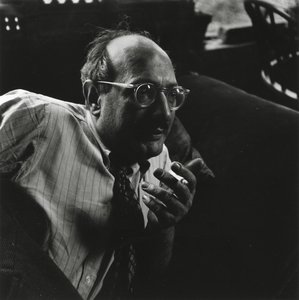
Daugavpils Latvia Mark Rothko Marcus Rothkowitz 抽象表現主義の巨匠、マーク・ロスコ。色彩豊かな画面が織りなす瞑想的な空間は、見る者の心に深く響きます。セagram美術館の壁画や、精神性を象徴するRothko Chapelなど、彼の作品は20世紀美術史に大きな足跡を残しました。 Color Field Painting Minimalism September 25, 1903 February 25, 1970 Mark Rothko American No. 10 (1950) ニューヨーク市, USA 2 マーク・ロスコはどこで生まれましたか?
§ 3Commentary
Mark Rothko’s Untitled 51: A Deep Dive into Color and Emotion
Mark Rothko's "Untitled 51" isn’t merely a painting; it’s an invitation—a plunge into the depths of human feeling. Created during a pivotal period in his career, this large-scale abstract work embodies the core tenets of Color Field painting and stands as a testament to Rothko’s profound exploration of existential themes. The piece, characterized by its monumental scale and deceptively simple composition, immediately commands attention, drawing the viewer into a world where form dissolves and color reigns supreme.
At first glance, the painting presents a series of rectangular blocks—red, orange, and salmon—suspended within a subtly textured field. These aren’t sharply defined shapes; rather, they bleed into one another, creating an illusion of depth and movement. Rothko deliberately avoided precise outlines, opting instead for hazy edges that seem to shimmer and vibrate. This technique, coupled with the layering of thin washes of pigment, generates a remarkable sense of luminosity—the colors appear to emanate from within, casting a warm, almost ethereal glow across the canvas.
The Language of Color: Rothko’s Method
Rothko's approach to color was revolutionary. He wasn’t interested in depicting recognizable objects or scenes; instead, he sought to capture pure emotion through the manipulation of hue and tone. His process involved applying multiple layers of thin paint—often up to twenty—allowing each layer to dry before adding another. This meticulous layering created a complex surface texture that subtly altered the way light interacted with the colors, intensifying their emotional impact. He famously stated, “I am not interested in relationships of color or form or anything else… I am only interested in expressing the basic human emotions - tragedy, ecstasy, doom and so on – and the fact that lots of people break down and cry when confronted by my pictures shows that I *communicate* with those basic human emotions.”
The specific palette employed in "Untitled 51"—the interplay of red, orange, and salmon—is particularly evocative. Red, often associated with passion, energy, and even danger, is tempered by the warmth of orange and the subtle blush of salmon. This carefully calibrated combination creates a sense of both intensity and tranquility, reflecting the complex range of human experience that Rothko sought to convey.
Historical Context and Rothko’s Vision
Rothko's work emerged in the post-World War II era, a time marked by profound social upheaval and existential questioning. The devastation of the war had shattered traditional values and left many grappling with feelings of alienation and uncertainty. Rothko responded to this climate with his abstract paintings, which offered viewers a space for introspection and emotional release. His work aligns with the broader movement of Abstract Expressionism, but Rothko’s focus on pure color and emotion distinguishes him as a unique voice within the field.
Interestingly, Rothko's exploration of color was deeply influenced by his time in Latvia during his childhood. The stark landscapes and intense light of that region—a place marked by both beauty and hardship—left an indelible impression on his artistic sensibility. This early exposure to the power of natural light is arguably reflected in the luminous quality of his paintings, particularly in works like "Untitled 51." His work was also profoundly shaped by his experiences as a Jewish immigrant in America, grappling with themes of displacement and identity.
Symbolism and Emotional Resonance
While Rothko vehemently denied that his paintings had any specific symbolic meaning, viewers consistently interpret them through the lens of their own emotional experiences. The rectangular blocks can be seen as representing human beings—isolated yet connected—floating in a vast, undefined space. The lack of narrative or recognizable imagery allows for a deeply personal and subjective engagement with the work.
"Untitled 51" is not simply a visual experience; it’s an invitation to contemplate the fundamental questions of existence – joy, sorrow, hope, despair. Its enduring power lies in its ability to evoke profound emotions without resorting to explicit representation. A high-quality reproduction captures this luminosity and depth, allowing viewers to connect with Rothko's vision on a visceral level. Consider incorporating this piece into your space as a focal point for contemplation and emotional resonance.
よくあるご質問
マーク・ロスコ作「Untitled 51」のデジタル画像はどこで購入できますか?
マーク・ロスコ作「Untitled 51」のデジタルイメージは、こちらのデジタル画像ページにてご購入いただけます:高解像度デジタル画像のダウンロード
「Untitled 51」にはどのような感情が込められていますか?
「Untitled 51」は、Melancholicな感情を呼び起こします。この情緒的なトーンは、作品が与える印象を表しています。
「Untitled 51」の作者であるマーク・ロスコには、他に知られている名前はありますか?
マーク・ロスコは、マルクス・ヤコヴレヴィチ・ロスコーヴィッツ, Markus Yakovlevich Rothkowitzという名でも知られています。


 プリント版に切り替え


 いずれかの辺が105 cm(約41インチ)を超えるアートワークまたは複製画の場合、フレームは分解されたキットの状態でお届けいたします。この方法は、輸送中の破損を防ぎ、安全に配送するために採用しております。


