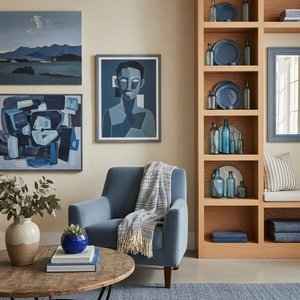
1945. Acrylic, 109.0 x 79.0 cm.

§ 1Catalogue data

- 109.0 x 79.0 cm


著作権保護について
このページに掲載されている作品は著作権法によって保護されており、当社の許可なく同一の複製物を制作または販売することは法律で禁じられています。この保護は、以下のような国際条約に基づき執行されます。 ベルヌ条約 および、以下の条項に定められたものを含む各国の法律により、 米国著作権法 第17編。
敬意を払った法的な代替手段として、私たちはオリジナルにインスピレーションを与えられた、カスタムの手描きアートワークを提供しています。私たちの熟練したプロのアーティストは、元の作品が持つスタイル、情緒、そして芸術的なエッセンスを注意深く研究し、独自の創作物でありながら、同じ感性を呼び起こすような、新しくユニークな作品を作り上げます。
この手法は、著作権で保護された作品の複製や複写を伴わないため、著作権法に完全に準拠しています。これは単なる模倣ではなく、創造的な再解釈です。元の作品からインスピレーションを受けつつも、それとは異なる、全く新しい絵画を生み出すものです。
 詳細を見る
詳細を見る§ 2Abstract
コレクション詳細
Mark Rothko’s monumental Untitled canvas captures a contemplative dining scene bathed in rich blues—a hallmark of his Color Field painting style from the mid-1940s. Explore this evocative piece and bring Rothko's profound exploration of emotion into your home.
アーティストプロフィール
Daugavpils Latvia Mark Rothko Marcus Rothkowitz 抽象表現主義の巨匠、マーク・ロスコ。色彩豊かな画面が織りなす瞑想的な空間は、見る者の心に深く響きます。セagram美術館の壁画や、精神性を象徴するRothko Chapelなど、彼の作品は20世紀美術史に大きな足跡を残しました。 Color Field Painting Minimalism September 25, 1903 February 25, 1970 Mark Rothko American No. 10 (1950) ニューヨーク市, USA 2 マーク・ロスコはどこで生まれましたか?
§ 3Commentary
A Meditation on Stillness: Exploring Mark Rothko’s Untitled Canvas
The painting, simply titled “Untitled,” embodies the core tenets of Abstract Expressionism and stands as a testament to Mark Rothko's unwavering pursuit of profound emotional resonance. Executed in 1945, this canvas—measuring 109 x 79 cm—immediately captivates with its deceptively serene expanse of deep blue pigment. Yet beneath the surface tranquility lies an intricate tapestry of artistic considerations that speaks volumes about Rothko’s intellectual and spiritual convictions.- Subject Matter: While seemingly devoid of recognizable figures, the painting isn't entirely devoid of narrative. Two individuals occupy the space—one seated at a table, delicately holding a fork, while the other stands behind him, observing. These figures serve as anchors for our gaze, grounding us in a domestic tableau that subtly contrasts with the overwhelming expanse of color.
- Style: Rothko’s approach transcends mere representation; he abandons illusionistic technique altogether, opting instead for what he termed “color field painting.” This method prioritizes pure pigment—in this case, shades of blue—applied in horizontal rectangles that bleed into one another, creating an immersive experience for the viewer.
- Technique: Rothko achieved his signature effect through a meticulous layering process. He applied thin washes of color onto successive canvases, building up layers to achieve maximum luminosity and depth. This technique ensured that each rectangle radiated its own internal glow, fostering a sense of meditative contemplation.
Historical Context: The Crucible of Postwar Anxiety
The painting’s creation coincided with the aftermath of World War II—a period marked by immense upheaval and disillusionment across Europe. Rothko was deeply affected by the horrors he witnessed during his travels in Europe following the war, experiences that fueled his preoccupation with themes of trauma and loss. Color field painting emerged as a reaction against the dominant artistic conventions of the time – Surrealism and Cubism – offering an alternative path toward conveying emotion and confronting existential anxieties. It represented a deliberate rejection of intellectual abstraction in favor of visceral experience.Symbolism: Beyond Hue—A Language of Feeling
The pervasive blue hue is not merely decorative; it functions as a powerful symbol representing melancholy, introspection, and spiritual contemplation. Rothko himself described his paintings as “windows onto eternity,” suggesting that they aspire to transcend the limitations of earthly concerns and invite viewers into a realm of profound emotional truth. The placement of the figures—seated and standing—further reinforces this symbolic dimension. They embody duality – stillness versus movement – highlighting the inherent tension between inner reflection and engagement with the external world.Emotional Impact: An Invitation to Silence
Ultimately, “Untitled” compels us to confront our own emotional responses. Rothko’s masterful manipulation of color creates an atmosphere of quiet contemplation, encouraging viewers to surrender to the painting's immersive quality. It is a piece designed not for immediate gratification but rather for sustained engagement—a reminder that art can communicate truths beyond words and offer solace in moments of uncertainty. The reproduction offered by AllPaintingsStore.com allows collectors and interior designers alike to experience this evocative artwork firsthand, capturing its essence with exceptional fidelity.よくあるご質問
マーク・ロスコ作「Untitled」の明るさはどのように感じられますか?
視覚的な明るさの観点から見ると、マーク・ロスコ作「Untitled」 は brilliant です。
「Untitled」はいつ制作されましたか?
「Untitled」は1945年に制作されました。この制作年は、マーク・ロスコのキャリアおよびその時代の文脈において、本作を位置づけるものです。
学生向けのマーク・ロスコ作「Untitled」に関するファクトシートはありますか?
マーク・ロスコ作「Untitled」には、ガイドページをご用意しています。これは、学生や教室での学習用に設計された、印刷可能な作品解説シートです。


 プリント版に切り替え


 いずれかの辺が105 cm(約41インチ)を超えるアートワークまたは複製画の場合、フレームは分解されたキットの状態でお届けいたします。この方法は、輸送中の破損を防ぎ、安全に配送するために採用しております。