

Acrylic On Canvas.

§ 1カタログデータ


本作品の著作権について
このページに掲載されている作品は著作権法によって保護されており、当社の許可なく同一の複製物を制作または販売することは法律で禁じられています。この保護は、以下のような国際条約に基づき執行されます。 ベルヌ条約 および、以下の条項に定められたものを含む各国の法律により、 米国著作権法 第17編。
敬意を払った法的な代替手段として、私たちはオリジナルにインスピレーションを与えられた、カスタムの手描きアートワークを提供しています。私たちの熟練したプロのアーティストは、元の作品が持つスタイル、情緒、そして芸術的なエッセンスを注意深く研究し、独自の創作物でありながら、同じ感性を呼び起こすような、新しくユニークな作品を作り上げます。
この手法は、著作権で保護された作品の複製や複写を伴わないため、著作権法に完全に準拠しています。これは単なる模倣ではなく、創造的な再解釈です。元の作品からインスピレーションを受けつつも、それとは異なる、全く新しい絵画を生み出すものです。
 詳しく読む
詳しく読む§ 2抽象
作品解説
アーティストの略歴
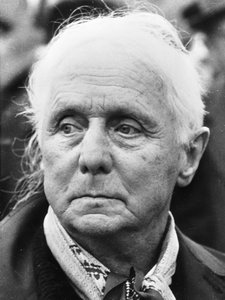
ダダイズムとシュルレアリスムを牽引したマックス・エルンスト。コラージュ、フロッタージュなど革新的な技法を用い、夢幻的な風景や心理世界を描き出しました。20世紀美術に多大な影響を与えた芸術家です。
§ 3解説
El Beso: A Surrealist Embrace of Chance
Max Ernst’s “El Beso,” or “The Kiss,” stands as a cornerstone of Dadaism and Surrealism, embodying the movement's rebellious spirit against rational thought and embracing the subconscious realm. Created in 1927 during Ernst’s passionate relationship with Marie-Berthe Aurenche, this oil on canvas masterpiece transcends mere depiction; it’s an exploration of desire, connection, and the transformative power of accidental beauty.
- Composition & Style: The painting's stark simplicity is deceptive. Against a muted blue backdrop, Ernst presents two figures intertwined—a man and a woman—whose forms are deliberately distorted, prioritizing expressive gesture over anatomical accuracy. This stylistic choice aligns perfectly with Dada’s rejection of traditional artistic conventions.
- Technique: Ernst pioneered innovative techniques like frottage (rubbing textured surfaces onto canvas) and graftage (layering materials to create complex textures), which he meticulously applied to achieve a palpable sense of materiality. The use of a coordinate grid system—a deliberate intervention against chance—highlights the artist’s conscious control over seemingly random elements.
- Historical Context: Dada emerged in Zurich during World War I as a reaction to the horrors of conflict and the perceived moral bankruptcy of bourgeois society. Artists like Ernst sought to dismantle established artistic hierarchies and challenge viewers' perceptions of reality, prioritizing emotion and intuition over logic.
Symbolism permeates “El Beso.” The figures’ ambiguous facial expressions convey a profound disconnection—a mirroring of the anxieties surrounding intimacy during this turbulent period. Yet, their embrace embodies an irresistible yearning for connection, reflecting Ernst's own fascination with psychoanalysis and his belief in the subconscious as a source of artistic inspiration. The bird motif—present in other Ernst paintings—represents freedom and aspiration, subtly reinforcing the painting’s overarching theme.
Beyond its formal innovations, “El Beso” resonates deeply with viewers due to its exploration of fundamental human emotions. It captures the vulnerability inherent in romantic relationships and celebrates the beauty found within unexpected juxtapositions. Ernst's masterful manipulation of texture and color contributes to an atmosphere of tension and uncertainty—a hallmark of Surrealist art that continues to captivate audiences today.
- Further Exploration: Interested in delving deeper into Ernst’s artistic vision? Explore his other celebrated works, including “The Garden of France” and “Approaching Puberty or The Pleiads,” which showcase similar stylistic approaches and thematic concerns. Discover more about Ernst's life and influence on the Surrealist movement at AllPaintingsStore.com for a high-quality reproduction of this iconic artwork.
Q&A
「El beso」の色同士は、どのように調和していますか?
「El beso」の色彩の調和は、Discordant Paletteと表現されます。
マックス・エルンスト作「El beso」 の技法(画材)は何ですか?
マックス・エルンストは、「El beso」においてAcrylic On Canvasの技法を用いています。この技法が、原画の素材としての性質を決定づけています。
マックス・エルンスト作「El beso」において、芸術運動と時代はどのように交差しているのでしょうか?
マックス・エルンスト作「El beso」は、作者の近代美術という時代における、Surrealist Artのムーブメントに位置づけられます。


 プリント版に切り替え


 いずれかの辺が105 cm(約41インチ)を超えるアートワークまたは複製画の場合、フレームは分解されたキットの状態でお届けいたします。この方法は、輸送中の破損を防ぎ、安全に配送するために採用しております。


