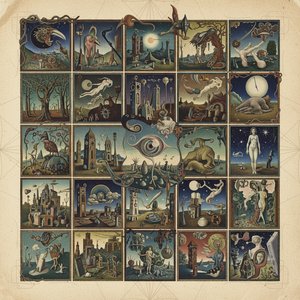
Oil On Panel.

§ 1カタログデータ

本作品の著作権について
このページに掲載されている作品は著作権法によって保護されており、当社の許可なく同一の複製物を制作または販売することは法律で禁じられています。この保護は、以下のような国際条約に基づき執行されます。 ベルヌ条約 および、以下の条項に定められたものを含む各国の法律により、 米国著作権法 第17編。
敬意を払った法的な代替手段として、私たちはオリジナルにインスピレーションを与えられた、カスタムの手描きアートワークを提供しています。私たちの熟練したプロのアーティストは、元の作品が持つスタイル、情緒、そして芸術的なエッセンスを注意深く研究し、独自の創作物でありながら、同じ感性を呼び起こすような、新しくユニークな作品を作り上げます。
この手法は、著作権で保護された作品の複製や複写を伴わないため、著作権法に完全に準拠しています。これは単なる模倣ではなく、創造的な再解釈です。元の作品からインスピレーションを受けつつも、それとは異なる、全く新しい絵画を生み出すものです。
 詳しく読む
詳しく読む§ 2抽象
作品解説
アーティストの略歴
ダダイズムとシュルレアリスムを牽引したマックス・エルンスト。コラージュ、フロッタージュなど革新的な技法を用い、夢幻的な風景や心理世界を描き出しました。20世紀美術に多大な影響を与えた芸術家です。
§ 3解説
Le Mont Chauve: A Surreal Echo of Instinct and Observation
Max Ernst’s “Le Mont Chauve,” painted in 1955, stands as a quintessential example of Surrealist exploration—a visual poem grappling with the subconscious mind and challenging conventional perceptions of reality. More than just an image, it's a carefully constructed invitation into a realm where logic yields to dreamlike association, mirroring Ernst’s lifelong fascination with psychoanalysis and his desire to liberate art from rational constraints.
- Composition & Technique: The painting utilizes a strikingly simple yet profoundly impactful format—a circular field dominated by black hues punctuated by an incandescent red eye. Ernst achieved this ethereal effect through layering oil paints, employing a technique known as “frottage,” where he rubbed textured surfaces onto canvas to transfer their patterns and impressions into the artwork. This method reflects Ernst’s belief that artistic inspiration could be found in unexpected sources—the accidental marks of nature itself.
- Symbolism & Subject Matter: The central eye serves as a potent symbol, representing vigilance, awareness, and perhaps even an unsettling gaze directed inward. It's positioned atop a stylized mountain – “Le Mont Chauve” – which evokes images of solitude, contemplation, and the primal forces of nature. Ernst’s deliberate ambiguity invites viewers to project their own anxieties and desires onto this enigmatic landscape.
- Color Palette & Line Work: Despite its darkness, "Le Mont Chauve" incorporates subtle shades of blue within textured areas, hinting at hidden depths and suggesting a connection to the unconscious. Thin, radiating lines emanate from the eye, creating a dynamic visual rhythm that contrasts sharply with the stillness implied by the mountain form. These fractured lines underscore the Surrealist preoccupation with fragmentation and disruption—a rejection of linear perspective in favor of conveying emotional intensity.
- Historical Context: Ernst’s work emerged during the height of Surrealism's influence, a movement born from Dada nihilism and fueled by Freudian psychoanalysis. Artists like Ernst sought to bypass conscious thought and tap into primal instincts—a reaction against the horrors of World War I and a yearning for liberation from societal norms. “Le Mont Chauve” embodies this spirit of rebellion and experimentation.
- Emotional Impact: Viewing "Le Mont Chauve" evokes feelings of unease, mystery, and contemplation. The stark contrast between darkness and light—the eye’s luminous brilliance against the mountain's muted tones—creates a palpable tension that compels viewers to confront their own inner landscapes. It’s a piece designed not merely to depict but to provoke – an enduring testament to Ernst’s artistic vision.
Q&A
「Le mont chauve」の推奨されるプリント方法について教えてください。サイズや向きはどうするのが良いでしょうか?
「Le mont chauve」の推奨プリント設定は、サイズLarge、向きLandscapeです。
「Le mont chauve」の著作権の状態は、なぜこのようなものになっているのでしょうか?
マックス・エルンストによる「Le mont chauve」は著作権の保護対象ですです。著作権の保護期間は作者の没年から起算されますが、マックス・エルンストは1976年に亡くなっています。
マックス・エルンスト作「Le mont chauve」のコントラストはどの程度強いですか?
マックス・エルンスト作「Le mont chauve」のコントラストレベルはSereneです。


 プリント版に切り替え


 いずれかの辺が105 cm(約41インチ)を超えるアートワークまたは複製画の場合、フレームは分解されたキットの状態でお届けいたします。この方法は、輸送中の破損を防ぎ、安全に配送するために採用しております。