

Acrylic On Canvas.

§ 1Catalogue data

本作品の著作権について
このページに掲載されている作品は著作権法によって保護されており、当社の許可なく同一の複製物を制作または販売することは法律で禁じられています。この保護は、以下のような国際条約に基づき執行されます。 ベルヌ条約 および、以下の条項に定められたものを含む各国の法律により、 米国著作権法 第17編。
敬意を払った法的な代替手段として、私たちはオリジナルにインスピレーションを与えられた、カスタムの手描きアートワークを提供しています。私たちの熟練したプロのアーティストは、元の作品が持つスタイル、情緒、そして芸術的なエッセンスを注意深く研究し、独自の創作物でありながら、同じ感性を呼び起こすような、新しくユニークな作品を作り上げます。
この手法は、著作権で保護された作品の複製や複写を伴わないため、著作権法に完全に準拠しています。これは単なる模倣ではなく、創造的な再解釈です。元の作品からインスピレーションを受けつつも、それとは異なる、全く新しい絵画を生み出すものです。
 詳しく読む
詳しく読む§ 2Abstract
作品解説
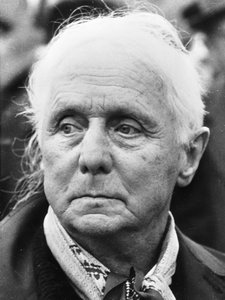
アーティストの略歴
ダダイズムとシュルレアリスムを牽引したマックス・エルンスト。コラージュ、フロッタージュなど革新的な技法を用い、夢幻的な風景や心理世界を描き出しました。20世紀美術に多大な影響を与えた芸術家です。
§ 3Commentary
Oiseau vert: A Surrealist Echo of Childhood Loss
Max Ernst’s “Oiseau vert,” a deceptively simple etching and aquatint depicting a bird adorned with spiraling patterns, transcends mere visual representation. It embodies the core tenets of Surrealism—a deliberate confrontation with the subconscious mind and an exploration of dreamlike imagery—and stands as a poignant testament to Ernst’s personal history.
- Subject Matter: The bird itself is rendered in shades of blue, immediately establishing a connection to themes of serenity and contemplation. However, its dominant feature – the intricate spiral design – isn't merely decorative; it symbolizes regeneration, cyclical time, and the transformative power of imagination. Spirals are found throughout Ernst’s oeuvre, representing journeys inward and outward, mirroring the artist’s own intellectual quest.
- Style & Technique: Ernst’s masterful execution showcases his signature frottage technique—a method he discovered serendipitously during a rainy afternoon in Pornic, France. As documented in Bukowskis auction records, Ernst described how rubbing a pencil across textured surfaces like burlap or wood unlocked unexpected visual impulses. This process deliberately disrupts conventional artistic conventions, prioritizing spontaneity and intuition over meticulous planning.
- Historical Context: Created in 1965, “Oiseau vert” emerged from the fertile ground of Surrealism’s heyday—a movement born out of Dada’s rejection of rationality during World War I. Ernst's exploration of psychological landscapes aligns perfectly with Surrealist artists like Yves Tanguy and Urs Fischer who sought to capture the elusive realm of dreams and unconscious desires.
- Symbolism: The bird, as a recurring motif in Ernst’s work, represents freedom—a concept deeply intertwined with his childhood experience. Ernst recounted how the death of his beloved parrot Hornebom coincided with his sister Loni's birth, triggering an imaginative leap where he envisioned Loni as Hornebom’s reincarnation. This narrative informs Lop Lop, Ernst’s alter ego – a mystical bird embodying liberation born from mortality—and underscores the artist’s preoccupation with confronting existential anxieties.
- Emotional Impact: “Oiseau vert” invites viewers to contemplate themes of loss and rebirth. The delicate etching captures a moment of quiet contemplation, mirroring Ernst's own introspective approach to artmaking. Its understated beauty speaks volumes about the power of Surrealism to evoke profound emotional responses and stimulate imaginative thought.
Further exploration into Max Ernst’s artistic journey can be found on Max Ernst’s Artist Database, where you can discover his groundbreaking contributions to Surrealism and Dada. Also, consider examining similar artworks by Ruan Zude (Ruan Zude’s Artist Database) or Urs Fischer (Yves Tanguy & Urs Fischer Artists Database), artists who share Ernst's fascination with dreamlike imagery and unconventional techniques.
Q&A
その色彩を考慮すると、"Oiseau vert" はどの場所に飾るのがおすすめですか?
Neutralsの色調を考慮すると、「Oiseau vert」はLiving Roomに最適です。
マックス・エルンスト作「Oiseau vert」のレプリカは、どのような用途におすすめですか?
マックス・エルンスト作「Oiseau vert」の複製画は、Accentに最適です。作品の主題、情緒、そして色彩に基づいたおすすめの活用方法です。
マックス・エルンスト作「Oiseau vert」に関する統計情報はどこで確認できますか?
「Oiseau vert」には、専用の閲覧統計ページがあります。このページでは、その作品およびアーティストの他の作品の月間訪問者数を、国別・言語別の内訳とともにグラフで表示しています。


 プリント版に切り替え


 いずれかの辺が105 cm(約41インチ)を超えるアートワークまたは複製画の場合、フレームは分解されたキットの状態でお届けいたします。この方法は、輸送中の破損を防ぎ、安全に配送するために採用しております。


