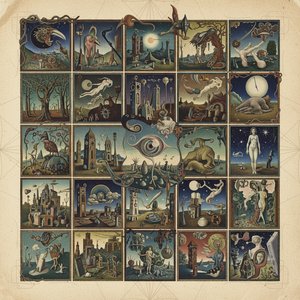
Acrylic On Canvas.

§ 1カタログデータ


本作品の著作権について
このページに掲載されている作品は著作権法によって保護されており、当社の許可なく同一の複製物を制作または販売することは法律で禁じられています。この保護は、以下のような国際条約に基づき執行されます。 ベルヌ条約 および、以下の条項に定められたものを含む各国の法律により、 米国著作権法 第17編。
敬意を払った法的な代替手段として、私たちはオリジナルにインスピレーションを与えられた、カスタムの手描きアートワークを提供しています。私たちの熟練したプロのアーティストは、元の作品が持つスタイル、情緒、そして芸術的なエッセンスを注意深く研究し、独自の創作物でありながら、同じ感性を呼び起こすような、新しくユニークな作品を作り上げます。
この手法は、著作権で保護された作品の複製や複写を伴わないため、著作権法に完全に準拠しています。これは単なる模倣ではなく、創造的な再解釈です。元の作品からインスピレーションを受けつつも、それとは異なる、全く新しい絵画を生み出すものです。
 詳しく読む
詳しく読む§ 2抽象
作品解説
Max Ernst’s ‘Paysage avec lune’ presents a captivating surreal moonscape with a vibrant yellow background and intriguing celestial elements, showcasing the artist's pioneering approach to 20th-century art. Discover or own this iconic Max Ernst reproduction.
アーティストの略歴
ダダイズムとシュルレアリスムを牽引したマックス・エルンスト。コラージュ、フロッタージュなど革新的な技法を用い、夢幻的な風景や心理世界を描き出しました。20世紀美術に多大な影響を与えた芸術家です。
§ 3解説
A Lunar Reverie: Max Ernst's *Paysage avec lune*
Max Ernst’s *Paysage avec lune* (Landscape with Moon) is more than just a depiction of a celestial body; it’s an immersion into the subconscious, a testament to the artist’s lifelong fascination with dreams, mythology, and the unsettling beauty of the surreal. Painted during a period of intense experimentation and intellectual exploration, this work embodies Ernst's core artistic philosophy – a deliberate rejection of representational accuracy in favor of evoking emotional responses and challenging conventional perceptions.
- Subject Matter: The painting centers around a dramatically rendered moon dominating the composition. Its large size immediately commands attention, drawing the viewer into its luminous presence. Surrounding it are subtle details – smaller forms in the sky that could be interpreted as distant landscapes or simply symbolic elements, adding to the work’s enigmatic quality.
- Style and Technique: Ernst's technique is characterized by a deliberate layering of textures and colors, achieved through a combination of oil paint and possibly collage elements (a common practice within his oeuvre). The application of paint is loose and expressive, prioritizing atmosphere and mood over precise detail. This approach aligns with the burgeoning Surrealist movement’s rejection of academic realism.
Echoes of the Surreal: Historical Context
Created by Max Ernst between 1924 and 1930, *Paysage avec lune* emerged from a pivotal moment in art history – the rise of Surrealism. Following World War I, artists like Ernst were profoundly affected by the trauma and disillusionment of the era. They sought to bypass rational thought and tap into the realm of dreams, the unconscious, and the irrational as a means of expressing profound anxieties and exploring alternative realities. Ernst’s exploration of automatism – a technique involving spontaneous creation without conscious control – was central to his process, allowing him to access deeper layers of meaning within his work.
- Influence of Mythology: The moon itself holds significant symbolic weight across cultures and throughout history. Often associated with femininity, intuition, and the cyclical nature of time, its presence in Ernst’s painting suggests a connection to primal forces and archetypal narratives.
- Connection to Dadaism: Ernst's early work was deeply influenced by Dadaism, characterized by its anti-rational stance and embrace of absurdity. This influence is evident in the painting’s unsettling atmosphere and rejection of traditional artistic conventions.
Decoding the Symbolism
*Paysage avec lune* resists straightforward interpretation, inviting viewers to engage with its ambiguities and explore their own subconscious associations. The moon's glow can be seen as a beacon of hope or a symbol of isolation, depending on one’s perspective. The smaller forms in the sky may represent fragmented memories, distorted landscapes, or even glimpses into other dimensions. Ernst deliberately avoided providing definitive answers, believing that art should provoke thought and emotion rather than offer concrete explanations.
- Color Palette: The dominant use of yellow – a color often associated with light, optimism, and the sun – contrasts sharply with the darkness of the night sky, creating a dynamic tension within the composition.
- Compositional Balance: Despite its dreamlike quality, the painting maintains a sense of balance, with the moon positioned centrally to draw the viewer’s eye while the surrounding elements contribute to the overall harmony.
Emotional Impact and Artistic Value
*Paysage avec lune* possesses a captivating power that transcends its simple subject matter. It evokes a profound sense of mystery, solitude, and wonder – qualities that have resonated with viewers for decades. As a work by Max Ernst, a key figure in the development of 20th-century art, this painting represents a significant contribution to the Surrealist movement and offers a unique window into the artist’s complex inner world. A hand-painted reproduction allows you to bring this evocative piece into your own space, transforming it into a focal point for contemplation and artistic appreciation.
Q&A
「Paysage avec lune」の作者は誰ですか?
「Paysage avec lune」の作者はマックス・エルンストとされています。
マックス・エルンスト作「Paysage avec lune」において、芸術運動と時代はどのように交差しているのでしょうか?
「Paysage avec lune」はSurrealist Explorationの様式に属しており、その作者は近代美術の時代に活動していました。
「Paysage avec lune」には、マックス・エルンストの他の作品群とどのような共通点が見られますか?
「Paysage avec lune」はマックス・エルンストによるSurrealist Explorationの作品であり、その描かれたテーマにはsurrealist ideas, psychological themes, german expressionism, dada influence, disillusionment, societal critique, recurring motifs, visual puzzlesが含まれます。


 プリント版に切り替え


 いずれかの辺が105 cm(約41インチ)を超えるアートワークまたは複製画の場合、フレームは分解されたキットの状態でお届けいたします。この方法は、輸送中の破損を防ぎ、安全に配送するために採用しております。