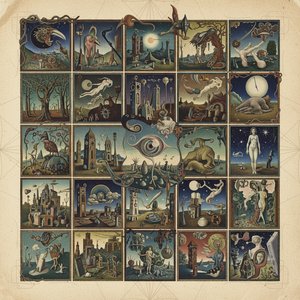
Acrylic On Canvas.

§ 1カタログデータ


本作品の著作権について
このページに掲載されている作品は著作権法によって保護されており、当社の許可なく同一の複製物を制作または販売することは法律で禁じられています。この保護は、以下のような国際条約に基づき執行されます。 ベルヌ条約 および、以下の条項に定められたものを含む各国の法律により、 米国著作権法 第17編。
敬意を払った法的な代替手段として、私たちはオリジナルにインスピレーションを与えられた、カスタムの手描きアートワークを提供しています。私たちの熟練したプロのアーティストは、元の作品が持つスタイル、情緒、そして芸術的なエッセンスを注意深く研究し、独自の創作物でありながら、同じ感性を呼び起こすような、新しくユニークな作品を作り上げます。
この手法は、著作権で保護された作品の複製や複写を伴わないため、著作権法に完全に準拠しています。これは単なる模倣ではなく、創造的な再解釈です。元の作品からインスピレーションを受けつつも、それとは異なる、全く新しい絵画を生み出すものです。
 詳しく読む
詳しく読む§ 2抽象
作品解説
Explore Max Ernst's surreal 'untitled (2948)' – a captivating collage blending natural elements and dreamlike imagery, showcasing his pioneering Dada & Surrealist style.
アーティストの略歴
ダダイズムとシュルレアリスムを牽引したマックス・エルンスト。コラージュ、フロッタージュなど革新的な技法を用い、夢幻的な風景や心理世界を描き出しました。20世紀美術に多大な影響を与えた芸術家です。
§ 3解説
A Surrealist Echo: Unpacking the Layers of “Untitled (2948)”
Max Ernst's "Untitled (2948)" isn’t merely a depiction of natural elements; it’s an invitation into a meticulously constructed dreamscape. Born in 1891 and profoundly shaped by his experiences during World War I, Ernst was a master of disrupting the familiar, employing techniques like frottage and collage to excavate the subconscious. This particular work, rendered in stark black and white, exemplifies this approach perfectly – a deliberate fragmentation of reality that speaks volumes about the artist’s anxieties and fascination with the irrational.
The photograph itself possesses an aged quality, hinting at its origins as a reproduction or archival image. Handwritten notations, likely signatures and dates, are subtly integrated into the composition, grounding the surreal elements within a tangible history. A rectangular label, visible in the lower center, further contextualizes the piece, suggesting it was intended for exhibition or perhaps a private collection. The deliberate choice of monochrome amplifies the impact of each element, forcing the viewer to engage with texture and form on a deeper level.
Deconstructing the Composition: A Stage for the Unconscious
The arrangement within the frame feels remarkably staged, yet simultaneously organic. Ernst doesn’t simply present us with a collection of objects; he orchestrates them into a carefully balanced tableau. The curve of the shell, a recurring motif in Ernst's work, provides a dynamic counterpoint to the linear precision of the leaves and bark. This juxtaposition immediately establishes a sense of tension – a harmonious discord that is characteristic of Surrealist aesthetics.
The layering of these elements creates a shallow depth of field, pulling the viewer into the scene without offering easy escape. There’s no dramatic perspective or illusionistic space; instead, Ernst favors a flattened composition, emphasizing the tactile qualities of each surface and inviting close inspection. The deliberate clustering of objects in the center draws our attention to their interplay, suggesting that the entire arrangement is a symbolic puzzle waiting to be solved.
Symbolism Woven into Texture: Echoes of the Dream
The textures themselves are crucial to understanding the work’s emotional resonance. The smooth, polished surface of the shell contrasts sharply with the rough, fibrous texture of the bark and the delicate veins of the leaves. These tactile differences aren't merely descriptive; they represent a symbolic dialogue between the natural world and the artist’s internal landscape. The fragmented nature of the composition – broken shells, scattered leaves – mirrors the fractured state of consciousness often explored in Surrealist art.
Furthermore, the arrangement evokes a sense of displacement and mystery. The objects are presented without context or narrative, prompting viewers to project their own interpretations onto the scene. The combination of familiar natural forms rendered in an unexpected manner taps into primal anxieties about the unknown – a feeling that is powerfully conveyed through Ernst’s masterful manipulation of form and texture.
A Legacy of Innovation: Max Ernst and the Surrealist Movement
Max Ernst's influence on 20th-century art is undeniable. His pioneering techniques, particularly frottage and collage, revolutionized painting and paved the way for subsequent generations of artists. Born in Brühl, Germany, in 1891, Ernst’s early life was marked by a rebellious spirit and a deep engagement with philosophical ideas. He spent time studying at the University of Bonn, where he developed an interest in psychology and art history – influences that would profoundly shape his artistic vision.
His involvement with Dada and Surrealism cemented his place as a key figure in the avant-garde movement. Ernst’s work consistently challenged conventional notions of beauty and representation, exploring themes of memory, desire, and the subconscious. “Untitled (2948)” stands as a testament to his enduring legacy – a captivating example of Surrealist artistry that continues to resonate with viewers today.
Q&A
「untitled (2948)」は、全体的に明るい印象ですか、それとも暗い印象ですか?
「untitled (2948)」の全体的な明るさはbrilliantで、輝度はLuminousです。
マックス・エルンスト作「untitled (2948)」の複製画には、どのサイズがおすすめですか?
マックス・エルンスト作「untitled (2948)」 の推奨プリントサイズは Medium です。
マックス・エルンスト作「untitled (2948)」の全体的な雰囲気はどのようなものですか?
マックス・エルンスト作「untitled (2948)」の全体的なムードはMysticalです。このムードは、作品が醸し出す全体的な雰囲気。


 プリント版に切り替え


 いずれかの辺が105 cm(約41インチ)を超えるアートワークまたは複製画の場合、フレームは分解されたキットの状態でお届けいたします。この方法は、輸送中の破損を防ぎ、安全に配送するために採用しております。