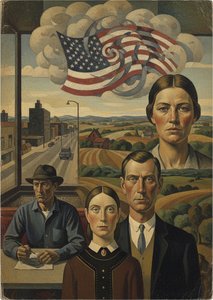
1978. Acrylic On Canvas. 全米日系人博物館.
![[Untitled] by 大久保 ミネ, hand-painted oil painting on linen](/media/artworks/images-full/30/dc/30dc3237ae833bb1edee8fdb34914e73.jpg)
§ 1Catalogue data


著作権保護について
このページに掲載されている作品は著作権法によって保護されており、当社の許可なく同一の複製物を制作または販売することは法律で禁じられています。この保護は、以下のような国際条約に基づき執行されます。 ベルヌ条約 および、以下の条項に定められたものを含む各国の法律により、 米国著作権法 第17編。
敬意を払った法的な代替手段として、私たちはオリジナルにインスピレーションを与えられた、カスタムの手描きアートワークを提供しています。私たちの熟練したプロのアーティストは、元の作品が持つスタイル、情緒、そして芸術的なエッセンスを注意深く研究し、独自の創作物でありながら、同じ感性を呼び起こすような、新しくユニークな作品を作り上げます。
この手法は、著作権で保護された作品の複製や複写を伴わないため、著作権法に完全に準拠しています。これは単なる模倣ではなく、創造的な再解釈です。元の作品からインスピレーションを受けつつも、それとは異なる、全く新しい絵画を生み出すものです。
 詳細を見る
詳細を見る§ 2Abstract
コレクション詳細
Explore Miné Okubo's poignant 'Untitled' painting from 1974, reflecting resilience during WWII internment through vibrant colors and symbolic floral forms. A powerful testament to artistic expression.
アーティストプロフィール
大久保美根は、第二次世界大戦中の日系アメリカ人強制収容所での生活を、痛切な描写で記録したことで知られるアメリカの芸術家です。彼女の力強いグラフィック・ノベル『市民13660』は、不当な扱いと困難に立ち向かう強さを伝える、極めて重要な証言となっています。
§ 3Commentary
A Silent Testimony: Miné Okubo’s “Untitled” (1974)
Within the vibrant tapestry of Miné Okubo's oeuvre lies "Untitled," a 1974 painting that transcends mere representation, becoming instead a potent distillation of trauma and resilience. More than just an image, it is a carefully constructed visual narrative born from the crucible of World War II internment, offering a rare glimpse into the lived experience of Japanese Americans unjustly confined during a dark chapter in American history. The piece’s immediate impact lies in its bold color palette – a dynamic interplay of fiery reds and yellows dominating the central figure, contrasted against the calming blues of her bed and the distant expanse of the sky. This deliberate use of color isn't merely decorative; it speaks to both the intensity of emotion experienced within the camps and the yearning for freedom and tranquility.
- Style & Technique: Okubo’s style leans heavily into abstraction, a conscious choice reflecting the disorientation and emotional upheaval she endured. The figure is rendered with simplified forms, almost schematic in its execution, yet imbued with an undeniable sense of presence. Thick brushstrokes and layered paint create texture and depth, mirroring the complexities of her memories.
- Composition: The composition itself is carefully considered. The seated woman occupies a central position, drawing the viewer’s eye immediately. The sailboats in the background – a recurring motif in Okubo's work – symbolize both escape and the enduring connection to nature, hinting at a longing for a life beyond confinement.
Echoes of Internment: Historical Context
To fully appreciate “Untitled,” one must understand its genesis within the context of Japanese American internment. Following Executive Order 9066 in 1942, over 120,000 people of Japanese descent – including citizens and legal residents – were forcibly removed from their homes along the West Coast and incarcerated in camps like Tanforan and Topaz. Okubo’s experience within these camps is meticulously documented in her seminal graphic novel, *Citizen 13660*, a work that serves as both personal memoir and powerful indictment of government injustice. “Untitled” can be seen as an excerpt from this larger narrative, capturing a fleeting moment of quiet contemplation amidst the chaos and uncertainty of wartime.
The painting’s creation occurred in 1974, decades after her release from the camps. This considerable distance allows Okubo to revisit her memories with a degree of emotional detachment, yet the underlying trauma remains palpable. The work isn't about depicting the horrors of internment directly; instead, it focuses on conveying the internal landscape – the feelings of isolation, longing, and ultimately, resilience – that shaped her experience.
Symbolism & Inner Landscape
Beyond its immediate visual impact, “Untitled” is rich in symbolic meaning. The woman’s posture—seated, relaxed yet alert—suggests a quiet strength and an ability to find moments of peace within a profoundly unsettling environment. Her gaze, though not explicitly rendered, feels directed outward, perhaps towards the distant horizon or simply inward, reflecting on her past. The use of red and yellow – colors often associated with warmth, energy, and passion – could represent both the intensity of her emotions and the enduring spirit of hope.
The inclusion of the sailboats is particularly significant. They are not merely decorative elements; they symbolize a yearning for freedom, travel, and connection to the wider world. For those who experienced internment, the sea represented an escape route, a promise of a life beyond the confines of the camps. It’s a poignant reminder of what was lost and a testament to the enduring human desire for liberation.
A Legacy of Witness: Emotional Resonance
"Untitled" is more than just a painting; it's a powerful act of remembrance. Miné Okubo’s decision to transform her traumatic experiences into art serves as an extraordinary example of resilience and artistic courage. The work invites viewers to contemplate the complexities of identity, justice, and the enduring power of the human spirit. Its quiet intensity and evocative symbolism resonate deeply, prompting reflection on themes of displacement, loss, and ultimately, hope. Reproductions of this piece offer a tangible connection to Okubo’s story—a chance to honor her legacy as a vital chronicler of American history and a testament to the transformative power of art.
よくあるご質問
Abstract Expressionismにおいて、「[Untitled]」はどの程度人気がありますか?
Abstract Expressionism運動において、「[Untitled]」はRecognizedの知名度を誇ります。
大久保 ミネ作「[Untitled]」は、どの芸術運動に属していますか?
大久保 ミネ作「[Untitled]」はAbstract Expressionismに属しています。このムーブメントは、本作の様式的な背景を形作るものです。
Abstract Expressionismの作品「[Untitled]」は、どの国のものですか?
Abstract Expressionismの作品「[Untitled]」は、アメリカ合衆国出身のアーティストによって制作されました。


![[untitled] — 大久保 ミネ, Abstract Expressionism](/media/artworks/images-thumb/89/26/89261e2fd69db06389a5f7945b0df282.jpg)


 プリント版に切り替え


 いずれかの辺が105 cm(約41インチ)を超えるアートワークまたは複製画の場合、フレームは分解されたキットの状態でお届けいたします。この方法は、輸送中の破損を防ぎ、安全に配送するために採用しております。