

Acrylic On Canvas.

§ 1Catalogue data

§ 2Abstract
コレクション詳細
Discover 'untitled (2863)' by Paul Cézanne, a provocative Post-Impressionist work depicting a birth scene. Explore the artist's revolutionary style and lasting impact on modern art.
 続きを読む
続きを読む
アーティストプロフィール
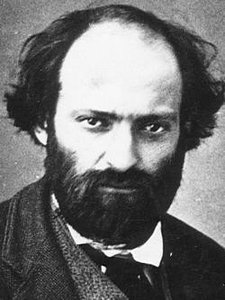
セザンヌは印象派とキュビスムを繋ぐ革新的画家。リンゴや風景、バスティユなどを独自の視点で捉え、後の芸術に多大な影響を与えました。幾何学的な形態と色彩の探求が特徴です。
§ 3Commentary
A Glimpse into the Intimacy of Life: Decoding Cézanne’s Untitled Birth Scene
Paul Cézanne, a name synonymous with the dawn of modern art, often explored landscapes and still lifes that quietly revolutionized painting. However, nestled within his extensive oeuvre is a powerfully emotive work – currently known only as “untitled (2863)” – depicting a scene of childbirth. This painting, while lacking specific documentation regarding its creation or intended audience, offers a raw and intimate glimpse into the human experience, rendered with Cézanne’s signature blend of observation and formal innovation. The composition immediately draws the viewer into a private moment: a woman lies upon a bed, her posture suggesting the culmination of labor. The presence of three other figures – two standing observers and one seated attendant holding a bowl, perhaps for sustenance or cleansing – creates a sense of both support and voyeurism. The inclusion of everyday objects like an orange and banana on the left side, alongside a bottle near the center, grounds the scene in domestic reality, contrasting sharply with the monumental event unfolding.
The Weight of Tradition and the Seeds of Modernity
To understand this painting within Cézanne’s broader artistic journey is to appreciate his complex relationship with art history. Born into a relatively prosperous family in Aix-en-Provence, he initially pursued legal studies before dedicating himself fully to painting. His early work was influenced by Romanticism and the Barbizon school, but it was his engagement with Impressionism – and subsequent departure from its fleeting effects – that truly defined his path. While “untitled (2863)” doesn’t exhibit the broken brushstrokes typically associated with Impressionism, it shares a commitment to capturing a specific moment in time. However, Cézanne moves beyond mere visual impression; he is concerned with underlying structure and form. The figures aren't idealized or romanticized as they might have been in earlier historical paintings of similar subjects. Instead, they are rendered with a deliberate solidity, foreshadowing the geometric explorations that would become central to Cubism. The painting’s muted yet vibrant color palette, characteristic of Cézanne’s mature style, further enhances this sense of grounded realism.
Symbolism and Emotional Resonance
The symbolism within “untitled (2863)” is subtle but potent. Birth, universally recognized as a symbol of renewal and life's cyclical nature, is presented not with celebratory grandeur, but with an unflinching honesty. The fruit – the orange and banana – could be interpreted as symbols of fertility and nourishment, while the bowl held by the attendant suggests care and support. However, Cézanne avoids overt symbolism, allowing the emotional weight of the scene to emerge from the raw depiction of human vulnerability. The painting doesn’t offer easy answers or sentimental comfort; it presents a moment of profound physical and emotional intensity. The woman's exposed position, while potentially unsettling to some viewers, is not presented as scandalous but rather as an honest portrayal of the birthing process. It evokes feelings of empathy, awe, and perhaps even a touch of discomfort – emotions that are integral to the experience of witnessing new life enter the world.
A Legacy of Influence
Though often celebrated for his still lifes and landscapes, “untitled (2863)” reveals another facet of Cézanne’s artistic genius: his ability to tackle challenging subjects with both sensitivity and formal rigor. This painting, like much of his work, served as a crucial stepping stone towards the development of modern art. His emphasis on underlying structure, his exploration of color and form, and his rejection of traditional perspective paved the way for movements like Cubism, profoundly influencing artists such as Pablo Picasso and Henri Matisse who famously declared Cézanne “the father of us all.” A reproduction of this powerful work offers not only a beautiful addition to any art collection but also a connection to a pivotal moment in art history – a testament to Cézanne’s enduring legacy and his unwavering commitment to capturing the essence of human experience.
よくあるご質問
セザンヌ作「untitled (2863)」の彩度や色の強さはどのような感じでしょうか?
セザンヌ作「untitled (2863)」は、Subtle Colorの彩度とBalancedの強烈な色彩で記録されています。
「untitled (2863)」を特徴づける配色と主役となる色は何でしょうか?
セザンヌ作「untitled (2863)」の色彩表現:Putty (#d2d1b9)を基調とした、Earthyなパレット。
Bridged Impressionism and Cubism.の作品「untitled (2863)」は、どのような感情を伝えていますか?
Bridged Impressionism and Cubism.のムーブメントにおいて、「untitled (2863)」はReflectiveなトーンで描かれています。


 プリント版に切り替え


 いずれかの辺が105 cm(約41インチ)を超えるアートワークまたは複製画の場合、フレームは分解されたキットの状態でお届けいたします。この方法は、輸送中の破損を防ぎ、安全に配送するために採用しております。


