

Acrylic On Canvas.

§ 1カタログデータ

§ 2抽象
作品解説
Explore Raphael’s ‘Studies for the Transfiguration,’ a stunning black & white drawing showcasing Renaissance realism & anatomical detail. A masterpiece of drypoint technique.
 詳細を表示
詳細を表示
§ 3解説
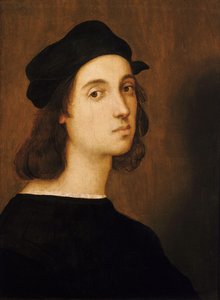
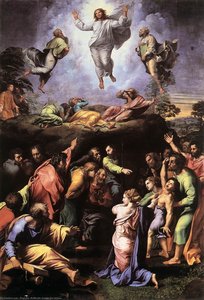
A Study in Contemplation: Raphael’s ‘Studies for the Transfiguration’
The Ashmolean Museum’s exquisite reproduction of Raphael’s “Studies for the Transfiguration” offers a glimpse into the mind of one of Renaissance art’s most celebrated masters. This deceptively simple drawing—a black and white depiction of two male heads in profile—holds within it layers of artistic brilliance and profound symbolic resonance, reflecting the intellectual fervor of Urbino during Raphael's formative years. It wasn’t merely a sketch; it was an exercise in observation, a distillation of anatomical understanding, and a testament to Raphael’s unparalleled draughtsmanship.- Subject Matter: The drawing presents two male faces—likely idealized representations—in repose, their hands outstretched in a gesture that invites interpretation. Scholars believe this posture embodies supplication or perhaps an attempt to grasp something beyond the visible realm – mirroring themes prevalent in Christian iconography of the time.
- Style & Technique: Raphael’s style is unmistakably Renaissance portraiture, prioritizing realism and meticulous detail. The drawing exemplifies drypoint etching—a technique demanding precision and patience—where a needle meticulously scratches lines into paper to create tonal variations and define contours. This method captures the subtle nuances of skin texture and musculature with remarkable accuracy.
- Historical Context: Created during Raphael’s early career, “Studies for the Transfiguration” speaks to the humanist ideals championed by Federico Montefeltro—Raphael's patron—who fostered an environment conducive to artistic innovation and scholarly pursuits. It stands as a cornerstone of Florentine Renaissance art, demonstrating the influence of Leonardo da Vinci’s anatomical studies on Raphael’s approach.
- Symbolism: The gesture of the hands is particularly significant. Often interpreted as representing faith or aspiration, it underscores the spiritual dimension inherent in Raphael's artistic vision—a reflection of the humanist values that underpinned the Renaissance spirit.
Technical Mastery: The Art of Drypoint
The drawing's remarkable tonal range and textural depth are achieved through masterful use of drypoint etching—a technique favored by Raphael for its ability to produce subtle shading effects. Unlike engraving, which relies on incising lines into metal plates, drypoint involves scratching a needle directly onto paper, creating tiny pits that hold ink. This process yields an unparalleled level of tonal gradation and allows for the creation of incredibly delicate textures – mirroring the meticulous observation evident in Raphael’s preparatory sketches.Emotional Resonance: A Window Into Raphael's Mind
“Studies for the Transfiguration” transcends mere technical proficiency; it embodies Raphael’s contemplative spirit—a reflection of Urbino’s intellectual climate and his engagement with humanist ideals. The drawing invites viewers to contemplate the human form, mirroring the Renaissance fascination with anatomy and striving for idealized beauty. It serves as a poignant reminder of Raphael's dedication to capturing not just appearances but also inner states of mind – an achievement that cements its place among the greatest drawings of all time.Q&A
ラファエロ作「Studies for the Transfiguration」の向き(横長・縦長)はどちらですか?
ラファエロ作「Studies for the Transfiguration」はPortrait形式です。この形式は、構図の比率を表しています。
ラファエロ作「Studies for the Transfiguration」 の主要な色調は何ですか?
ラファエロ作「Studies for the Transfiguration」には、Golden Yellow Rangeの色調が全体に広がっています。
ラファエロ作「Studies for the Transfiguration」の構図を主導している色は何ですか?
「Studies for the Transfiguration」の中で最も際立っている色はPutty (#e8dcd0)です。作品の主色(メインカラー)を知ることは、インテリアとのコーディネートを考える際に役立ちます。


 プリント版に切り替え


 いずれかの辺が105 cm(約41インチ)を超えるアートワークまたは複製画の場合、フレームは分解されたキットの状態でお届けいたします。この方法は、輸送中の破損を防ぎ、安全に配送するために採用しております。




![ヴァチカン宮殿の部屋:ボルゴの火(細部) [01]](/media/artworks/images-thumb/76/f6/76f6220ba33c4e1d9790e47ace4c7148.jpg)



