

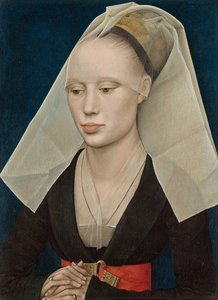
1445. Acrylic On Canvas, 101.0 x 70.0 cm. Kunsthistorisches Museum.

§ 1カタログデータ

- 101.0 x 70.0 cm


§ 2抽象
作品解説
 詳細を表示
詳細を表示
アーティストの略歴
15世紀のフランドル絵画を代表するロギエ・ファン・デル・ウェーデン。情熱的な宗教画や『哀悼』など、感情豊かな表現と写実的な描写が特徴です。北ネ덜란드美術に多大な影響を与えた巨匠。
§ 3解説
Rogier van der Weyden’s Crucifixion Triptych: A Masterpiece of Emotion and Detail
The Crucifixion Triptych, created around 1443–1445 by Rogier van der Weyden, stands as a cornerstone of Early Netherlandish painting—a testament to artistic innovation and profound emotional depth. More than just a depiction of biblical scripture, it’s an immersive experience for the viewer, meticulously crafted with unparalleled attention to detail and imbued with symbolic resonance that continues to captivate scholars and collectors alike.
- Subject Matter: The central panel portrays Jesus Christ crucified on the cross, surrounded by Mary Magdalene and Saint John the Evangelist. This iconic scene captures the pivotal moment of Christian faith—sacrifice and redemption—and embodies the spiritual fervor characteristic of its time.
- Style & Technique: Van der Weyden’s style exemplifies the Northern Renaissance aesthetic, prioritizing realism and psychological insight over idealized beauty. He employs a masterful glazing technique – layering thin translucent layers of pigment over thicker undercoats – to achieve luminous colors and textures that convey an astonishing sense of physicality. Notice particularly the subtle gradations of light and shadow, creating a palpable atmosphere of sorrow and contemplation.
- Historical Context: Painted during the Burgundian Renaissance in Brussels, this triptych reflects the burgeoning humanist spirit of the era alongside deep religious devotion. Philip the Good commissioned it, demonstrating the importance of patronage in fostering artistic excellence and disseminating theological ideas. The painting’s meticulous depiction aligns with a broader trend toward portraying biblical narratives with heightened accuracy and emotional intensity.
- Symbolism: Every element within the triptych speaks to profound symbolic meaning. Mary Magdalene's gesture of compassion—pressing her hand against Christ’s foot—represents comfort and solace in times of suffering. The Virgin Mary’s serene expression embodies maternal piety and unwavering faith. Veronica’s cloth bearing Jesus’s image symbolizes divine grace and humility, highlighting the transformative power of faith.
- Emotional Impact: Viewing this artwork evokes a powerful response – one of sorrowful empathy and spiritual contemplation. Van der Weyden's masterful rendering captures the anguish of grief and conveys an overwhelming sense of solemn reverence. The luminous colors and textured surfaces heighten the emotional impact, transporting the viewer into the heart of the biblical narrative and prompting reflection on themes of sacrifice, compassion, and divine love.
The Crucifixion Triptych remains a remarkable achievement in artistic history—a timeless masterpiece that continues to inspire awe and admiration for its technical brilliance and profound emotional expression.
Q&A
ロジェ・ヴァン・デル・ウェイデン作「Crucifixion Triptych (central panel)」に似た作品はどこで見つけることができますか?
ロジェ・ヴァン・デル・ウェイデン作「Crucifixion Triptych (central panel)」に似た作品は、こちらの関連作品ページでご覧いただけます。
「Crucifixion Triptych (central panel)」の形状とサイズを教えてください。
「Crucifixion Triptych (central panel)」の形式はPortrait、サイズは101 x 70 cmです。これらの情報は、複製を作成する際の参考になります。
「Crucifixion Triptych (central panel)」は、拡張現実(AR)でのプレビューに対応していますか?
ロジェ・ヴァン・デル・ウェイデン作「Crucifixion Triptych (central panel)」のARで見るページでは、対応端末を使用して拡張現実(AR)により、作品をご自身の空間に表示してご確認いただけます。


 プリント版に切り替え


 いずれかの辺が105 cm(約41インチ)を超えるアートワークまたは複製画の場合、フレームは分解されたキットの状態でお届けいたします。この方法は、輸送中の破損を防ぎ、安全に配送するために採用しております。


