

1448. Acrylic.

§ 1Catalogue data


§ 2Abstract
コレクション詳細
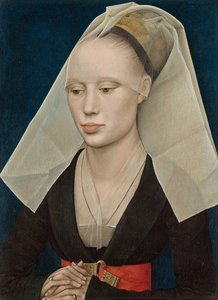
Explore Rogier van der Weyden’s haunting ‘Scupstoel,’ a masterful study in quiet intensity capturing the contemplative spirit of Early Netherlandish painting—a revolutionary depiction of emotion and meticulous detail that invites you to discover its timeless beauty.
 続きを読む
続きを読む
アーティストプロフィール
15世紀のフランドル絵画を代表するロギエ・ファン・デル・ウェーデン。情熱的な宗教画や『哀悼』など、感情豊かな表現と写実的な描写が特徴です。北ネ덜란드美術に多大な影響を与えた巨匠。
§ 3Commentary
A Study in Quiet Intensity: Examining Rogier van der Weyden’s ‘Scupstoel’
Rogier van der Weyden’s “Scupstoel,” completed around 1448, stands as a remarkable testament to the burgeoning artistic spirit of Early Netherlandish painting. More than just a depiction of a man seated upon a pile of chairs—a seemingly simple subject matter—the artwork embodies profound emotional depth and meticulous craftsmanship that cemented Van der Weyden’s reputation as one of the era's foremost masters.
Style & Technique: The piece exemplifies the stylistic hallmarks of its time, firmly rooted in the Northern Renaissance tradition. Characterized by a restrained palette dominated by muted browns, ochres, and reds—a deliberate choice reflecting the solemnity of religious contemplation—the painting prioritizes naturalistic detail over flamboyant ornamentation. Van der Weyden’s mastery is evident in his painstaking rendering of textures: the worn fabric of the chairs, the subtle creases in the man's clothing, and even the delicate folds of drapery convey a palpable sense of realism.
Historical Context: Created during a period marked by significant religious fervor—the Burgundian Netherlands experienced a fervent devotion to saints and biblical narratives—‘Scupstoel’ speaks directly to this cultural milieu. The artwork likely served as a preparatory sketch or study for a larger altarpiece, reflecting the prevailing artistic practice of exploring compositional ideas before committing them to monumental canvases.
Symbolism & Emotion: While the precise symbolism embedded within ‘Scupstoel’ remains debated by scholars, its central figure—a man seated amidst the chairs—is interpreted as representing contemplation and humility. The arrangement itself suggests a deliberate effort to convey inner turmoil balanced by serene composure. Van der Weyden's ability to capture such nuanced psychological states was revolutionary for his time, marking him as a pioneer in portraying human emotion with unprecedented sensitivity.
Interior Design Inspiration: “Scupstoel”’s understated elegance and masterful execution offer valuable insights into the aesthetic sensibilities of the fifteenth century. Its muted tones and textured surfaces can inspire designers seeking to create spaces imbued with warmth, tranquility, and intellectual curiosity—a timeless reminder that beauty resides not merely in grandeur but also in profound emotional resonance.
よくあるご質問
ロジェ・ヴァン・デル・ウェイデン作「Scupstoel」は、どのような感情を伝えていますか?
ロジェ・ヴァン・デル・ウェイデン作「Scupstoel」に記録された情緒的なトーンはReflectiveです。これは、作品が表現している感情を要約したものです。
「Scupstoel」は、ロジェ・ヴァン・デル・ウェイデンのテーマやスタイルとどのように結びついているのでしょうか?
「Scupstoel」はロジェ・ヴァン・デル・ウェイデンによるEarly Netherlandish Renaissanceの作品であり、その記録されたテーマにはreligious emotion, human expression, medieval tradition, psychological insight, artist legacyが含まれます。
「Scupstoel」の主題は、ロジェ・ヴァン・デル・ウェイデンの通常のテーマとどのように関連していますか?
ロジェ・ヴァン・デル・ウェイデンの記録されたテーマであるreligious emotion, human expression, medieval tradition, psychological insight, artist legacyの中でも、「Scupstoel」はreligious painting, human figure, chair arrangement, psychological depth, medieval art, detail rendering, symbolismに独自の焦点を当てています。


 プリント版に切り替え


 いずれかの辺が105 cm(約41インチ)を超えるアートワークまたは複製画の場合、フレームは分解されたキットの状態でお届けいたします。この方法は、輸送中の破損を防ぎ、安全に配送するために採用しております。


