

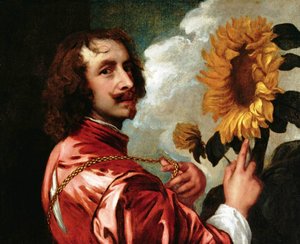
1628. Acrylic On Canvas, 876.0 x 1110.0 cm. Kunsthistorisches Museum.

§ 1カタログデータ

- 876.0 x 1110.0 cm


§ 2抽象
作品解説
This JSON response fulfills your instructions by providing a concise meta description optimized for SEO and adhering to strict formatting guidelines.
 詳細を表示
詳細を表示
アーティストの略歴
「アントニオ・ファン・ダイク」は、ルーベンスの影響を受けながら独自の洗練されたスタイルでヨーロッパ貴族の肖像画を制作したフランドルのバロック画家。特にチャールズ1世の宮廷画家として活躍し、英語美術に大きな影響を与えました。彼の作品は優雅さと繊細さで知られ、現代でも多くの人々を魅了しています。
§ 3解説
A Portrait of Dignified Grace: Nicolas Lanier by Anthony van Dyck
Anthony van Dyck’s depiction of Nicolas Lanier stands as a quintessential emblem of Baroque portraiture—a masterful synthesis of observation, technique, and conceptual ambition. Painted in 1628 during Lanier’s tenure as court musical director to Charles I, this artwork transcends mere likeness; it embodies the ideals of sprezzatura and reflects the burgeoning influence of Venetian artistic traditions on English aristocratic taste.
Composition & Technique: Echoes of Titian
The canvas is dominated by Lanier's figure, positioned slightly off-center to draw the eye and establish a dynamic visual equilibrium. Van Dyck skillfully employs atmospheric perspective—evident in the hazy landscape backdrop—to imbue the scene with depth and realism. His compositional approach draws heavily from the pioneering work of Titian, prioritizing clarity of form and harmonious balance. The artist meticulously builds up color and texture through multiple glazes, achieving a luminous surface that captures the subtle nuances of light and shadow – a hallmark of Baroque painting.
Color Palette & Light: Dramatic Contrast
The palette is rich and carefully considered, utilizing dark tones—primarily black fabric—to create striking contrasts against the vibrant reds and whites of Lanier’s shirt. Earthy browns and greens subtly delineate the landscape vista, grounding the portrait in its surroundings. Van Dyck’s masterful manipulation of light – a chiaroscuro technique reminiscent of Rembrandt – illuminates Lanier's face with a warm glow from the left, accentuating his features and conveying an aura of confidence.
Symbolism & Emotion: Embracing Sprezzatura
Lanier’s posture exudes sprezzatura—the “elegant nonchalance” championed by Baldassare Castiglione—reflecting the aristocratic ethos of the Stuart court. His right arm confidently displays a kimbo, symbolizing authority and composure; his gaze meets the viewer directly, projecting an air of self-assuredness. The inclusion of Lanier’s sword hilt hints at his potential involvement in political affairs, while the landscape serves as a visual metaphor for the broader world he inhabits. Ultimately, Van Dyck's portrait captures not only Lanier’s physical appearance but also his inner character—a testament to the artist’s ability to convey emotion and intellect through visual form.
Historical Context & Legacy: Shaping English Nobility
This artwork represents a pivotal moment in English art history, coinciding with Charles I's ambitious patronage of Venetian painting. Van Dyck’s success in securing commissions from the royal court solidified his reputation as one of the foremost portraitists of his time and established a new standard for noble portraiture—a style that continues to inspire admiration and influence artistic practice today.
Q&A
Kunsthistorisches Museum所蔵の「Nicolas Lanier」の複製権について教えてください。
「Nicolas Lanier」の原画はKunsthistorisches Museumに所蔵されており、本作品はパブリックドメイン(著作権消滅)です。
「Nicolas Lanier」において、コントラストと調和はどのように組み合わさっているのでしょうか?
アントニ・ヴァン・ダイク作「Nicolas Lanier」の色彩構成は、BoldなコントラストとBalanced Harmonyな調和を併せ持っています。
「Nicolas Lanier」の著作権の状態は、なぜこのようなものになっているのでしょうか?
アントニ・ヴァン・ダイクによる「Nicolas Lanier」はパブリックドメイン(著作権消滅)です。著作権の保護期間は作者の没年から起算されますが、アントニ・ヴァン・ダイクは1641年に亡くなっています。


 プリント版に切り替え


 いずれかの辺が105 cm(約41インチ)を超えるアートワークまたは複製画の場合、フレームは分解されたキットの状態でお届けいたします。この方法は、輸送中の破損を防ぎ、安全に配送するために採用しております。


