100日間返金保証 世界中へ送料無料
449,564作品一覧 30,613アーティスト一覧 4,660美術館・博物館 32言語設定
Catalogue entry

George Arnold

Oil On Canvas.

Fig. 1. ウィリアム・ホガース, George Arnold. Shown as the reproduction you are specifying: , .

§ 1Catalogue data

§ 2Abstract

作品解説

William Hogarth’s "George Arnold": A stunning 18th-century oil portrait of an elderly gentleman. Admire its classical style, detailed realism & symbolic elements.

アーティストの略歴

18世紀イギリスの画家ウィリアム・ホガース。風刺と社会批判に満ちた「ロンドン随筆」シリーズや「堕落者の道」、「放蕩者の道」など、物語性豊かな作品で知られます。庶民の生活を生き生きと描き出し、後の芸術家や風刺画家に多大な影響を与えました。

§ 3Commentary

A Glimpse into Eighteenth-Century Grandeur

In the quiet, commanding presence of William Hogarth’s “George Arnold,” viewers are transported back to the structured elegance of 18th-century Britain. This captivating portrait presents an elderly gentleman in a three-quarter view, a composition that immediately establishes a sense of profound dignity and social importance. As one gazes upon the subject, his direct and steady eyes seem to invite a silent dialogue across the centuries, bridging the gap between the modern observer and the historical elite. The formal, seated pose is not merely a matter of convenience but a deliberate artistic choice intended to convey the weight of character and the stability of status.

The painting serves as a masterful window into the societal landscape of Hogarth’s era. While the artist is globally celebrated for his biting satirical series such as A Harlot’s Progress and A Rake’s Progress, this particular work reveals his exceptional prowess in classical portraiture. Here, there is no mockery, only a meticulous dedication to capturing the essence of a prominent individual. Through this piece, we encounter the refined atmosphere of a period defined by both burgeoning ambition and rigid social hierarchies, making it an exquisite centerpiece for any collection focused on historical realism.

Mastery of Light, Texture, and Symbolism

Technically, “George Arnold” is a triumph of the classical oil painting tradition. Hogarth employs a sophisticated layering of brushstrokes to achieve a remarkably smooth texture, lending a lifelike quality to the subject’s skin and the heavy fabrics of his attire. The use of directional lighting is particularly striking; it illuminates the man's face and upper body with a soft brilliance, while deep, intentional shadows wrap around the contours of his form to create a powerful sense of three-dimensionality. This interplay of light and dark—often referred to as chiaroscuro—is set against a dark, indistinct background, which serves to isolate the subject and focus all emotional energy upon his expression.

Every element of the subject's wardrobe acts as a silent narrator of his wealth and position. The rich blue coat, paired with an ornate waistcoat and delicate ruffled cuffs, speaks to the meticulous fashions of the 1700s. Even the powdered wig, a hallmark of the period’s upper class, functions as a potent symbol of social standing. For the discerning interior designer or collector, these details offer more than mere decoration; they provide a sense of structured elegance and historical depth. The painting does not just depict a man; it depicts an era of prestige, making it an ideal choice for creating a sophisticated, scholarly, or classically inspired atmosphere in any grand room.

An Emotional Resonance for the Modern Collector

Beyond the technical brilliance and the historical fascination, there is a profound emotional layer to this portrait that continues to resonate today. While the primary impression is one of composure and strength, a subtle hint of melancholy lingers within the subject's gaze—a reflection of the inevitable passage of time and the weight of a life lived through significant history. This complexity allows the artwork to transcend simple decoration, offering a contemplative presence that can anchor a room with both gravity and grace.

For those seeking to adorn their spaces with high-quality reproductions, “George Arnold” offers an unparalleled opportunity to possess a piece of British art history. Whether placed in a private study, a formal dining hall, or a curated gallery space, the painting’s ability to evoke both intimacy and grandeur makes it a timeless investment. It is a work that invites repeated viewing, revealing new nuances of texture, light, and human emotion with every encounter.

Q&A

「George Arnold」は、どのような感情を連想させますか?

ウィリアム・ホガース作「George Arnold」に表現されている情緒的なトーンはReflectiveです。これは、作品が描き出す感情を要約したものです。

ウィリアム・ホガース作「George Arnold」はどのような種類の作品ですか?

カタログ内では、ウィリアム・ホガース作「George Arnold」はWallArtとして分類されています。このカテゴリーを活用することで、類似の作品を探すことができます。

ウィリアム・ホガース作「George Arnold」の画像は自由に複製できますか?

ウィリアム・ホガース作「George Arnold」 の著作権について:本作品はパブリックドメイン(著作権消滅)です。これにより、画像の複製が自由に行えるかどうかが決まります。
§ 4The artist

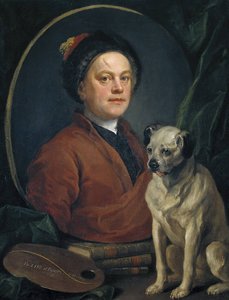
ウィリアム・ホガース

ウィリアム・ホガース

1697 - 1764, イギリス

Quick facts about ウィリアム・ホガース

  • Artistic Movement Or Style: 諷刺、写実主義
  • Artists Or Movements Influenced By This Artist: ['ジェイムズ・ギルレイ']
  • Artists Who Influenced This Artist:
    • ピエートル・デ・フーク
    • ジョナサン・スウィフト
  • Date Of Birth: 1697年
  • Date Of Death: 1764年
  • Full Name: William Hogarth
  • Nationality: イギリス人
  • Notable Artworks:
    • ヘイラートの進行記
    • ラースペルスの進行記
    • 結婚式
  • Place Of Birth: ロンドン、イギリス

作家プロフィール

A London Life in Ink and Paint: The World of William Hogarth

William Hogarth, born into the bustling heart of 18th-century London in 1697, was more than just an artist; he was a visual historian, a keen observer of human nature, and a satirical commentator on the societal currents of his age. His life story is inextricably linked to the very fabric of England during a period of significant transformation – its burgeoning ambitions, underlying anxieties, and pervasive hypocrisies all finding potent expression in his remarkably detailed and often biting works. The son of a struggling Latin schoolmaster, Hogarth’s early experiences instilled within him both a love for learning and a sharp awareness of social inequalities, a foundation that would prove crucial to shaping his artistic vision. Initially apprenticed to an engraver, he quickly demonstrated a talent extending beyond mere technical skill; he possessed an innate ability to observe the nuances of human behavior and translate them into compelling visual narratives. However, he chafed against the constraints of traditional engraving, seeking a more expressive outlet for his burgeoning creativity. This led him to studies at both St Martin’s Lane Academy and under Sir James Thornhill, where he honed his skills in painting and composition, absorbing influences that would later inform his unique style.

The Birth of Modern Moral Subjects

Hogarth's true innovation lay not simply *what* he painted, but *how*. He pioneered what he termed “modern moral subjects” – series of pictures designed to tell a story, often imbued with a strong satirical edge. These weren’t isolated portraits or landscapes; they were visual novels unfolding before the viewer’s eyes, offering pointed commentary on contemporary society. A Harlot's Progress, created in 1742, stands as perhaps his most famous example. This series of six paintings meticulously follows the tragic downfall of Mary, a young woman arriving in London full of hope but quickly succumbing to the temptations and dangers of city life. Each scene is rendered with painstaking detail, filled with symbolic elements that reveal the moral decay surrounding her. The figures are portrayed with unflinching realism, capturing every gesture and expression with remarkable accuracy—a deliberate departure from idealized depictions prevalent at the time. Similarly, A Rake's Progress, begun in 1733, charts the reckless decline of Tom Rakewell, a man who squanders his inheritance on gambling, debauchery, and ultimately, madness. These weren’t merely cautionary tales; they were unflinching portraits of a society grappling with issues of class, morality, and social mobility. Hogarth's genius resided in his ability to elevate everyday scenes – the bustling streets of London, the opulent interiors of the wealthy, the squalid lives of the poor – into works of art that resonated deeply with his audience. He didn’t shy away from depicting the harsh realities of life, presenting them with a blend of humor and pathos that forced viewers to confront uncomfortable truths about themselves and their society.

Technique and Influences: A Synthesis of Styles

Hogarth's artistic style was a unique amalgamation of diverse influences. He greatly admired the realism and narrative detail found in the works of Dutch genre painters like Pieter de Hooch, evident in his meticulous depictions of interiors and everyday life. The expressive dynamism of Rembrandt’s portraits also captivated him—a testament to his ability to convey emotion through subtle shading and composition. Furthermore, Hogarth was profoundly impacted by the writings of Jonathan Swift and Henry Fielding, whose satirical wit served as inspiration for his own social observations. He believed that art should not merely be beautiful but should also serve a moral purpose, challenging viewers to think critically about the world around them and their place within it. His technique was characterized by a masterful use of line and shading, particularly evident in his engravings. He employed a distinctive cross-hatching technique—a painstaking process of intersecting lines—that created depth and texture, bringing his scenes to life with remarkable clarity. This method allowed him to capture the nuances of light and shadow, conveying atmosphere and emotion with unparalleled precision. Beyond visual art, Hogarth’s intellectual curiosity extended into various fields, fostering a broader understanding of human psychology and social dynamics.

Major Achievements and Legacy

Hogarth achieved considerable renown during his lifetime for his groundbreaking series of paintings and engravings—most notably *A Harlot's Progress* and *A Rake's Progress*. These works established him as a pioneer of “modern moral subjects,” transforming the genre of visual storytelling and influencing generations of artists to come. His unflinching portrayal of social ills—corruption, poverty, hypocrisy—challenged prevailing societal norms and provoked considerable debate among intellectuals and critics alike. He is widely regarded as one of the most important figures in British art history, celebrated for his innovative style, his masterful technique, and his enduring contribution to the visual arts. As Charles Lamb famously remarked, Hogarth’s images were “like books to be read rather than merely looked at”—a testament to their narrative power and intellectual depth. His legacy continues to inspire artists today who strive to engage audiences with thought-provoking stories that illuminate both beauty and truth. He demonstrated that art could serve as a catalyst for social reform, prompting viewers to confront uncomfortable realities and fostering a deeper appreciation for human dignity.

Historical Significance: Reflecting the Enlightenment

Hogarth’s artistic output embodies the spirit of the Enlightenment—a period characterized by intellectual curiosity, rational inquiry, and a commitment to humanist values. He rejected idealized representations of virtue and beauty, favoring instead unflinching depictions of human flaws and failings. This bold stance reflected the broader cultural shift toward questioning traditional authority and embracing empirical observation—a hallmark of the era’s philosophical advancements. By confronting viewers with uncomfortable truths about society, Hogarth challenged them to engage in critical reflection and strive for moral improvement—values that resonated deeply with Enlightenment thinkers and contributed to shaping the intellectual landscape of his time. His work stands as a powerful reminder that art can serve as a vehicle for social commentary and inspire transformative change—a legacy that continues to endure centuries after his death.

§ 5Comparanda

§ 6Questions

作品詳細

  • title: George Arnold
  • medium: Oil on canvas
  • artist: William Hogarth

アート・クイズ

各質問の正解は1つのみです。

設問 1:
Based on the description, what does the subject's attire suggest about his social standing?
設問 2:
What artistic period is this painting most likely from, based on its style and details?
設問 3:
The description notes the use of directional lighting. What effect does this have on the painting?
設問 4:
Which technique is primarily used to create a sense of realism in this portrait?

§ 7Cite this entry

AllPaintingsStore.com, “ウィリアム・ホガース, George Arnold”, https://allpaintingsstore.com/ja/art/william-hogarth-george-arnold-8BWM96-en/ (accessed 6 10月 2026).

§ 8The reproduction

手描き油彩複製画

当社のアーティストが、ご希望のサイズと額縁に合わせてキャンバスに手描きで制作する、オーダーメイドの油彩画です。 ( プリント版に切り替え デジタル画像販売へ切り替え)

It is specified on the order sheet in the margin; the present state of that sheet reads as follows.

George Arnold

再現技法

複製画サイズ一覧

-

至高の熟練アーティスト

より細部までこだわった表現、洗練された技術、そして十分な制作時間

-

複製画用フレーム

-

-

いずれかの辺が105 cm(約41インチ)を超えるアートワークまたは複製画の場合、フレームは分解されたキットの状態でお届けいたします。この方法は、輸送中の破損を防ぎ、安全に配送するために採用しております。

組み立てには専門知識が必要です(DIY用製品ではありません)。
本キットは、経験豊富なプロの額装師が、木工用ボンド(別売)、キャンバス用プライヤー、およびボンドの乾燥時に桟を直角に保持するためのクランプを使用して、組み立ておよびキャンバスの張り作業を行う必要があります。不適切な組み立てやキャンバスの張りの不均一は、作品に永久的な損傷を与える恐れがあり、弊社の保証対象外となります。

  • すべての無垢材のパーツが含まれており、組み立てに最適なサイズに正確にカットされています。

  • 付属のネジを使用し、角の接合部には別途木工用ボンドをご用意ください(ボンドは付属しておりません)。ボンドは額装業者様にてご手配をお願いいたします。

  • プロ仕様の道具が必要ですが、キットには含まれていません:キャンバス用ストレッチングプライヤー(テンショナー)、および接着剤が乾燥するまで木枠を直角に固定するためのクランプ。

重要:
コーナーの接合部には木工用ボンドが必要です。また、ボンドが完全に乾くまでクランプでバーを固定しておく必要があり、組み立てたフレームにキャンバスを張るにはキャンバス用ストレッチングプライヤーが必要となります。これらの道具はキットに含まれておりません。このサイズをご注文される前に、経験豊富なプロの額装師(フライマー)の手配をお願いいたします。

キャプション

-

-

保護用ワニス

光沢ワニス(色彩を鮮やかに引き立て、光や湿気から保護します)

-

作品をカスタマイズ

カスタマイズの例:顔をお客様の写真に差し替える、ペットを追加する(例:猫を犬に変更)、背景に隠しメッセージを入れる、背景の風景や要素を変更する。

-

お急ぎ便

世界中への配送()は、通常の5週間ではなく、3〜4週間でお届けいたします。(3 11月)。品質には一切の妥協を許しません。

-

お急ぎ便

世界中への配送()は、5週間ほどでお届けします。(10 11月)。

込み

合計金額

¥ 40689

Included with every order

  • 世界中へ無料エクスプレス配送
  • 高品質なリネンキャンバス
  • 配送時完全保険付
  • 関税・輸入税の払い戻し保証
  • 真の色彩再現に関する保証
  • 100日間返品保証(製造上の欠陥がある場合のみ)
  • 100% 全額返金保証
  • まとめ買い割引のご案内
Order sheet