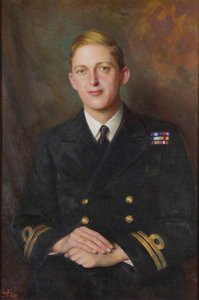
Edward Caruana Dingli: A Maltese Master of Portraiture and Observation
Born in Valletta, Malta, on August 10, 1876, Edward Caruana Dingli’s artistic journey was a testament to both innate talent and relentless dedication. The son of Major Raffaele Caruana Dingli and Martha née Garrone, he inherited an appreciation for art from his family's background in the visual arts – a lineage that profoundly shaped his own path. His early education at the Lyceum, coupled with instruction from Giuseppe Calleja, laid the foundation for his distinctive style, one characterized by a blend of realism, romantic idealism, and a keen eye for capturing the essence of his subjects.
Initially destined for a military career, Dingli’s artistic inclinations ultimately prevailed. He joined the Royal Malta Regiment of Militia at the age of 19, but soon transitioned to the Royal Malta Artillery, eventually retiring in 1913. This shift marked a pivotal moment – a conscious decision to dedicate his life entirely to painting, a bold move that initially faced resistance from his family. Despite this initial skepticism, Dingli’s talent quickly gained recognition within the Maltese art scene, earning him the moniker “painter du jour” and establishing him as a prominent figure.
Early Career and Recognition
Dingli's early career was marked by both commissions and exhibitions. He began exhibiting caricatures at the Royal Malta Regiment of Militia’s mess gallery in 1897, receiving a bronze medal and an honorable mention at the *Esposizione Industriale Maltese*. A significant milestone arrived in 1897 when he was commissioned to illustrate Historical Records of the Maltese Corps in the British Army by Major Alexander George Chesney. This project not only showcased his artistic abilities but also provided wider exposure for his work, solidifying his reputation.
His dedication to capturing the spirit of Malta extended beyond formal commissions. He frequently depicted everyday life – farmers, women in their traditional *faldettas* (hooded cloaks), and even beggars – offering a poignant glimpse into Maltese society. This commitment to portraying ordinary people, coupled with his technical skill, distinguished him from many of his contemporaries.
European Studies and Artistic Evolution
Recognizing the need for further artistic development, Dingli embarked on a transformative journey through Europe in the early 1920s. He enrolled at the British Academy in Rome, immersing himself in the works of Old Masters and absorbing new techniques. This period proved crucial to his evolution as an artist; he began to incorporate elements of Impressionism, particularly the *impasto* technique employed by John Singer Sargent, adding a dynamic energy and vibrancy to his paintings.
His time in Rome also led to significant recognition, including an offer for a prestigious position as Honorary Secretary at the Academy. Upon returning to Malta, he continued to refine his style, blending his established realism with the innovative approaches he had encountered abroad. He was appointed Supervisor of the Malta Government School of Art and Director of the School in 1929, leaving a lasting legacy on Maltese art education.
Royal Patronage and Historical Significance
Dingli’s artistic achievements culminated in numerous accolades and honors, including being knighted as a Knight of Grace of the Venerable Order of St. John of Jerusalem. Notably, he was commissioned to paint King George V *a viva* – a rare honor bestowed upon select artists. This portrait, lauded by the King himself for its immediacy and life-like quality, cemented his place among Malta’s most celebrated painters.
Beyond his individual accomplishments, Dingli played a vital role in fostering the Maltese art community. He founded the Malta Art Amateur Association (M.A.A.A.) in 1908, providing a platform for local artists to exhibit and share their work. His paintings are now held in important collections, including those of The Phoenicia Hotel, reflecting his enduring influence on Maltese art history. Edward Caruana Dingli died on May 9, 1950, leaving behind a rich artistic legacy that continues to inspire and captivate audiences today.
アーティストへのQ&A
特定の技法によるEdward Caruna Dingliの全作品を探すには、どうすればよいですか?
技法別一覧では、Edward Caruna Dingliの作品を技法別にまとめています。
Edward Caruna Dingliの作品一覧はすべて確認できますか?
本サイトにおけるEdward Caruna Dingliのすべての作品は、アーティストの全作品一覧ページからご覧いただけます。
Edward Caruna Dingliの作品を、芸術運動(ムーブメント)別に閲覧することはできますか?
Edward Caruna Dingliが属する各ムーブメント(芸術運動)は、作品をムーブメント別に分類したアーティストの全ムーブメントページでご覧いただけます。